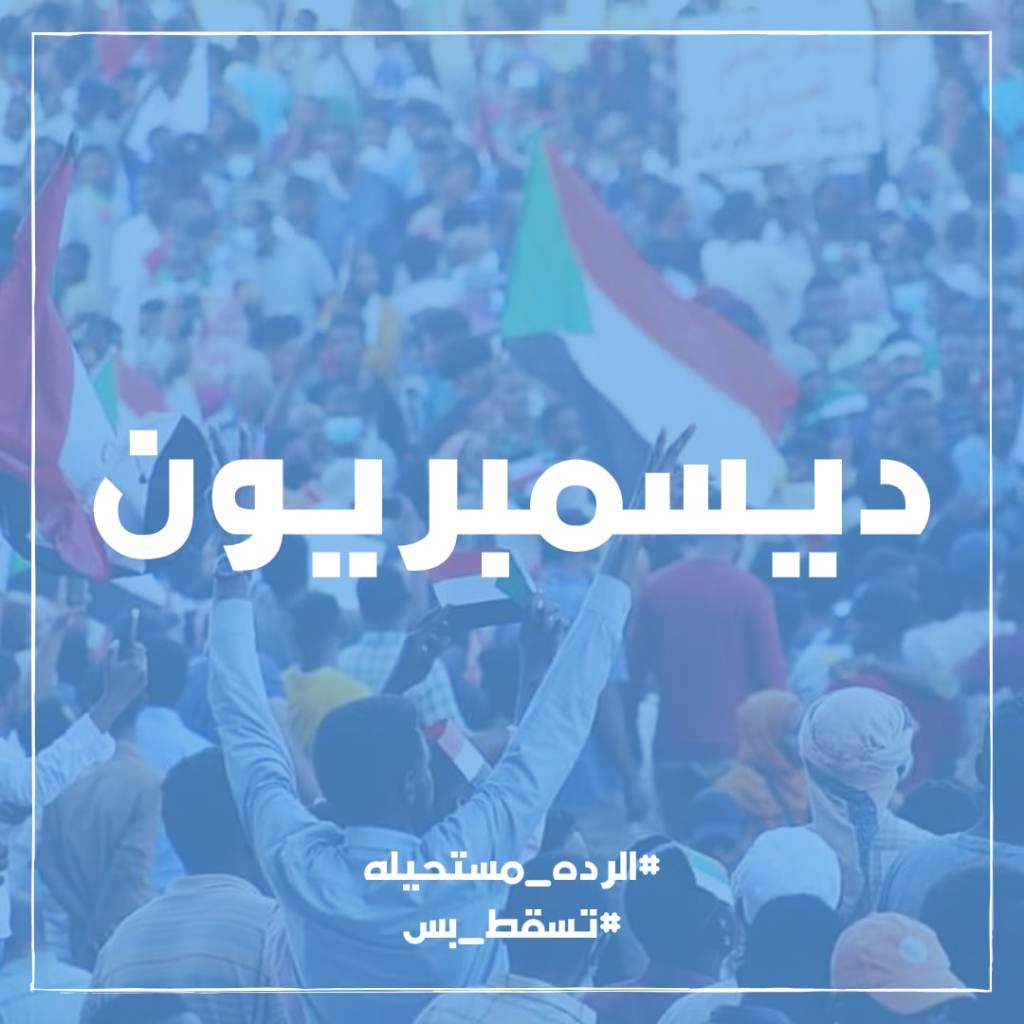
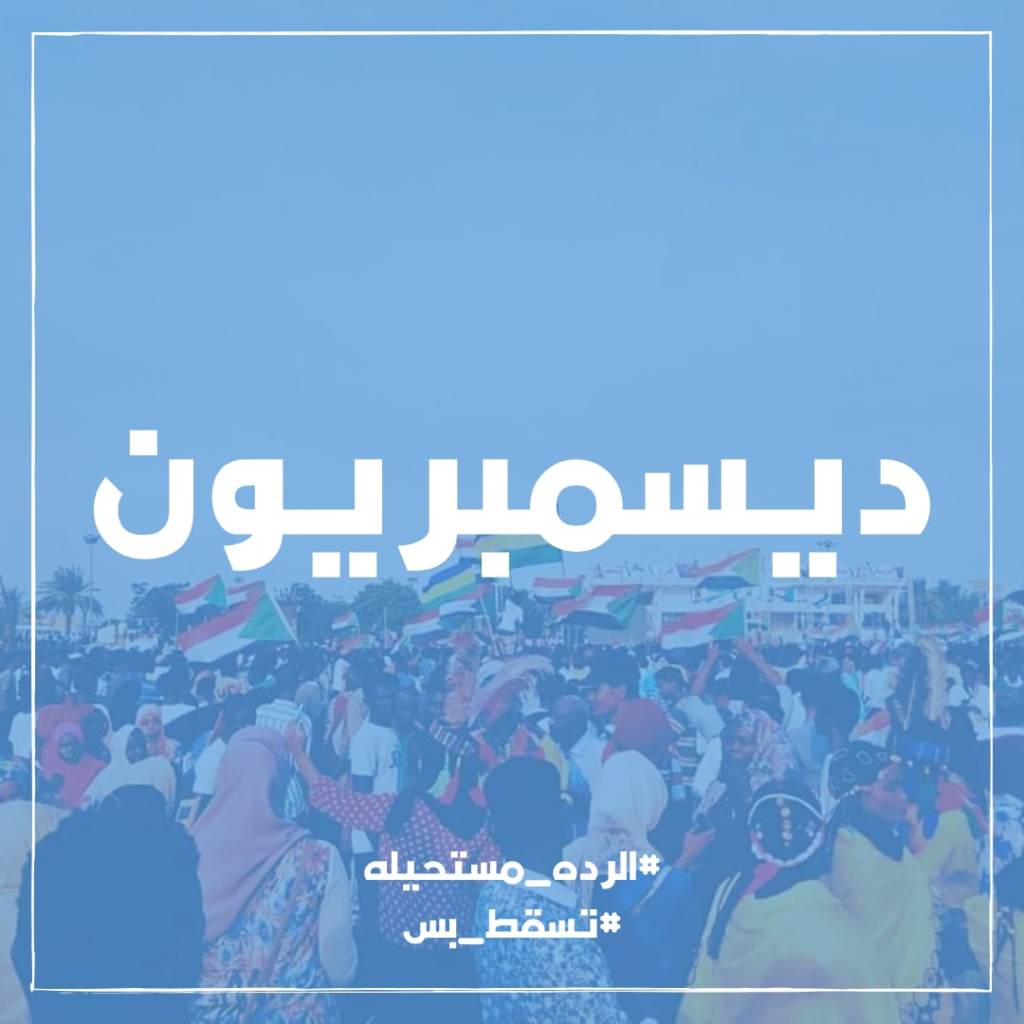
Some have described the Sudanese uprising as “bread riots”, but people are taking to the streets for much more than bread.
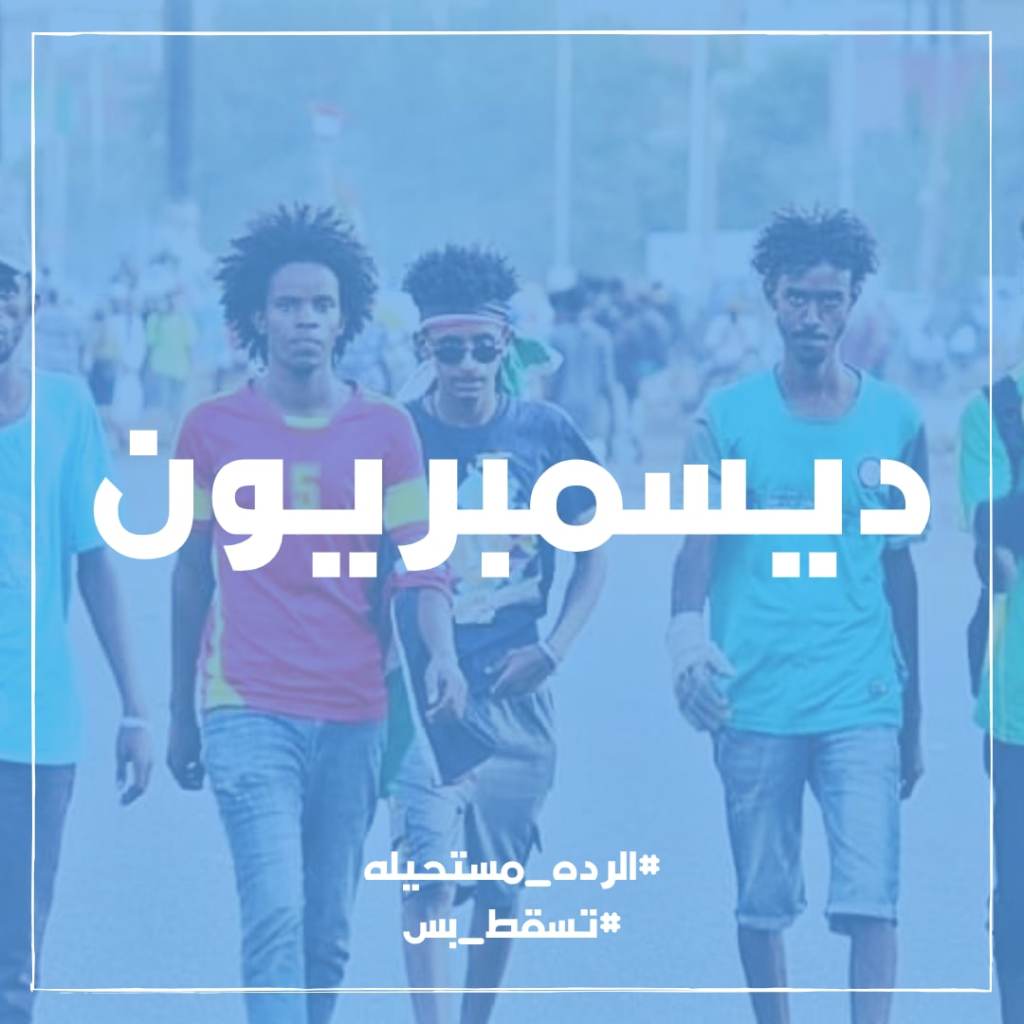
The generation leading the uprising is the one born and raised during the 30-year rule of Omar al-Bashir.
They have been the main target of the regime’s Islamization and Arabization policies that have been particularly harsh against women’s freedoms and rights.
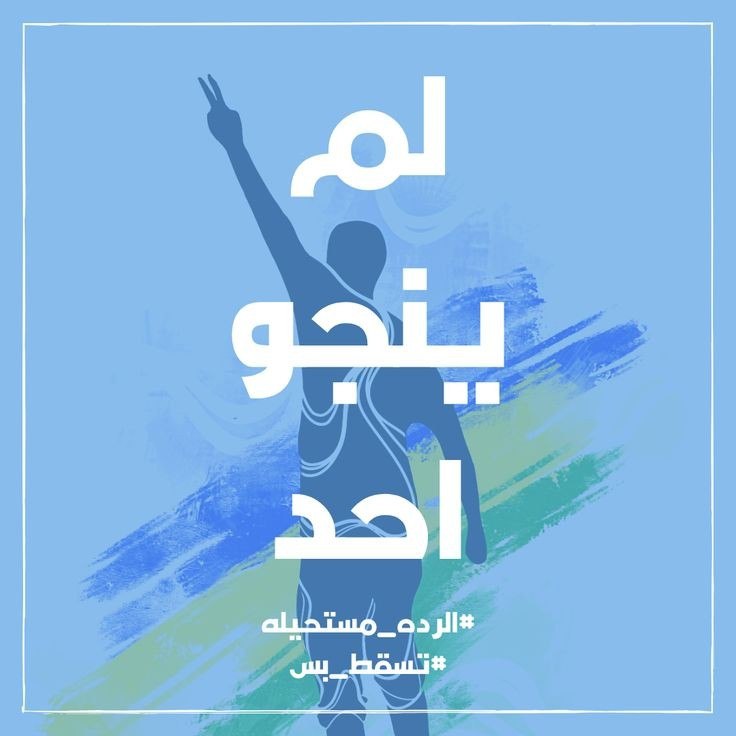
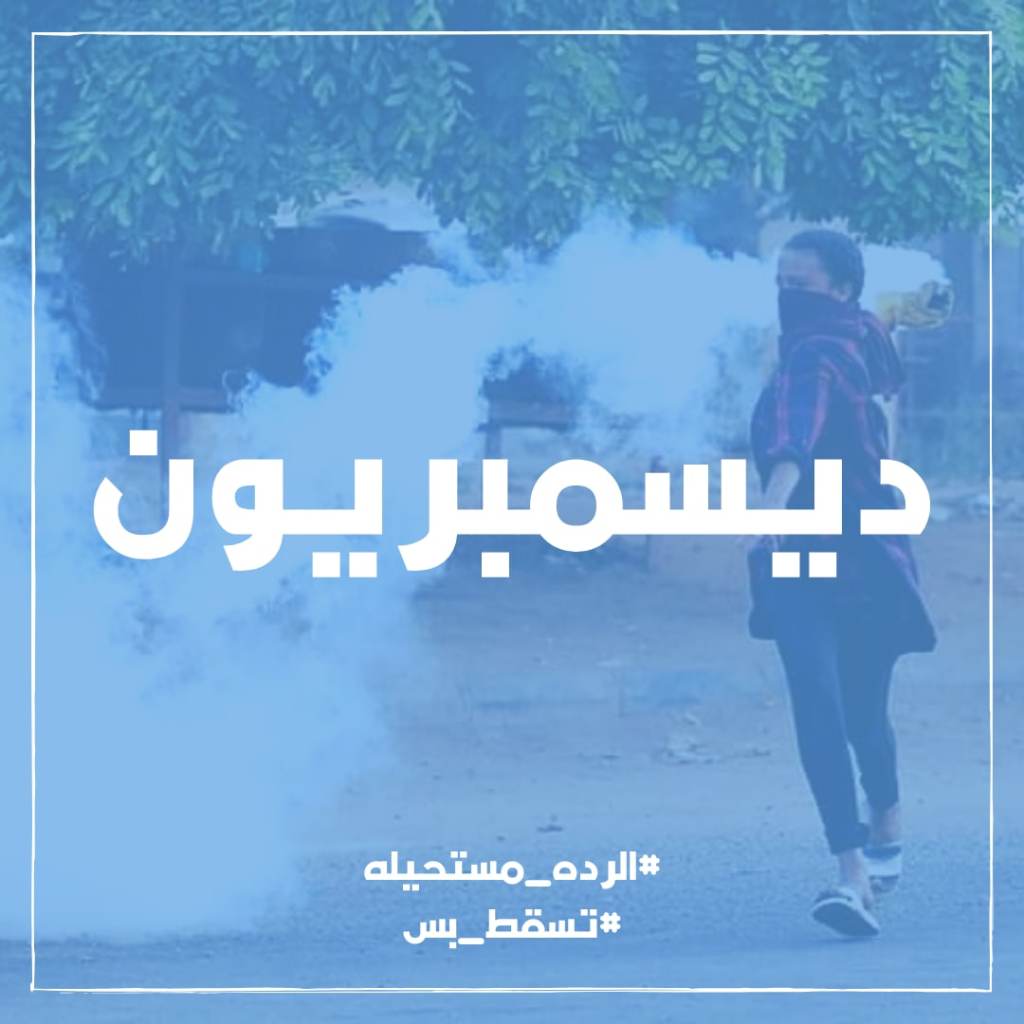
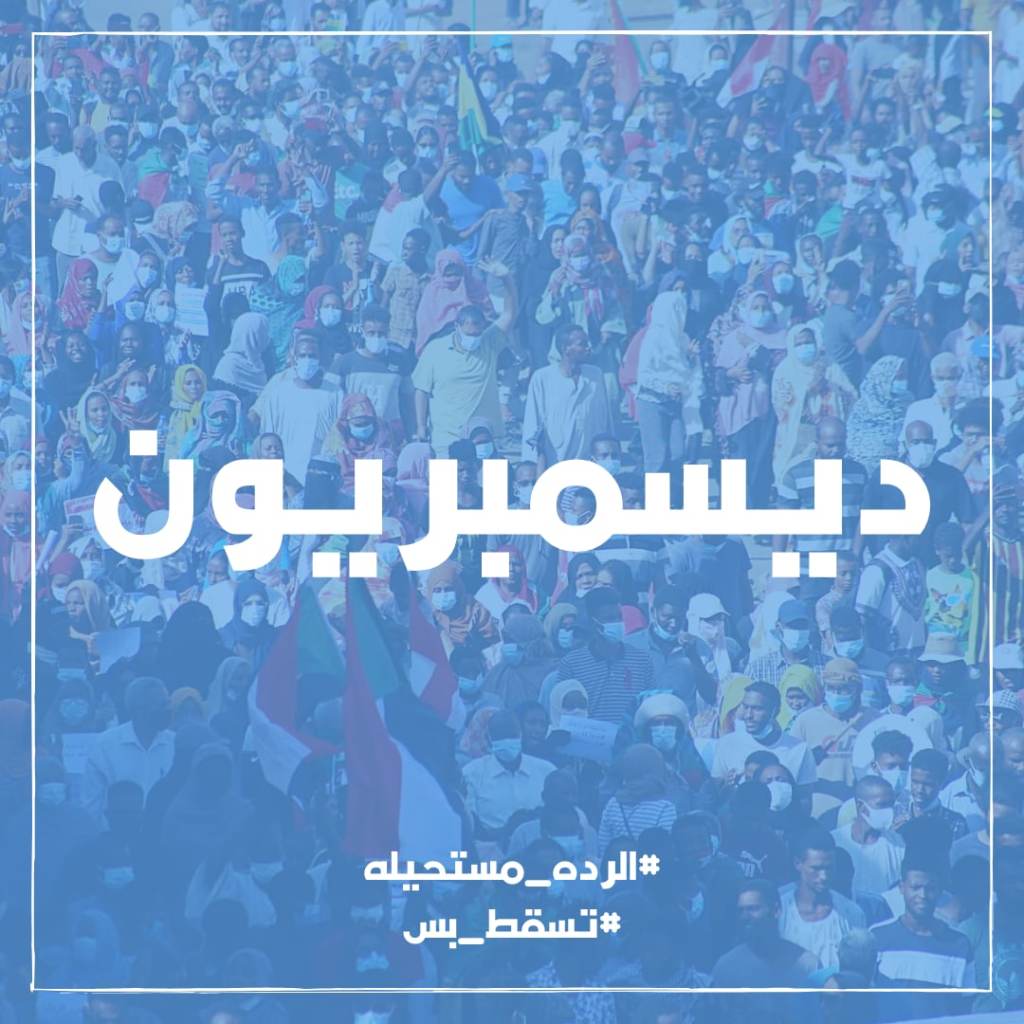
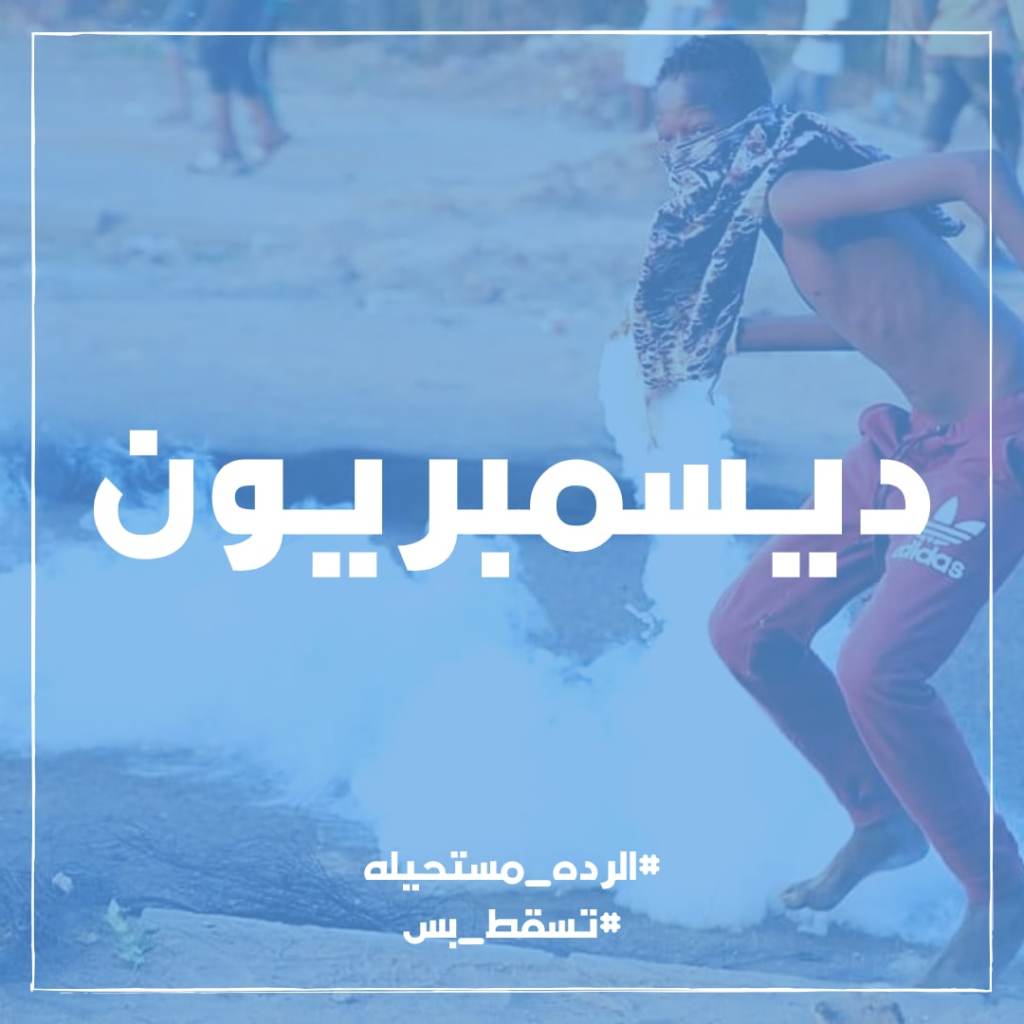
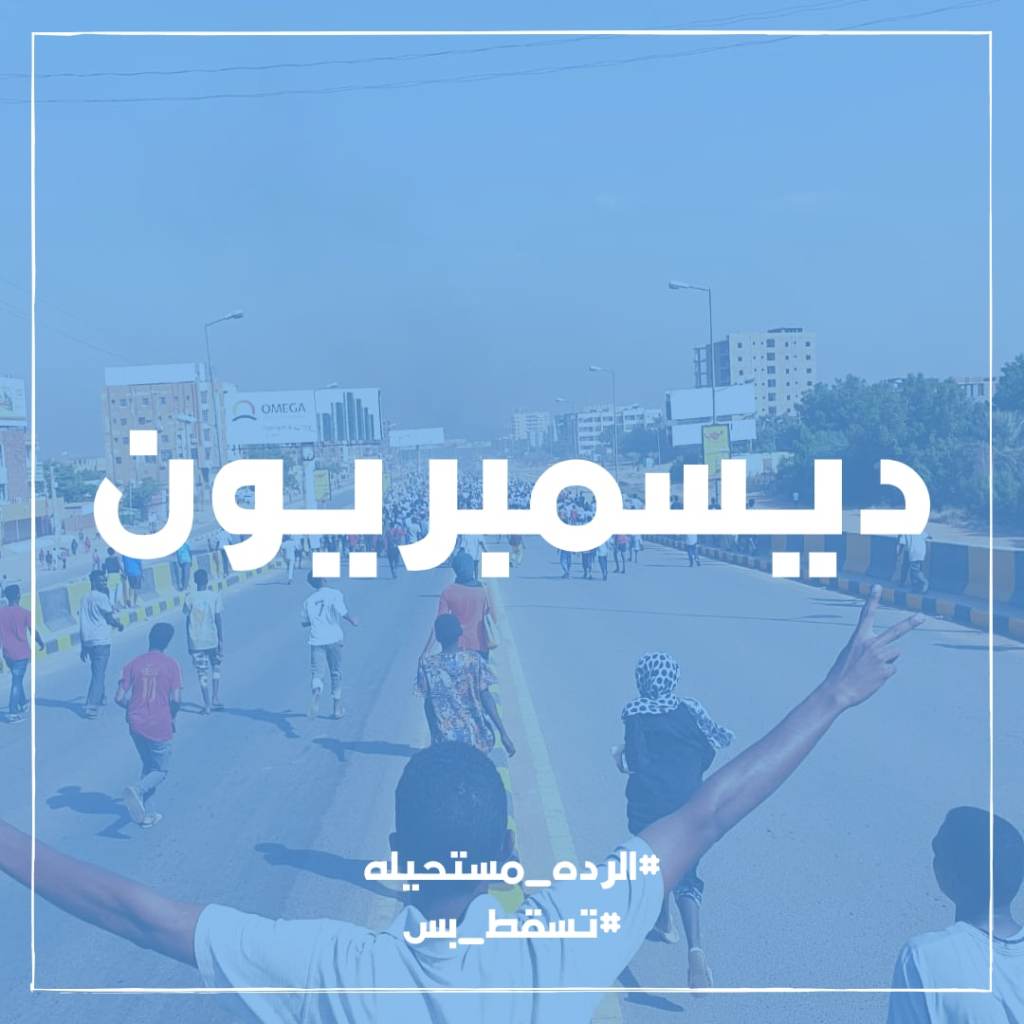
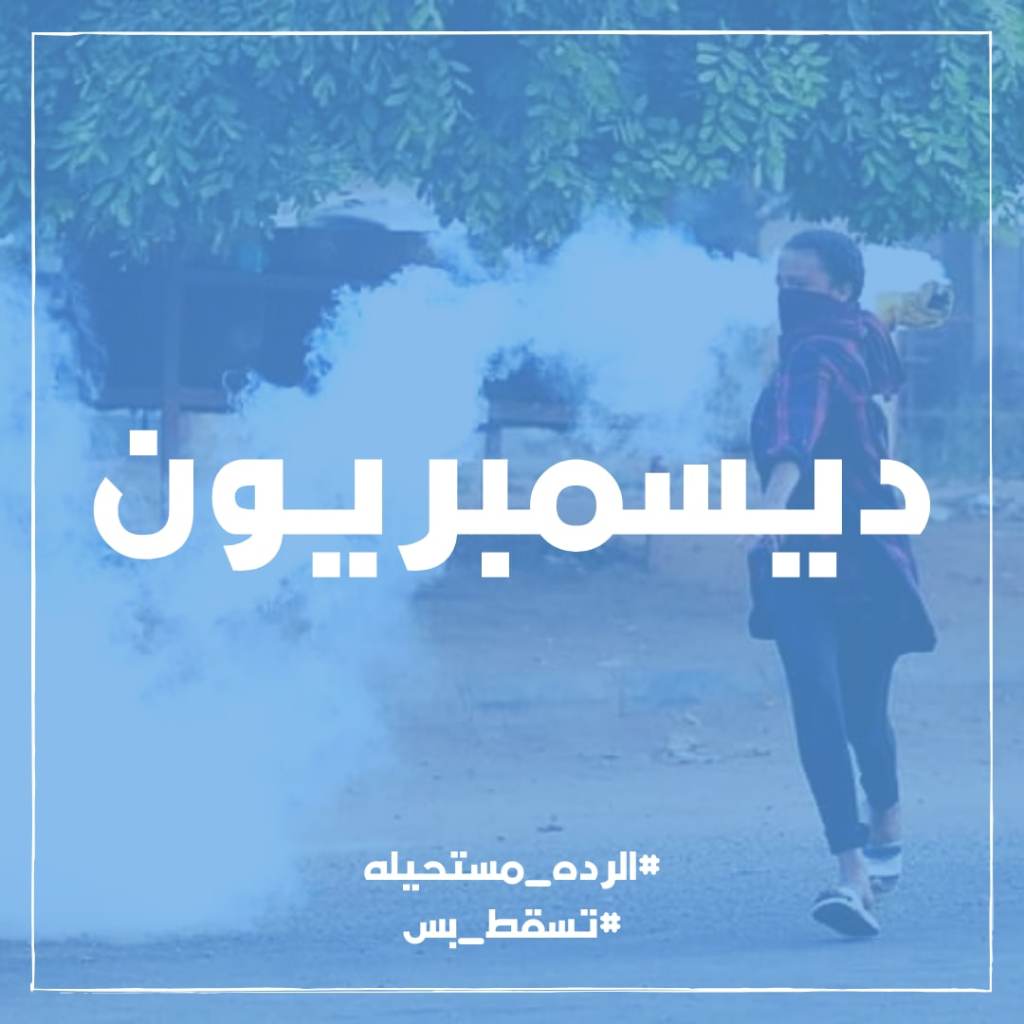
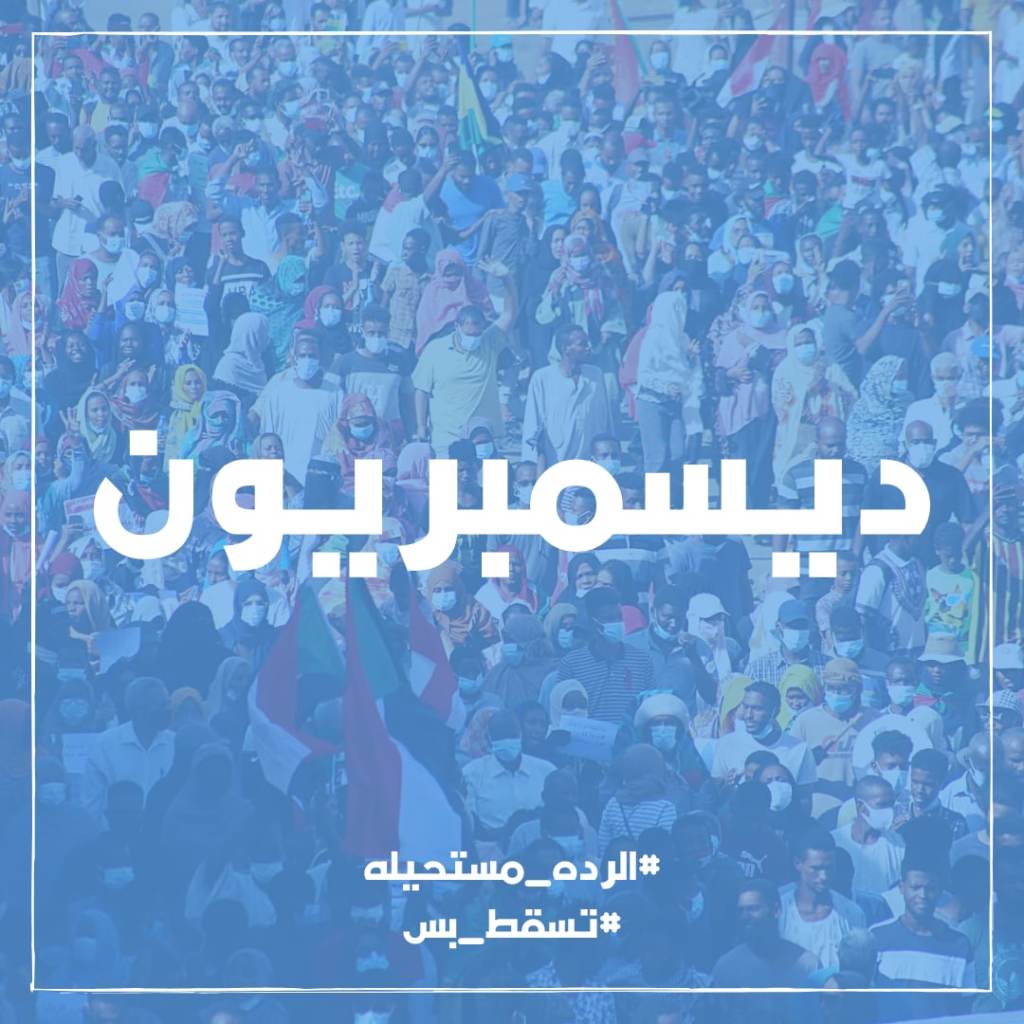
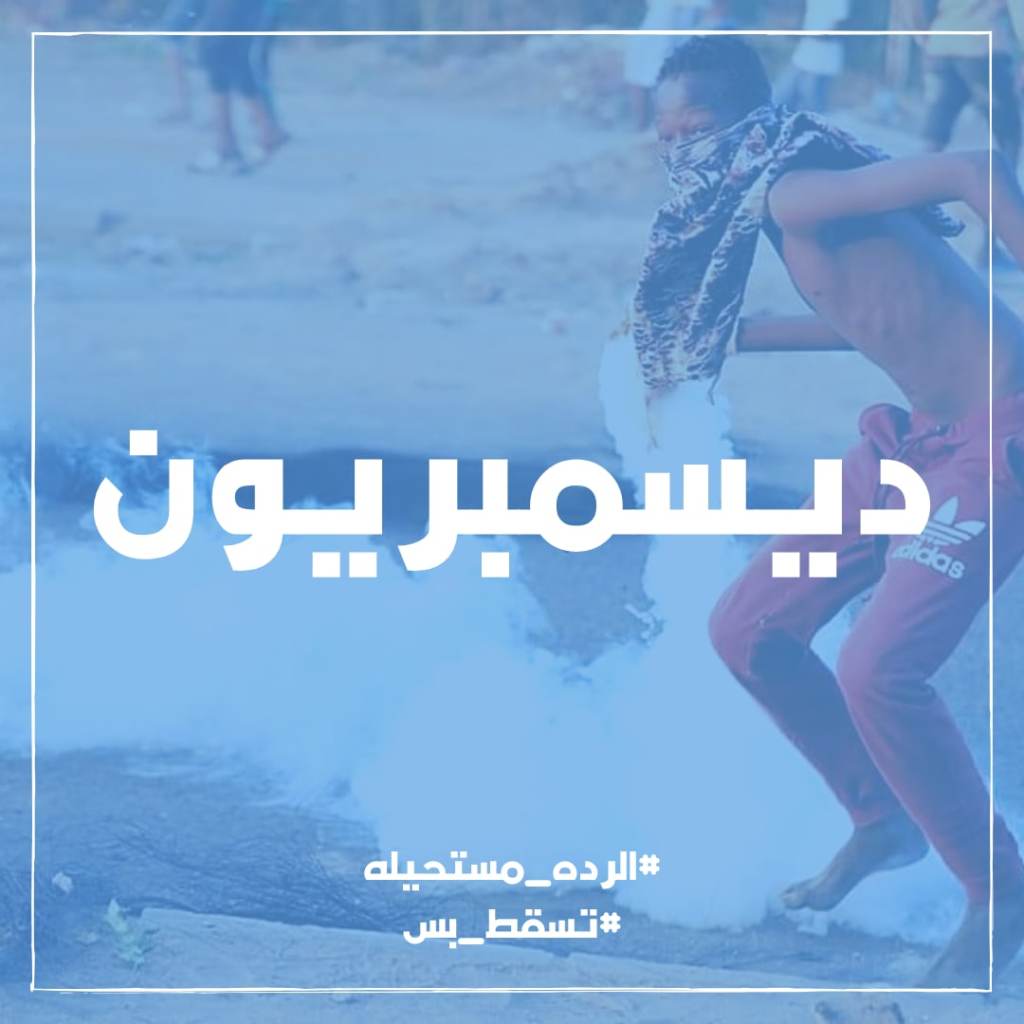
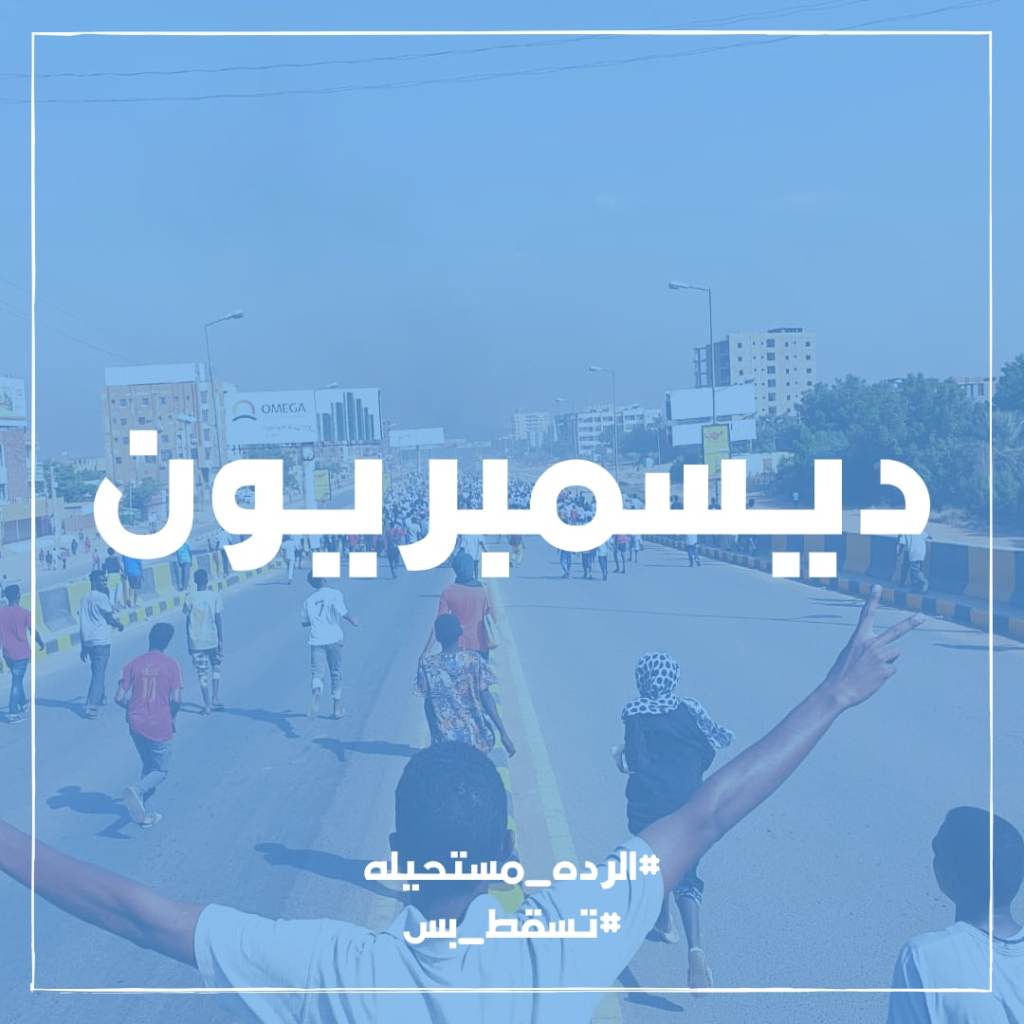
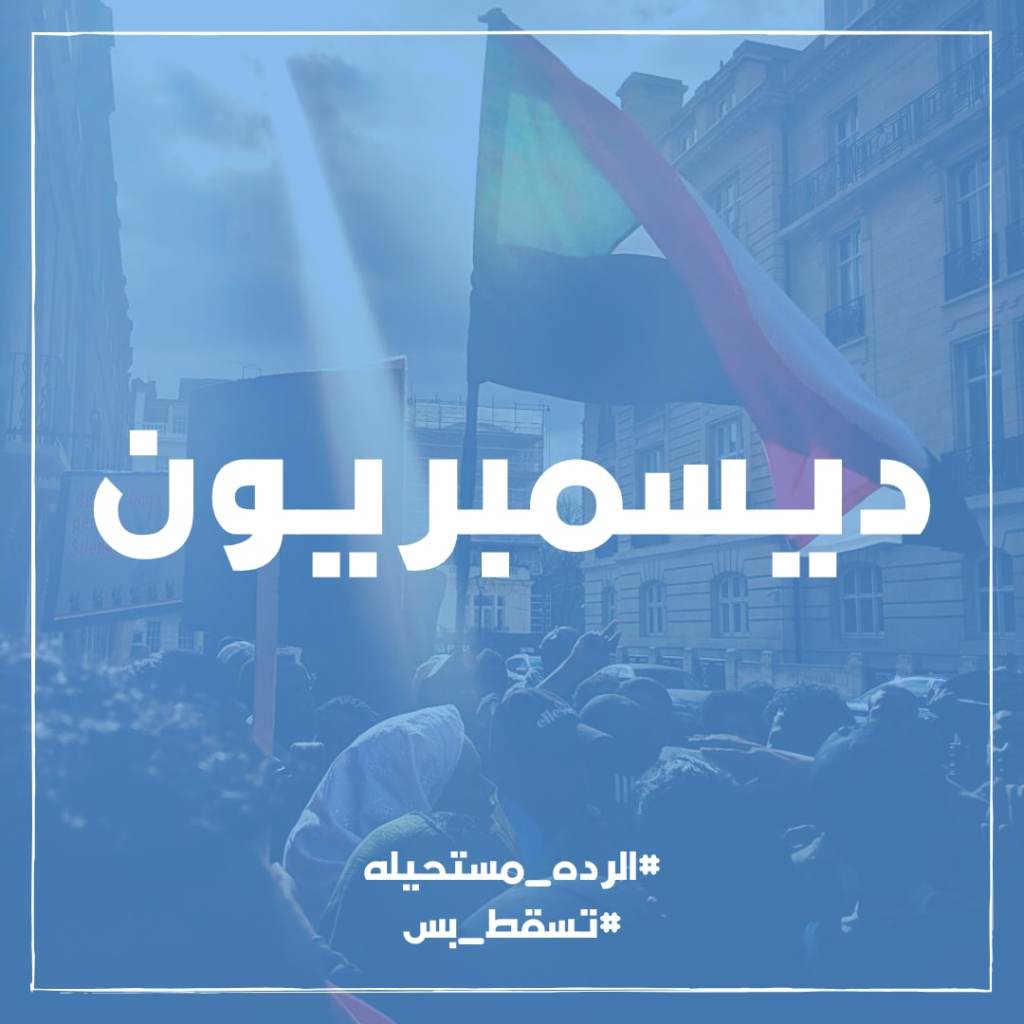
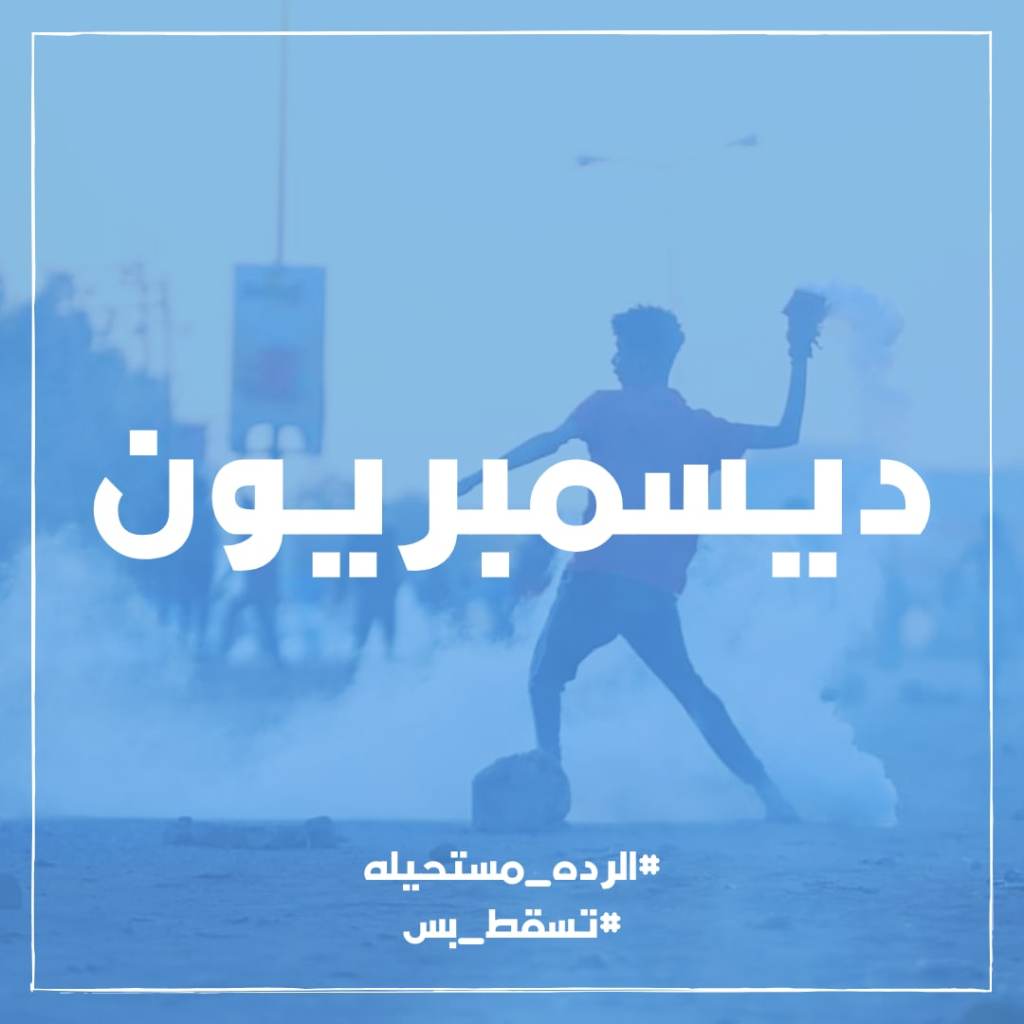
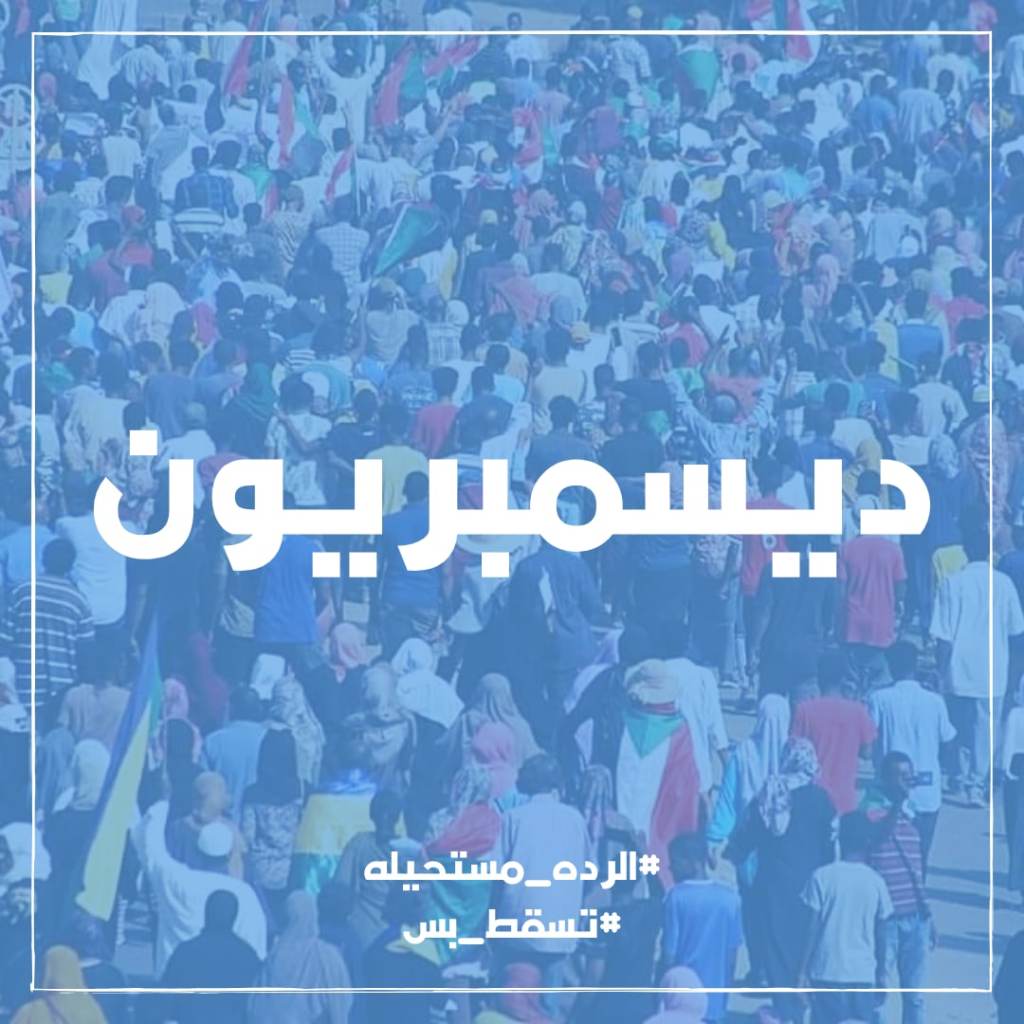
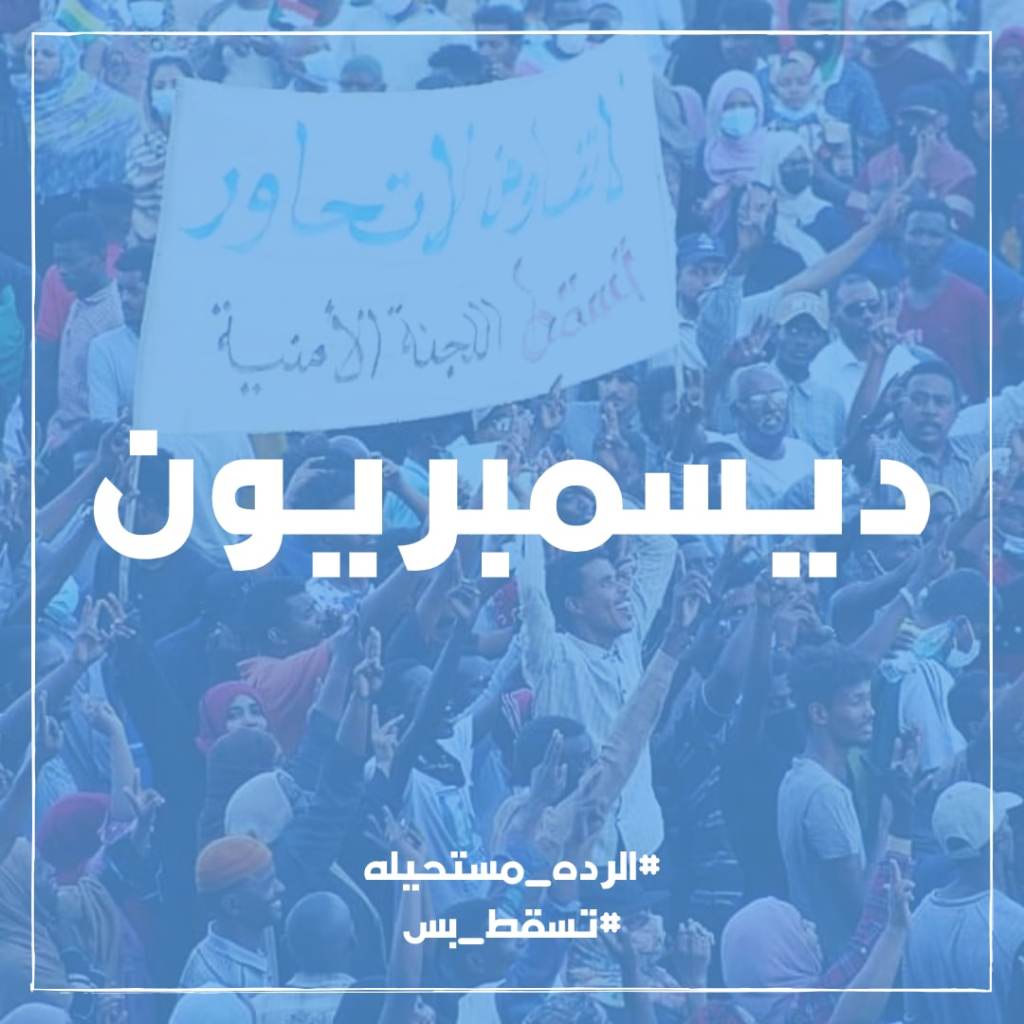
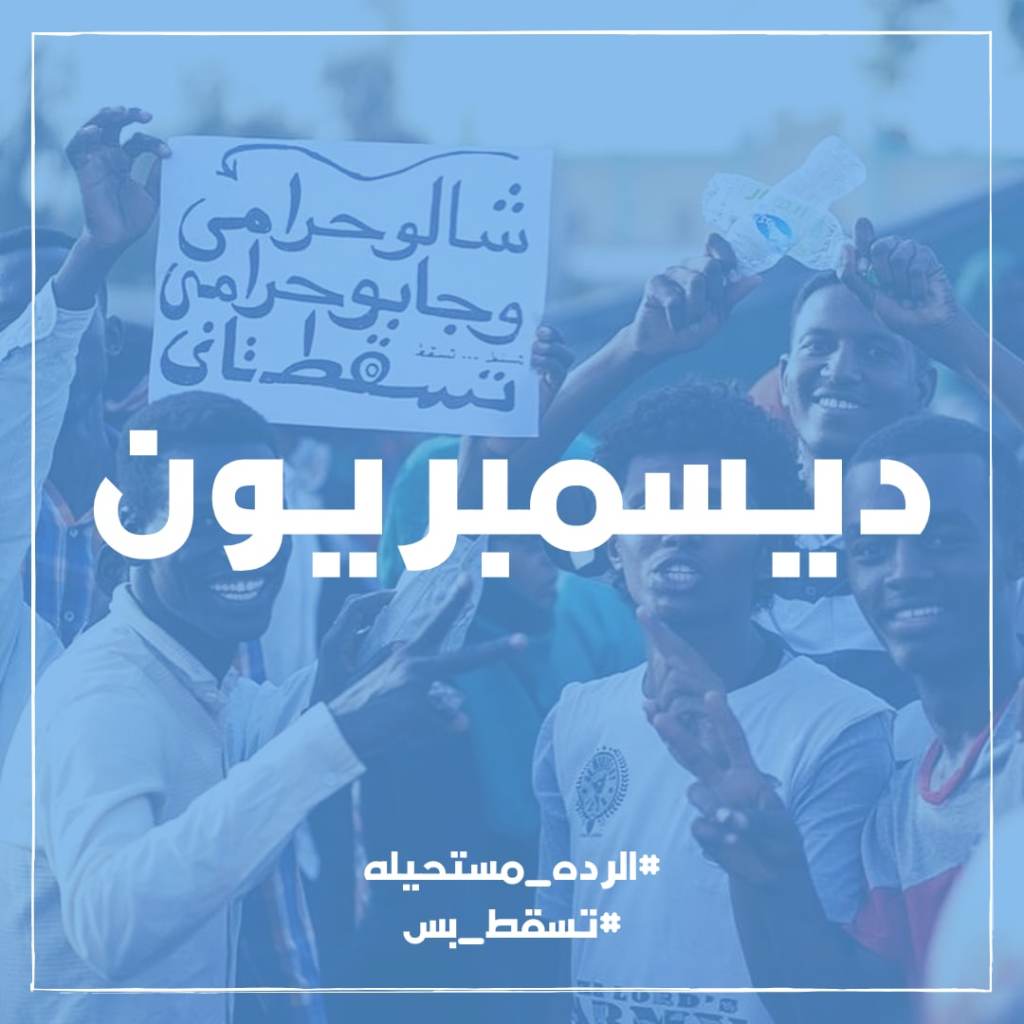
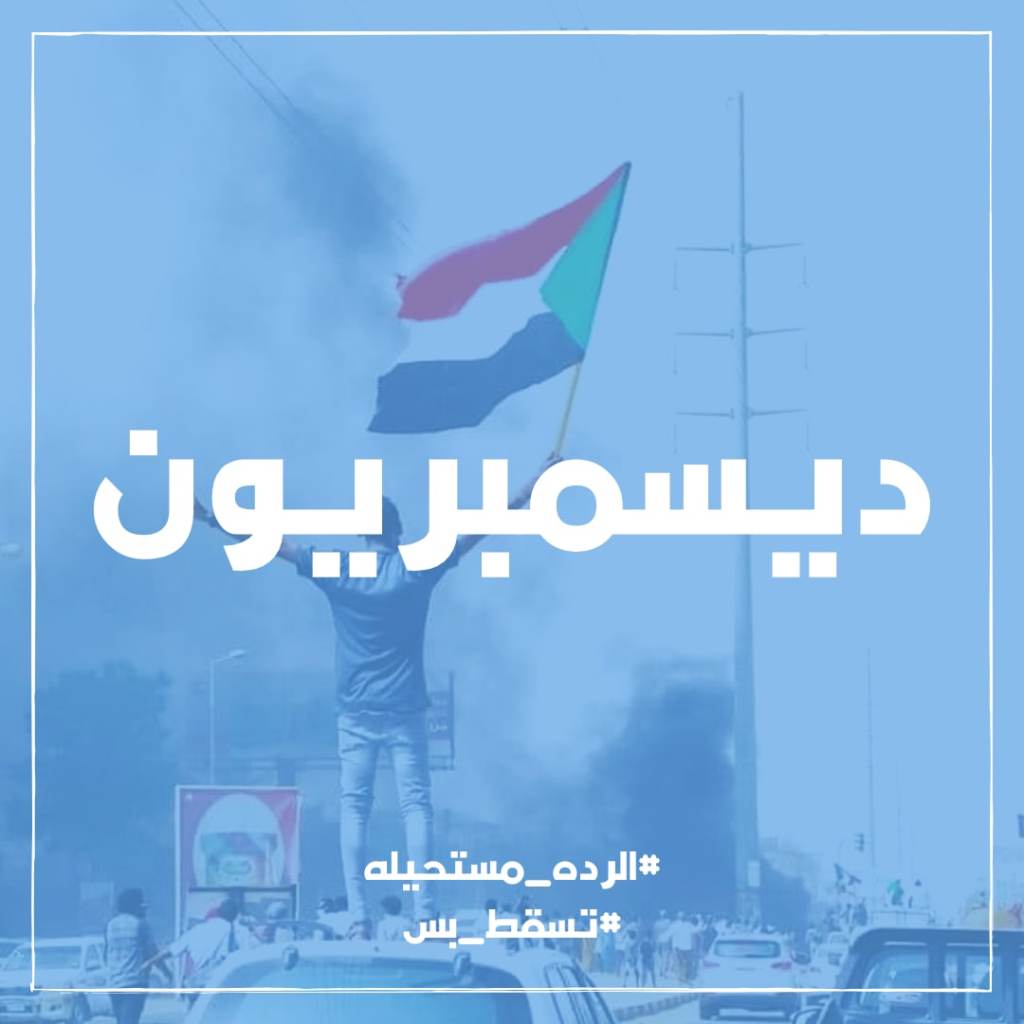
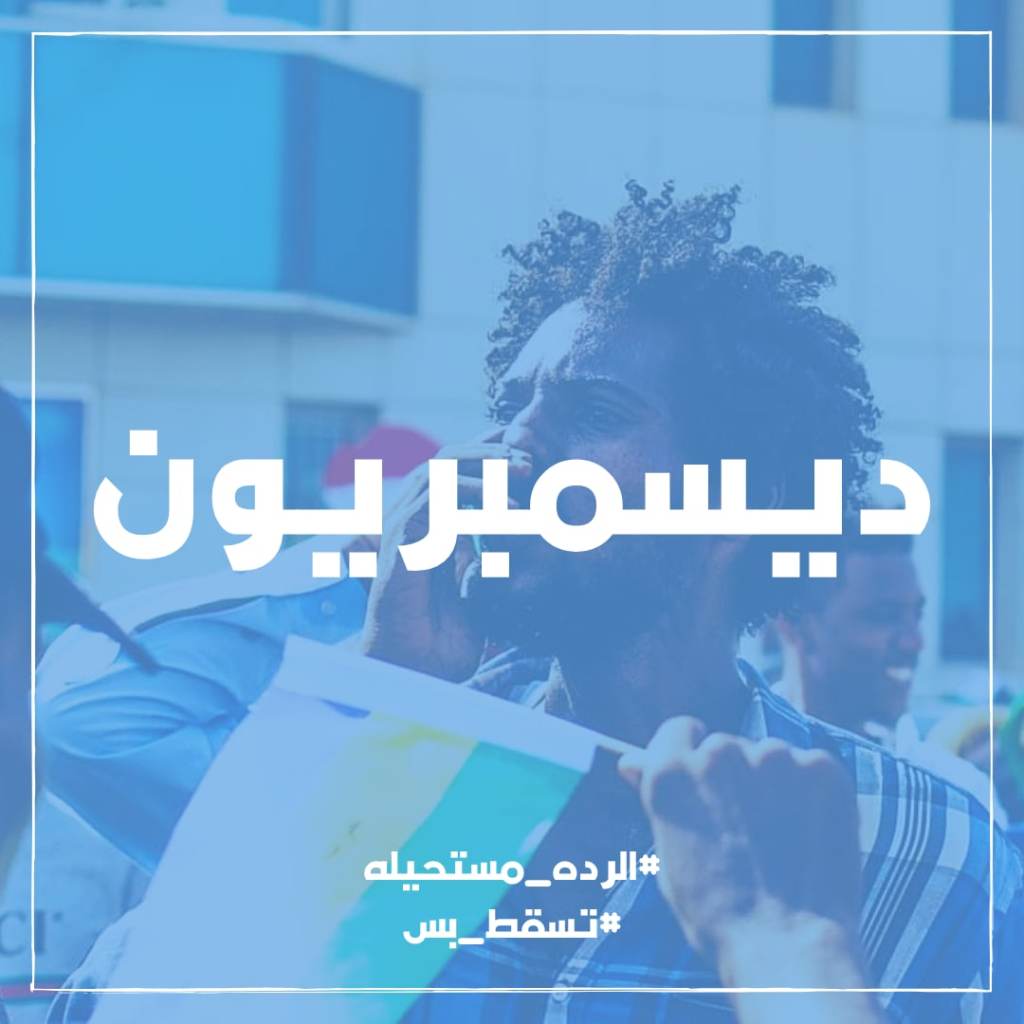
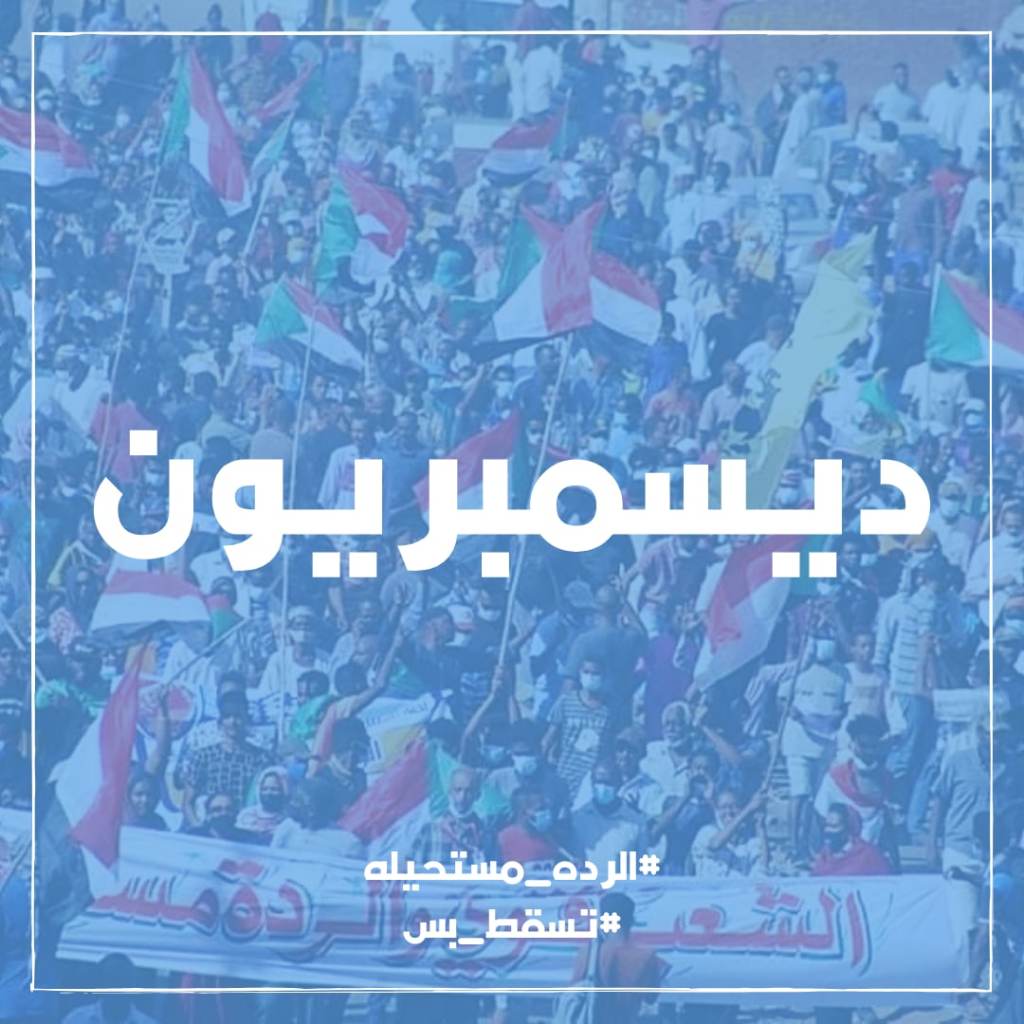
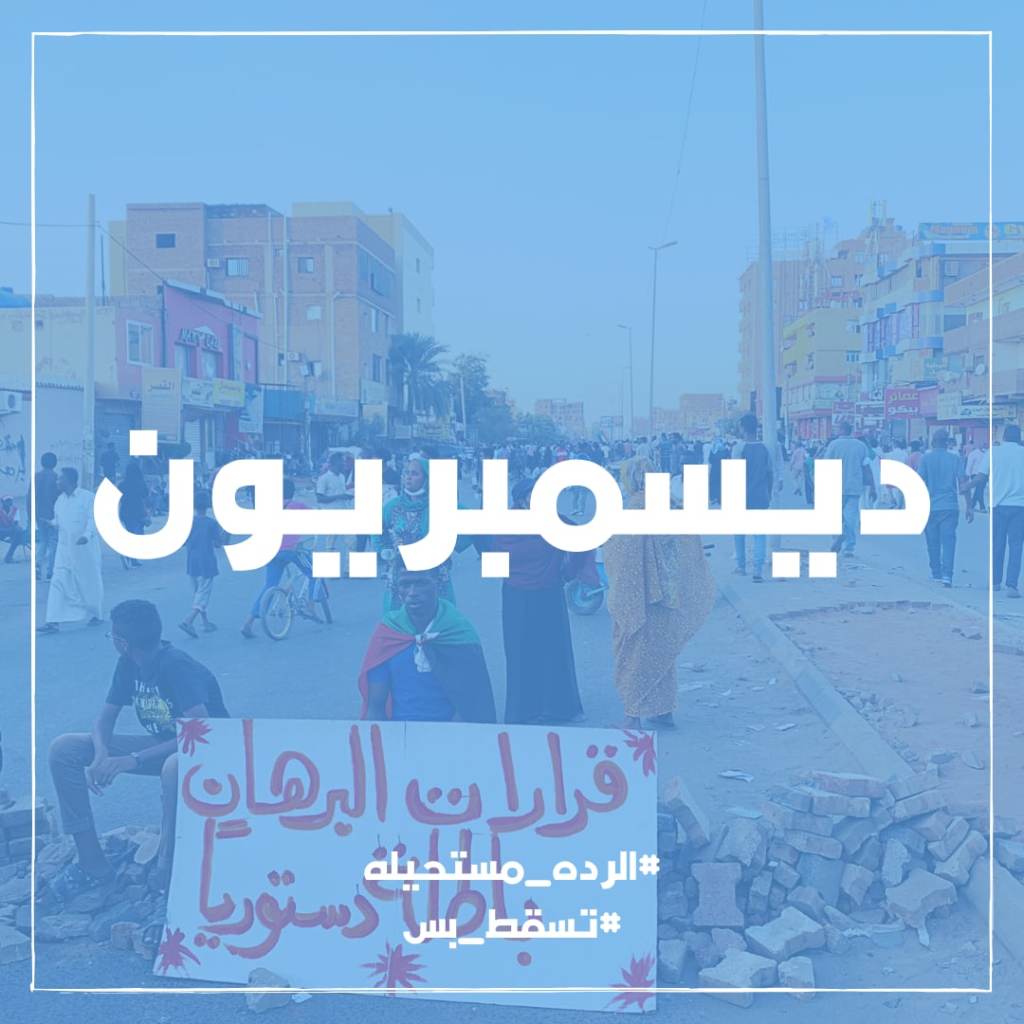
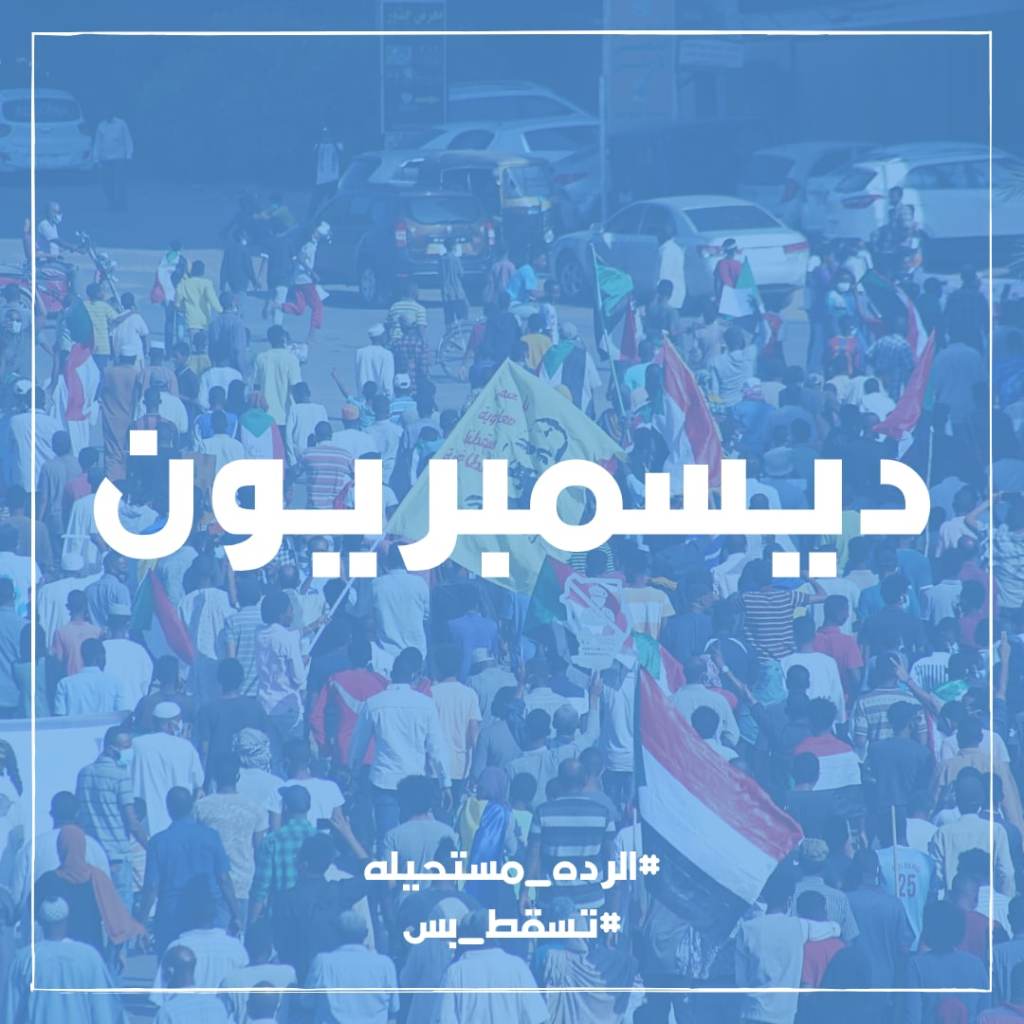
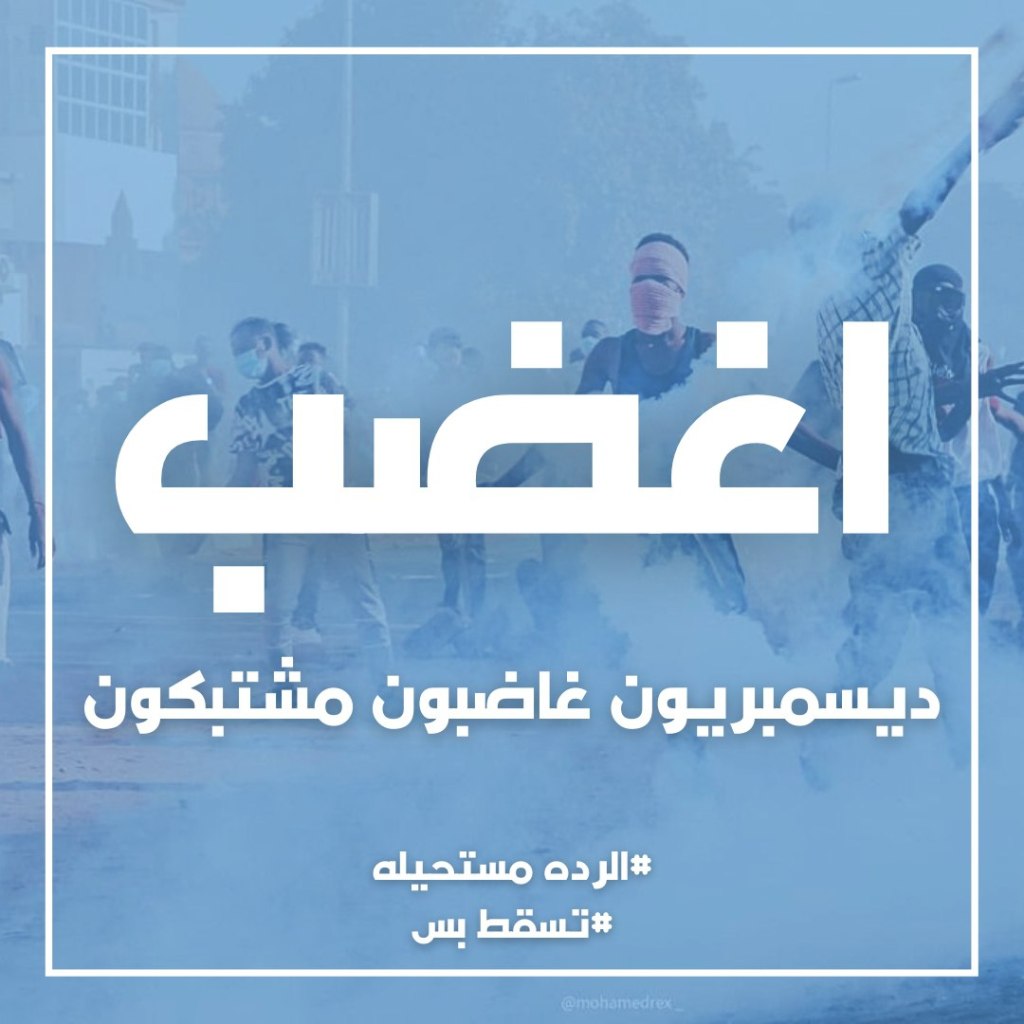
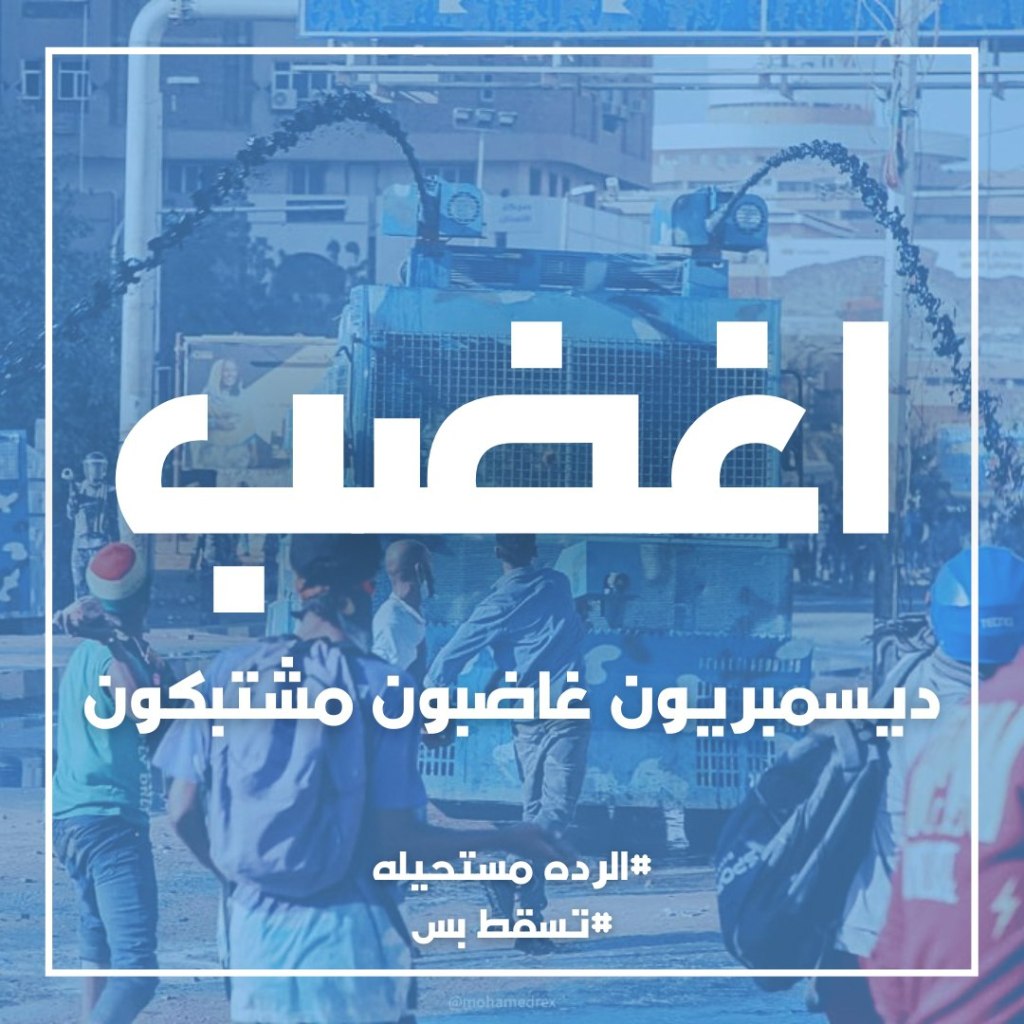
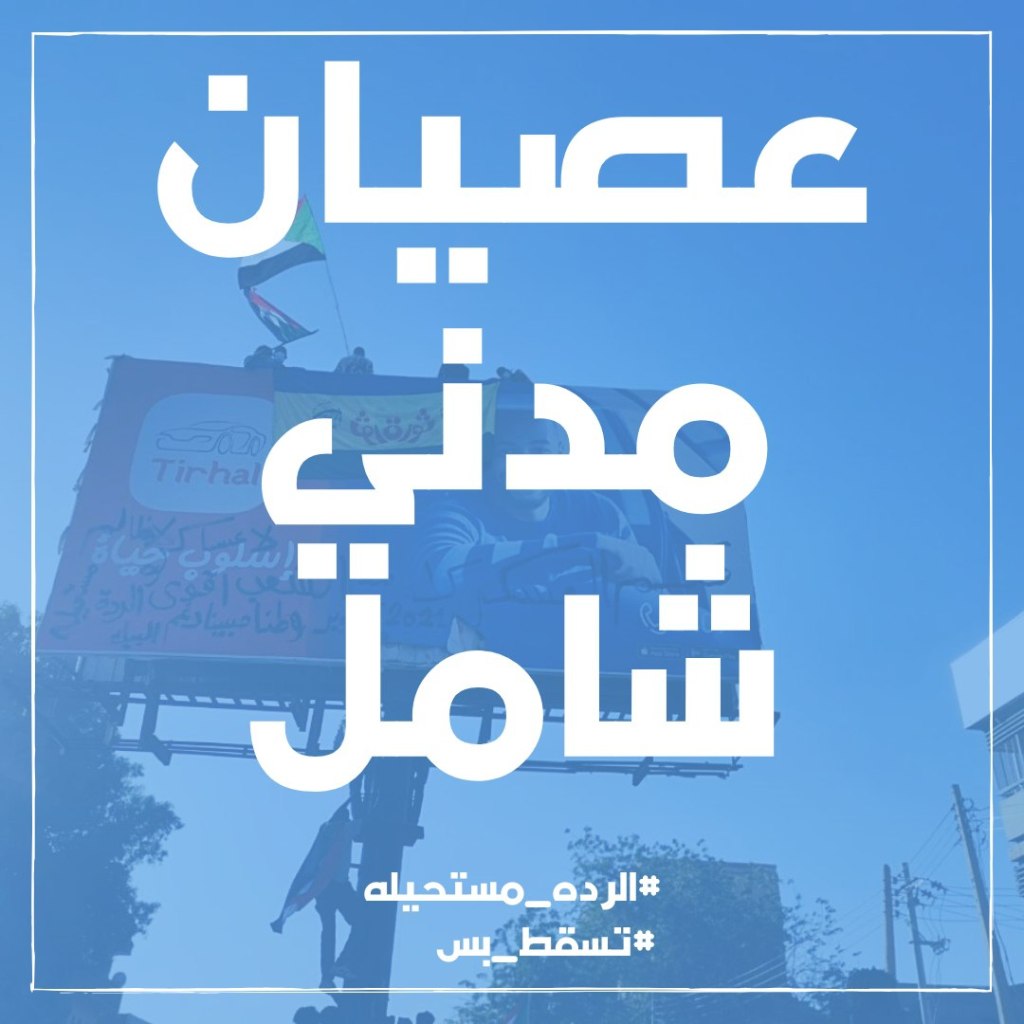
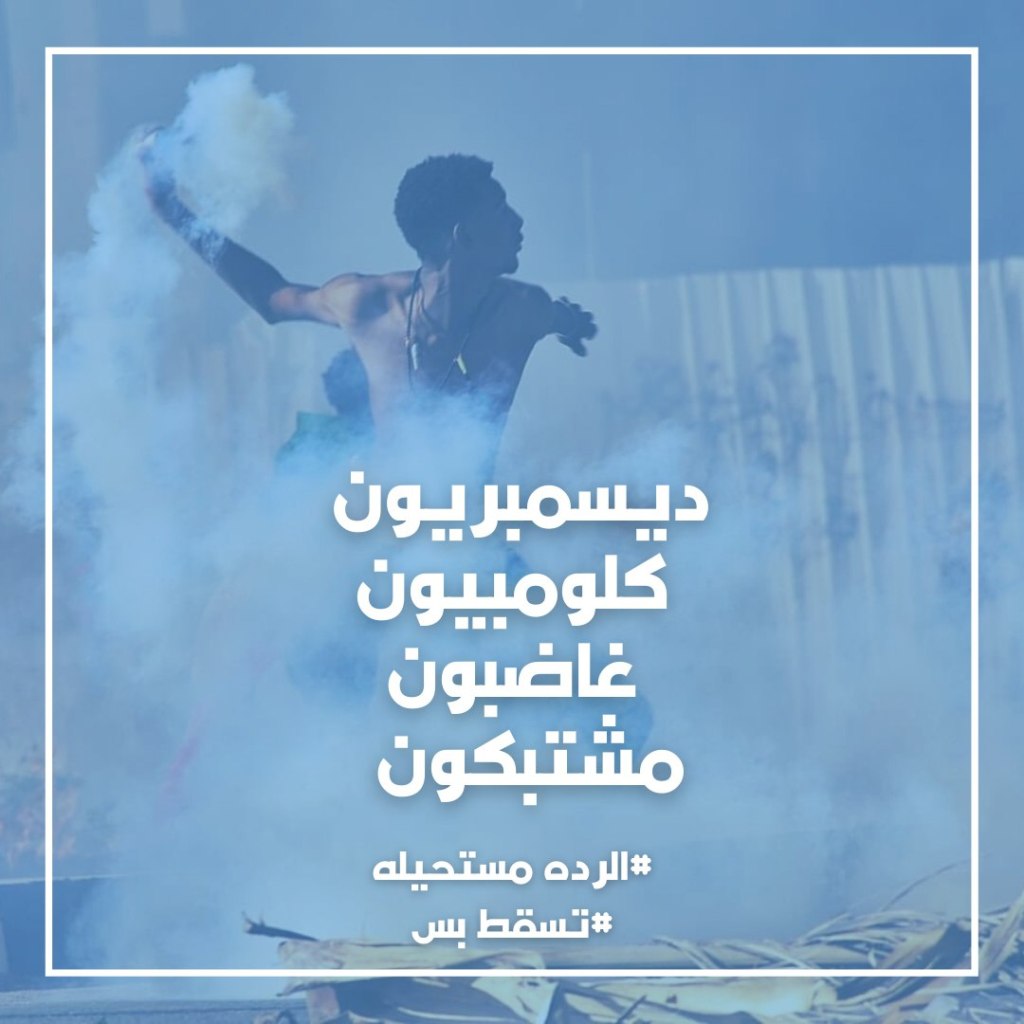
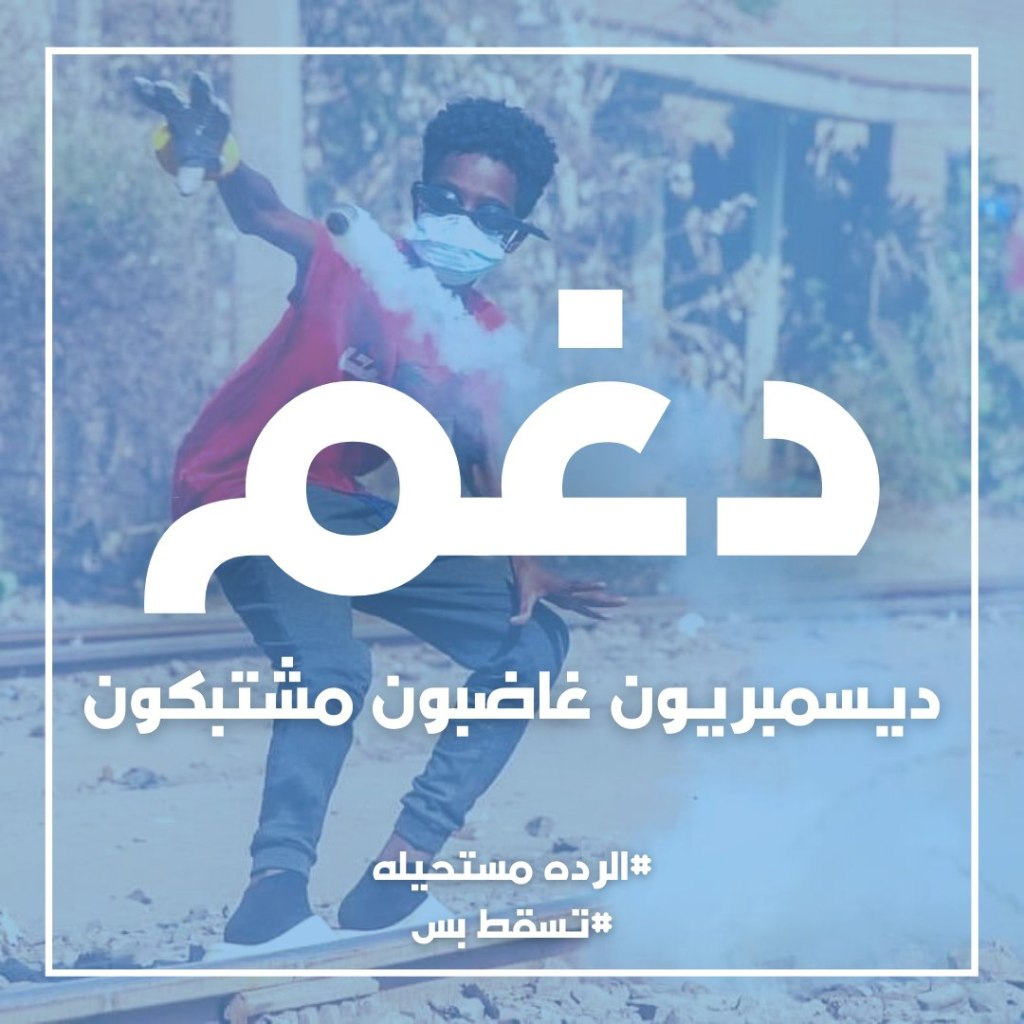
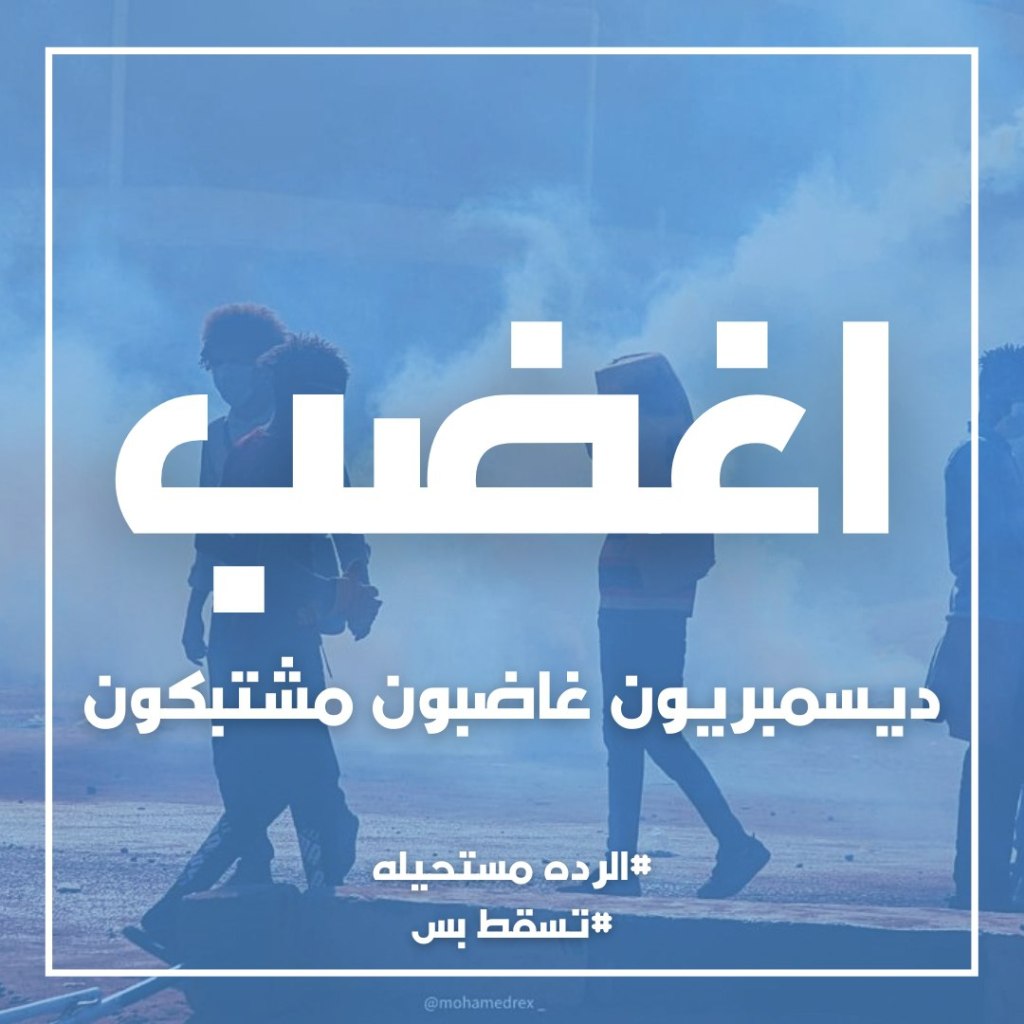
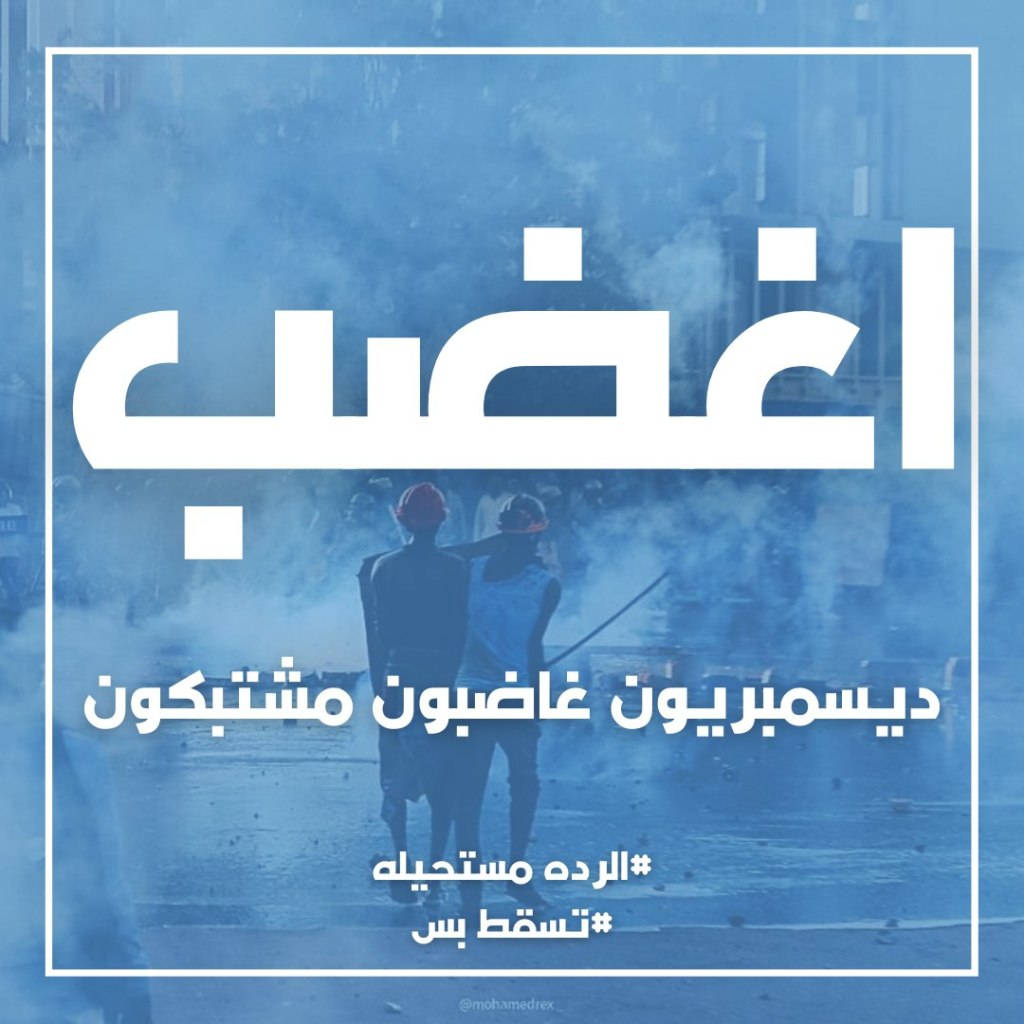
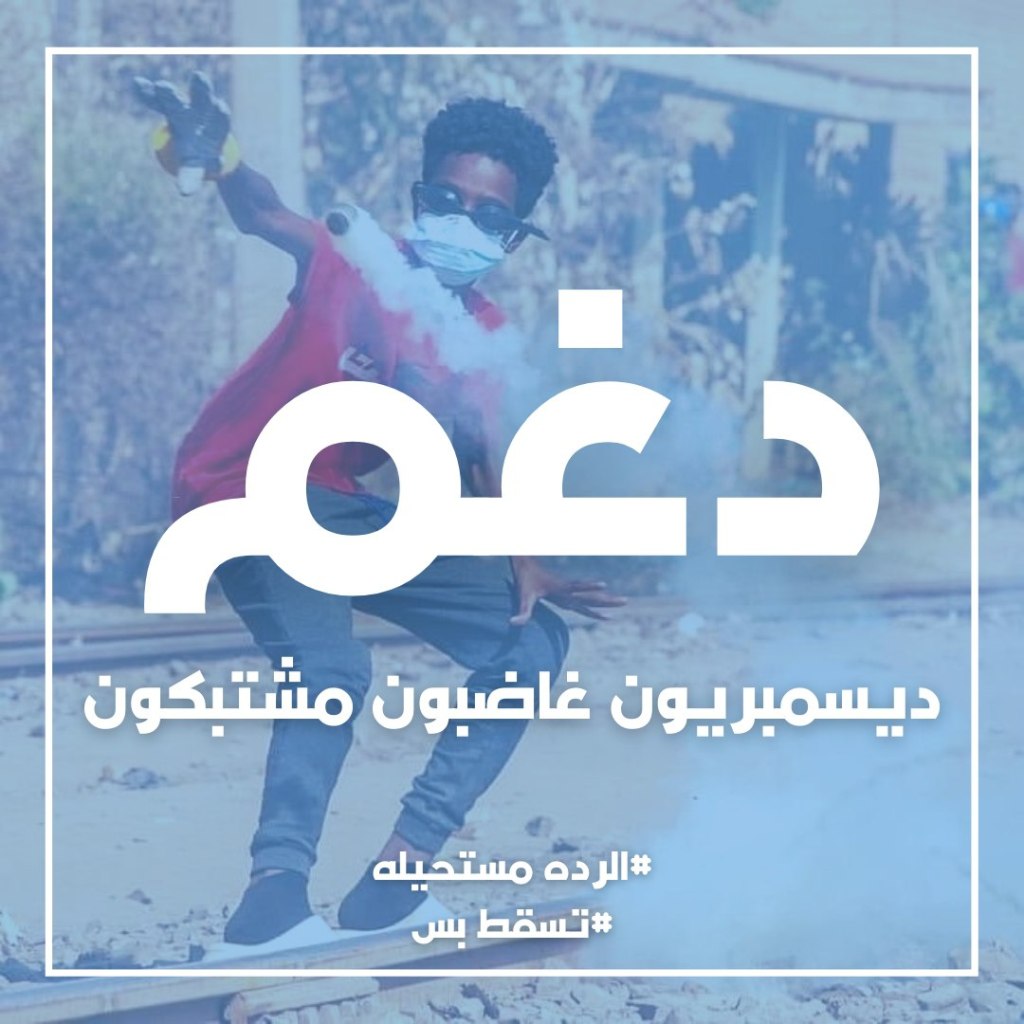
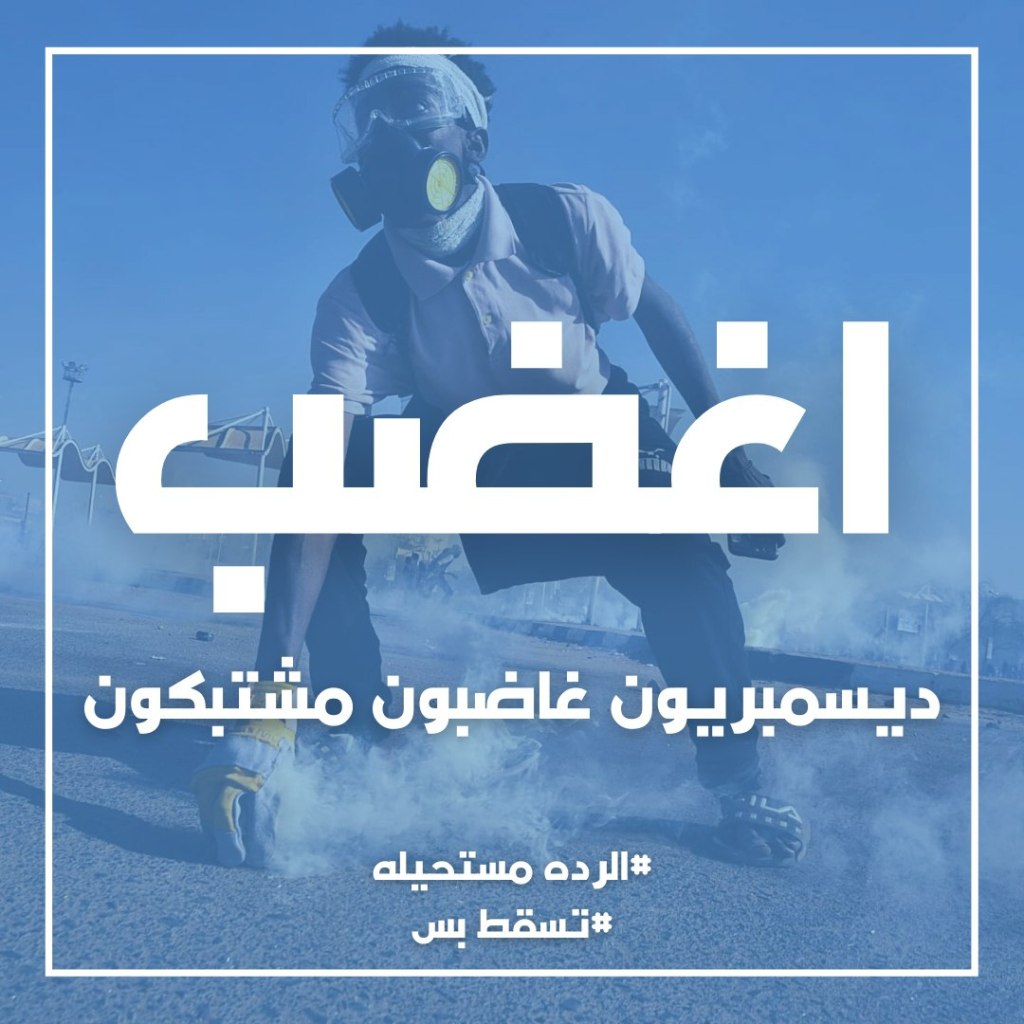
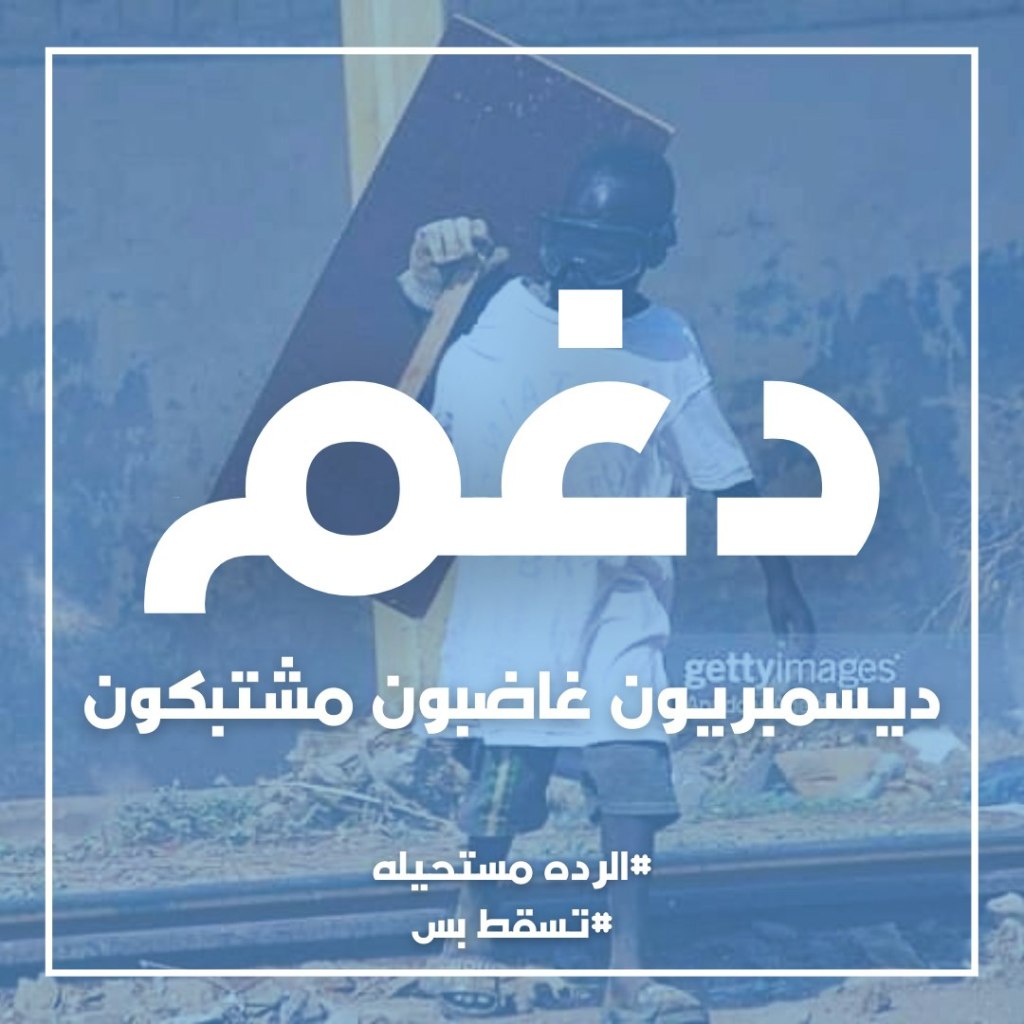
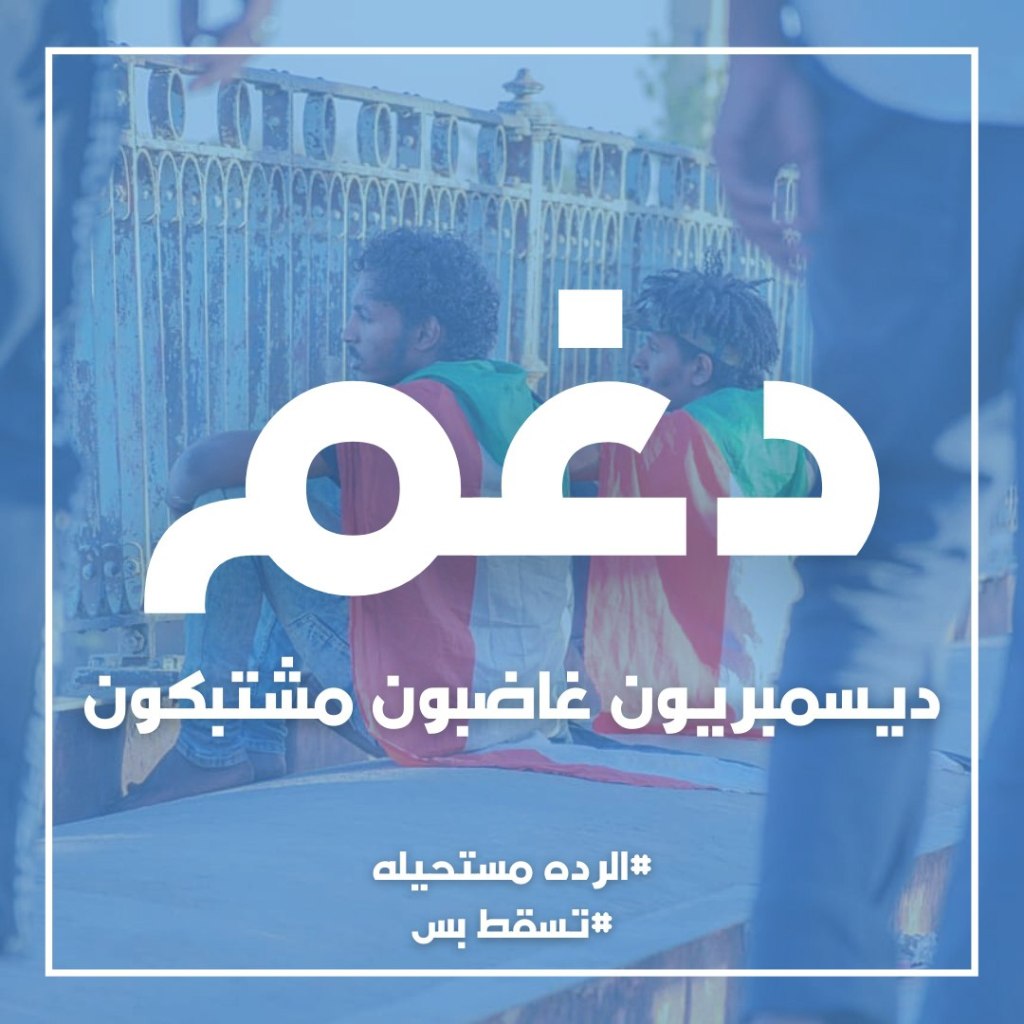
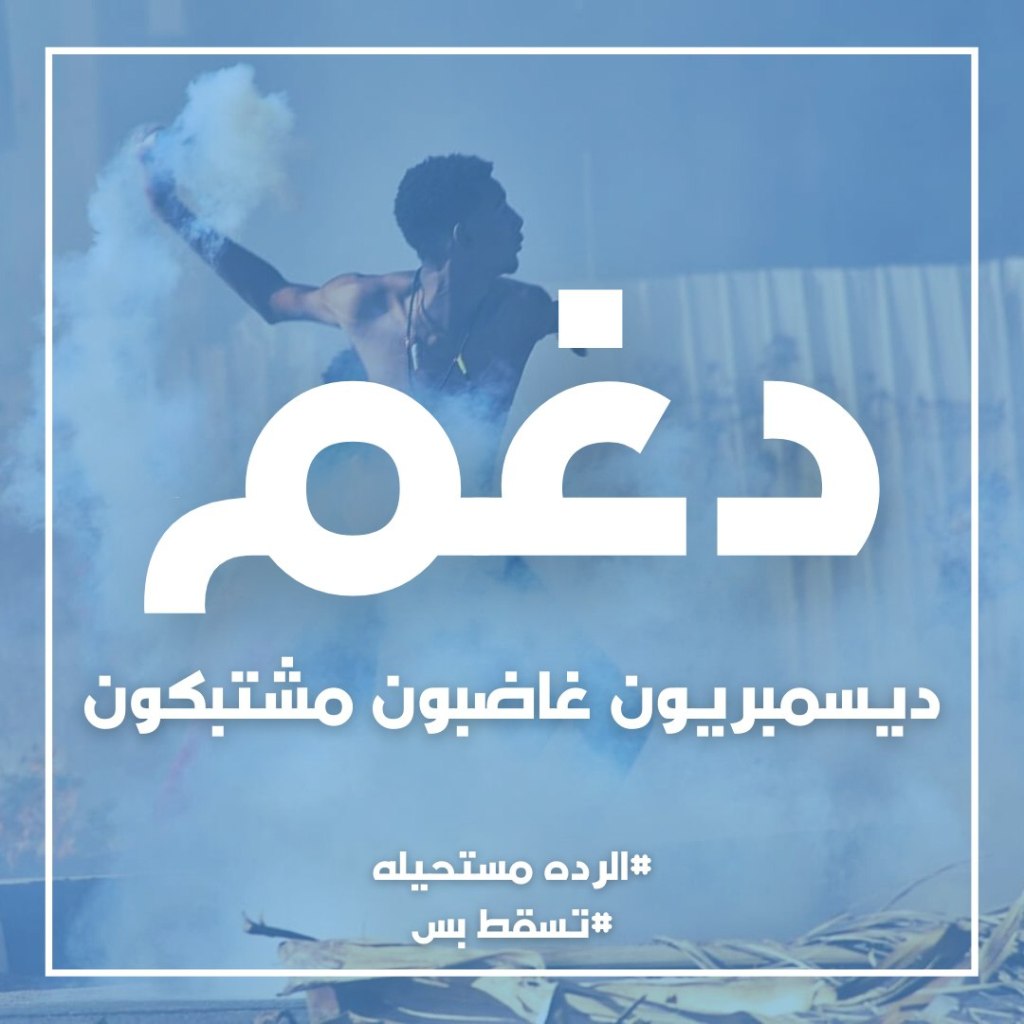
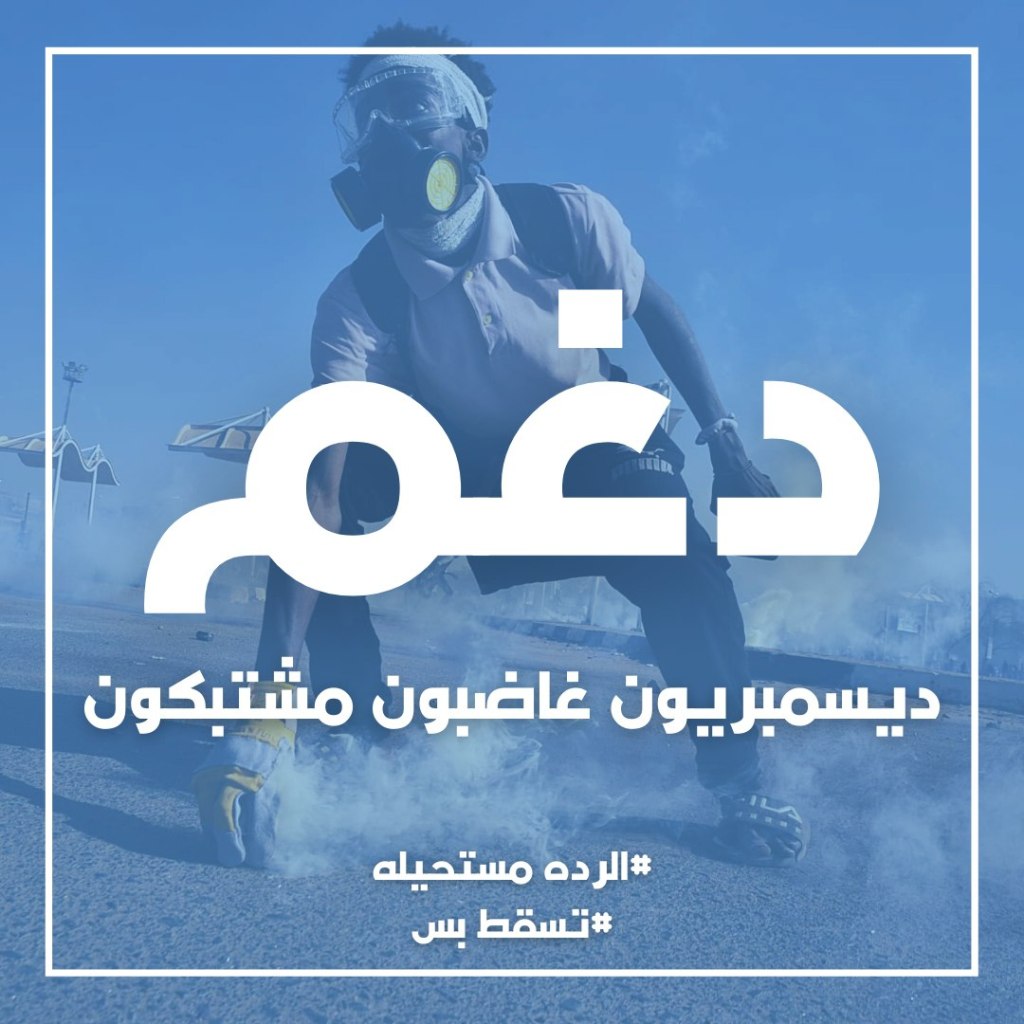
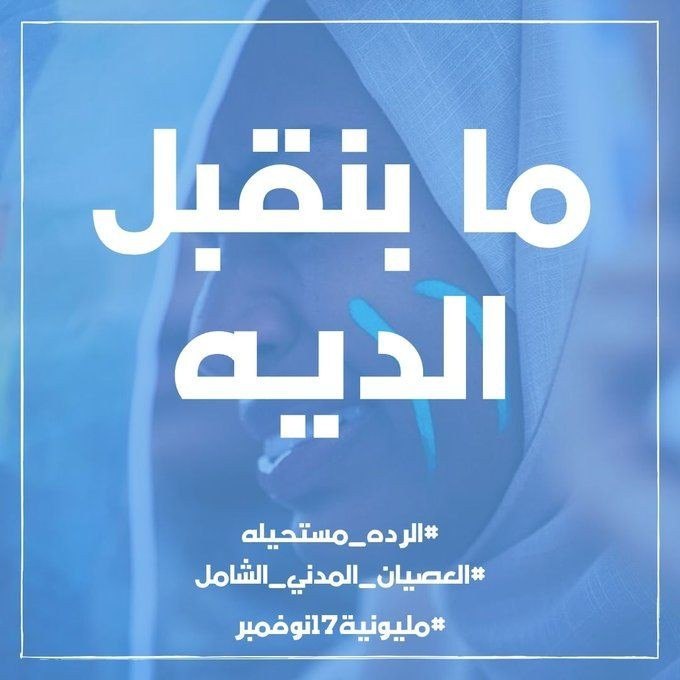
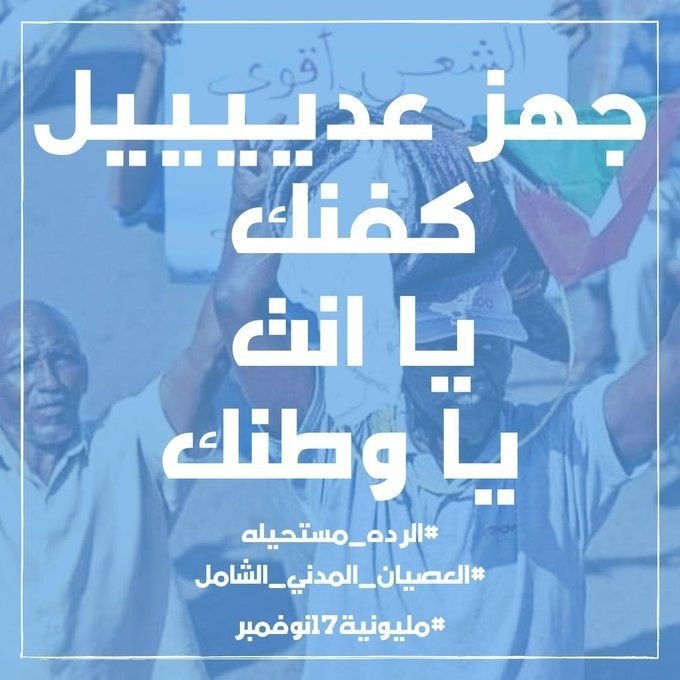
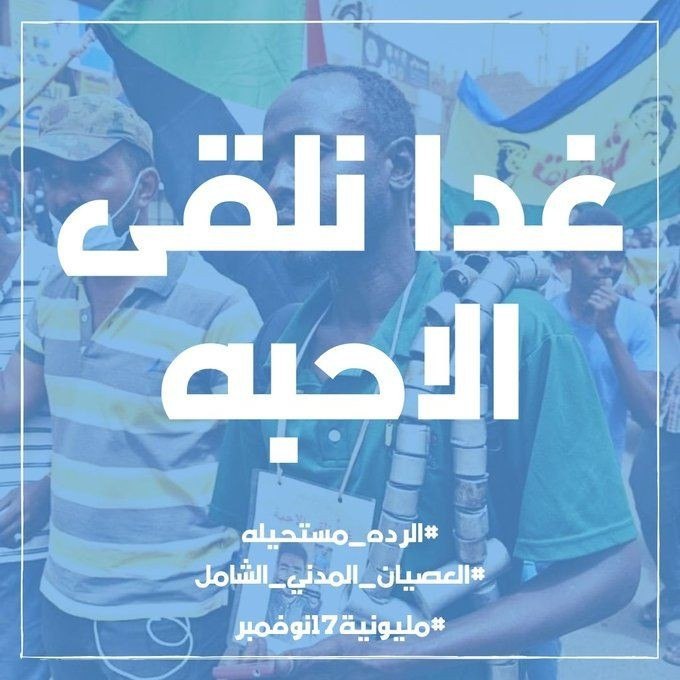
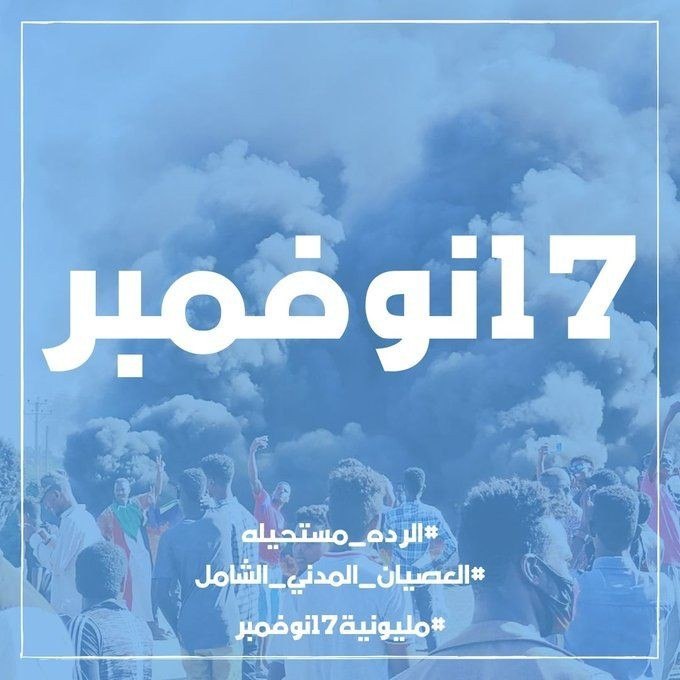
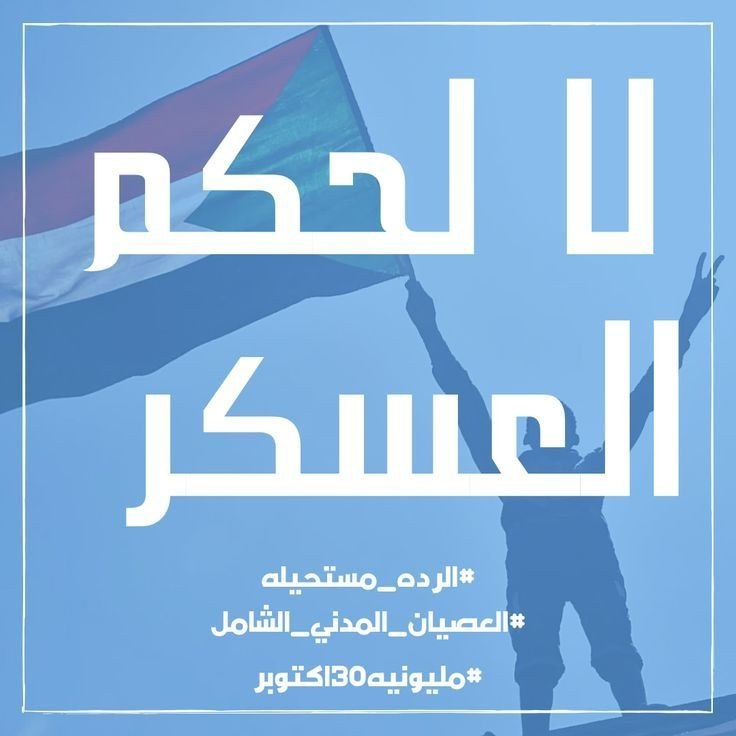
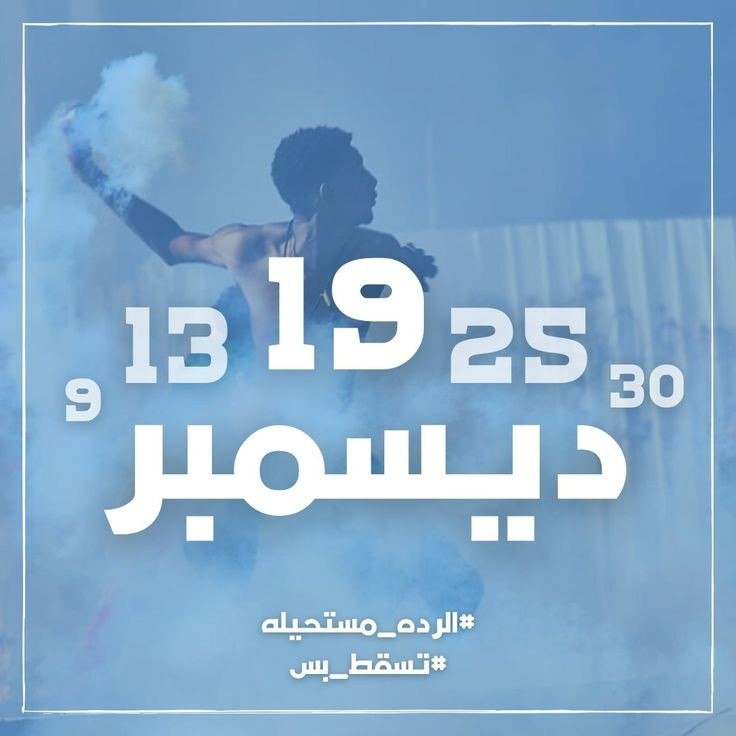
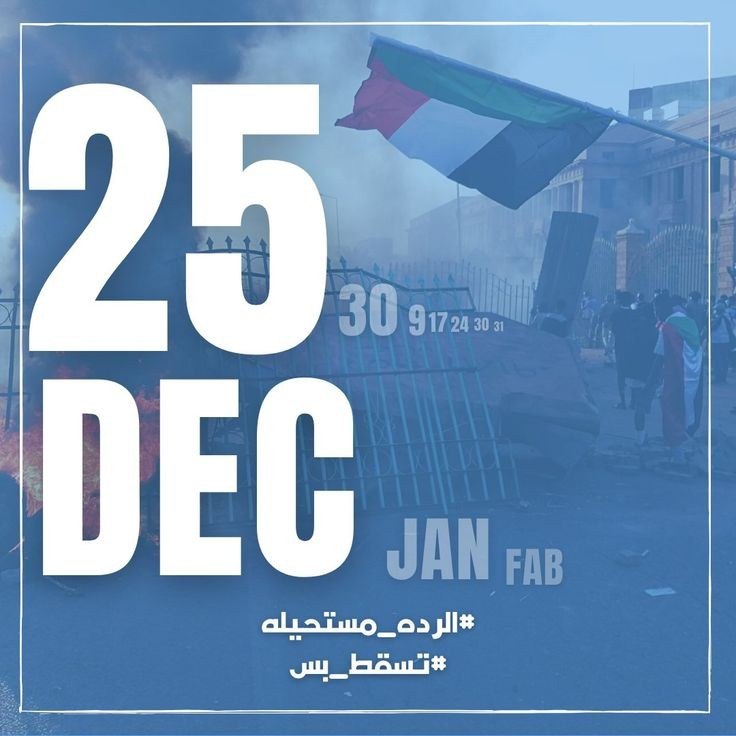
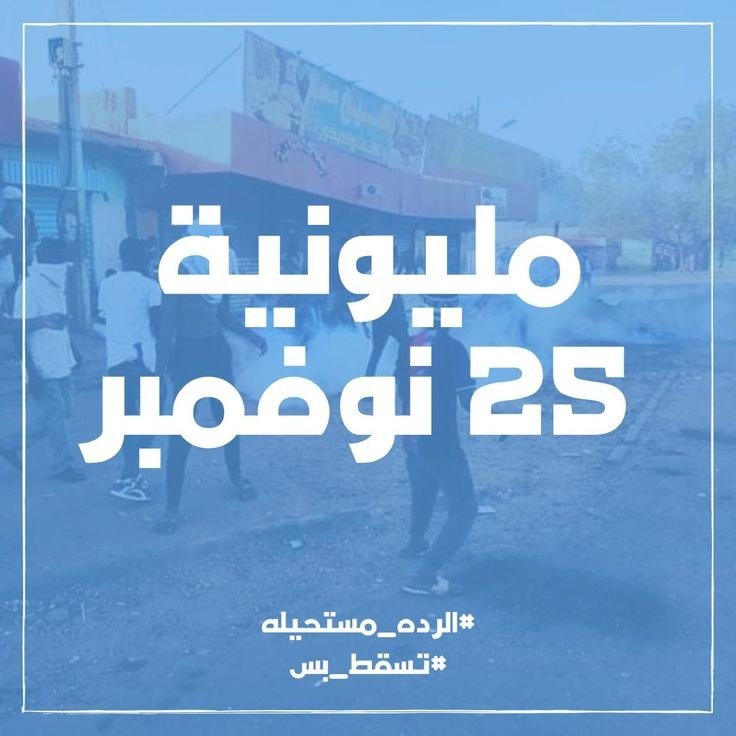
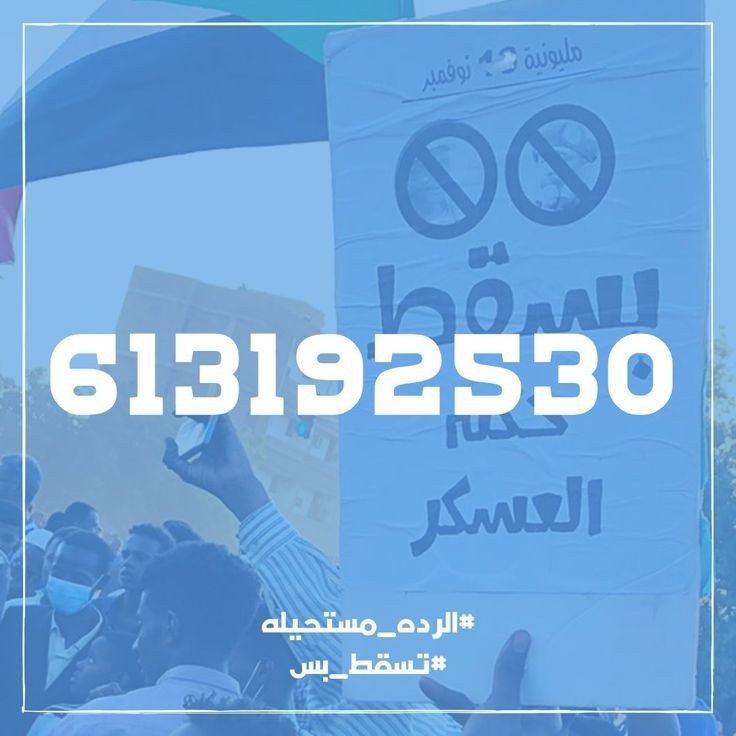
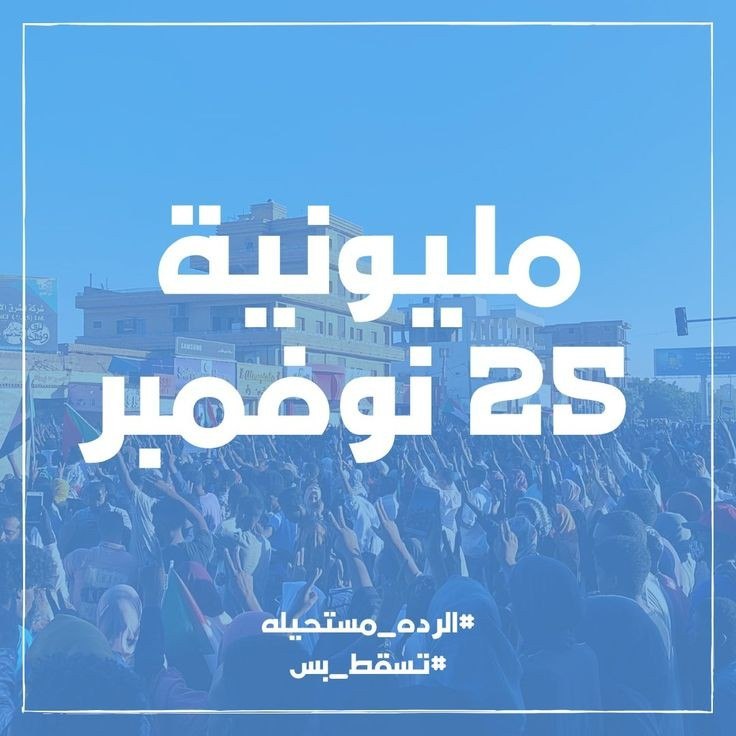
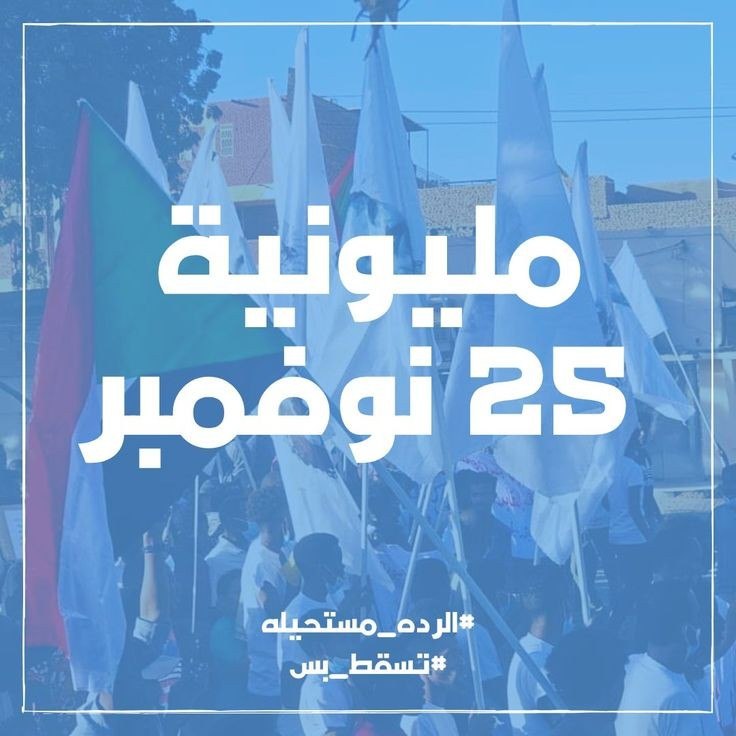
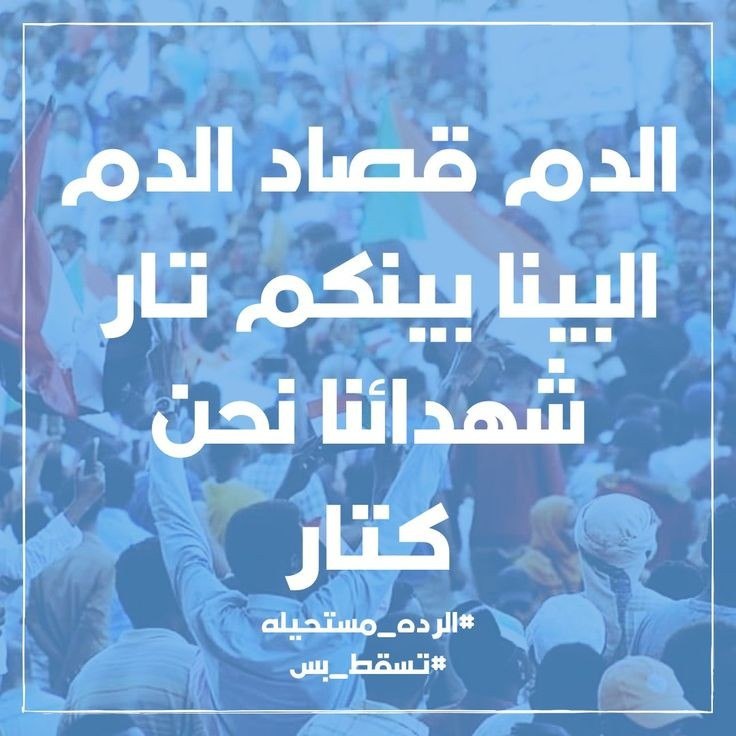
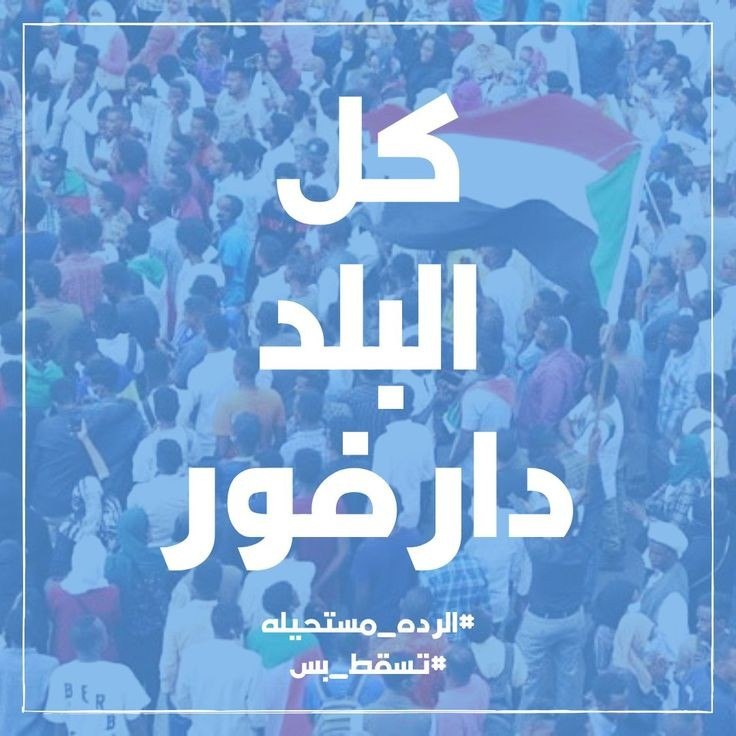
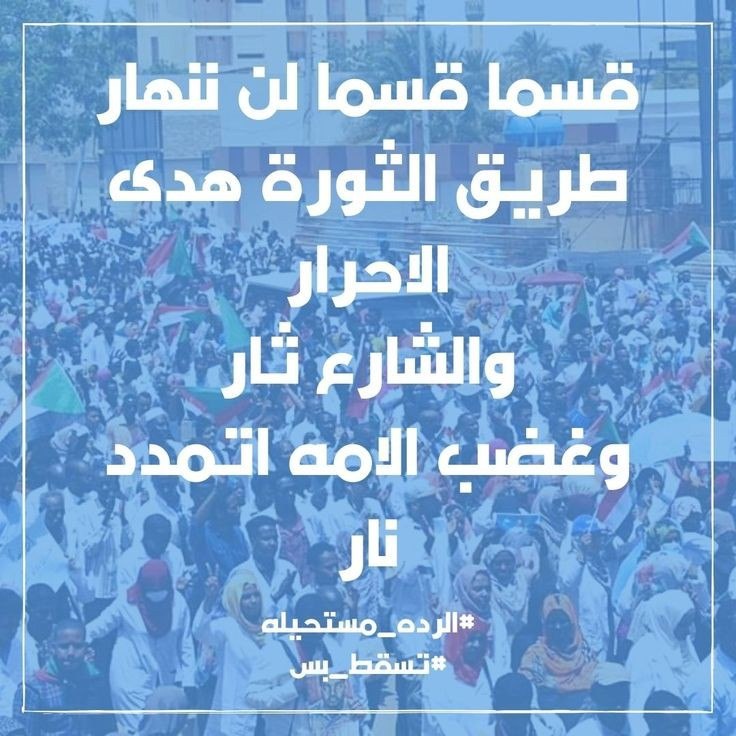
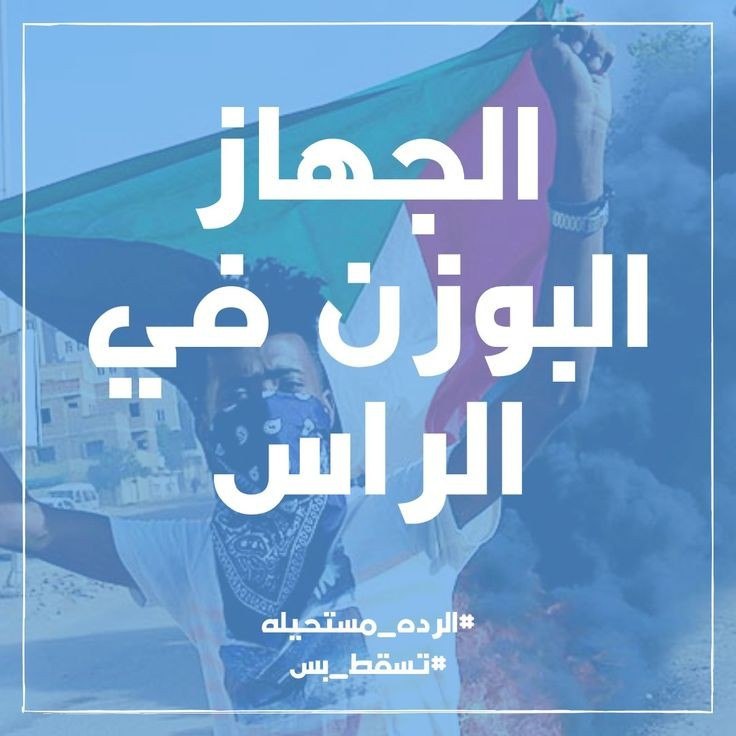
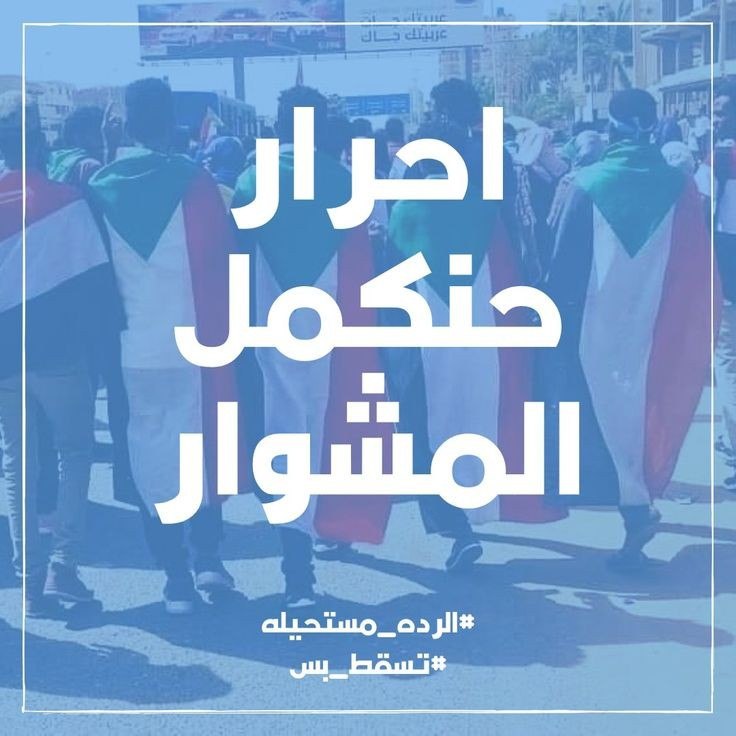
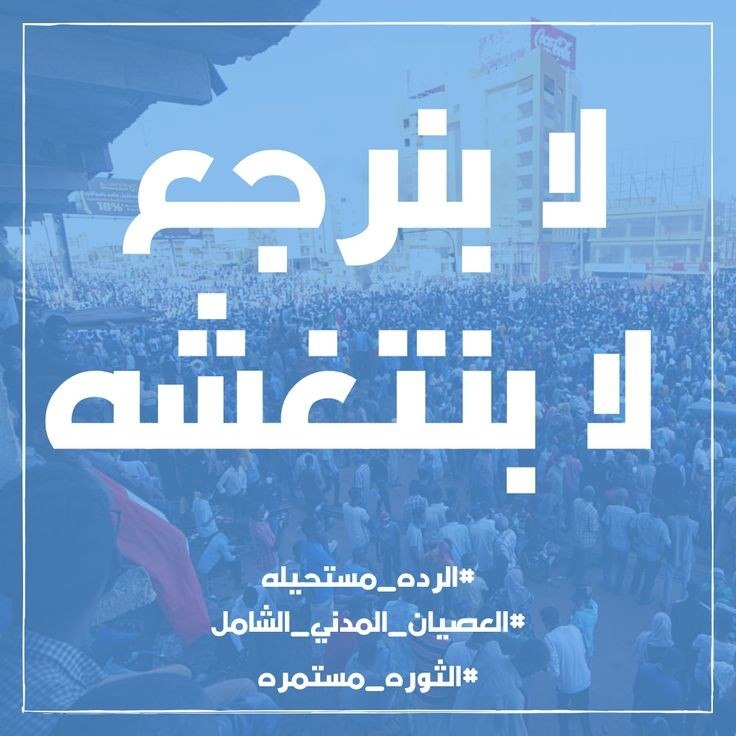
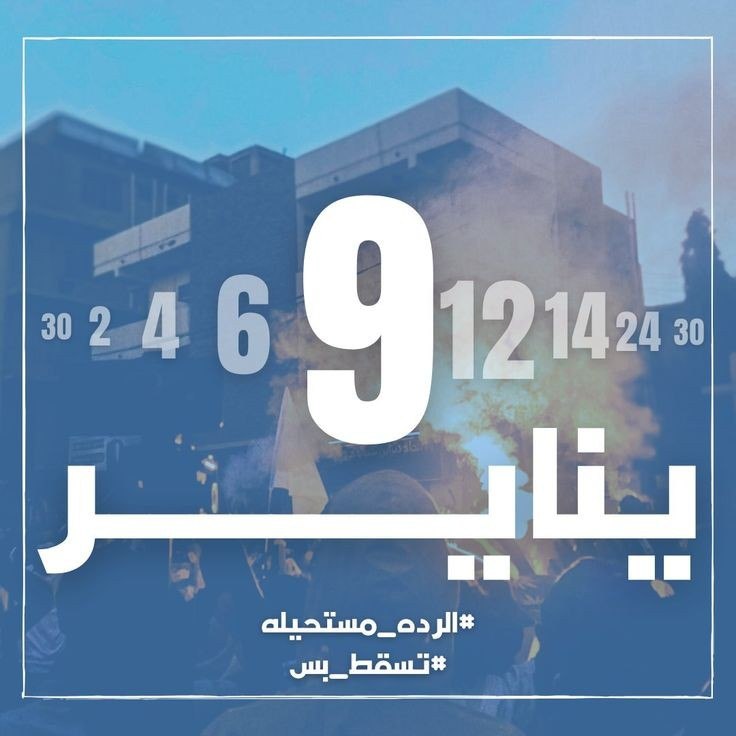
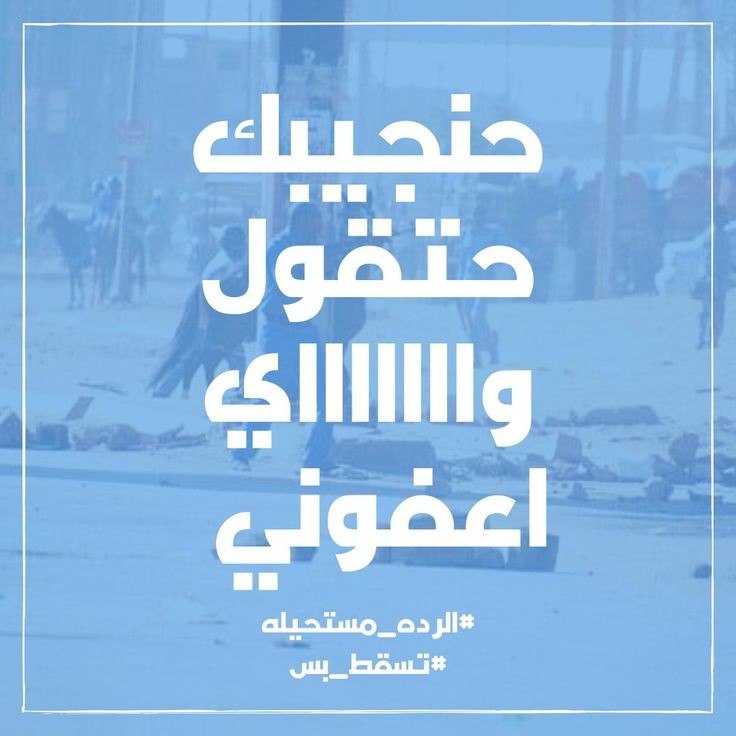
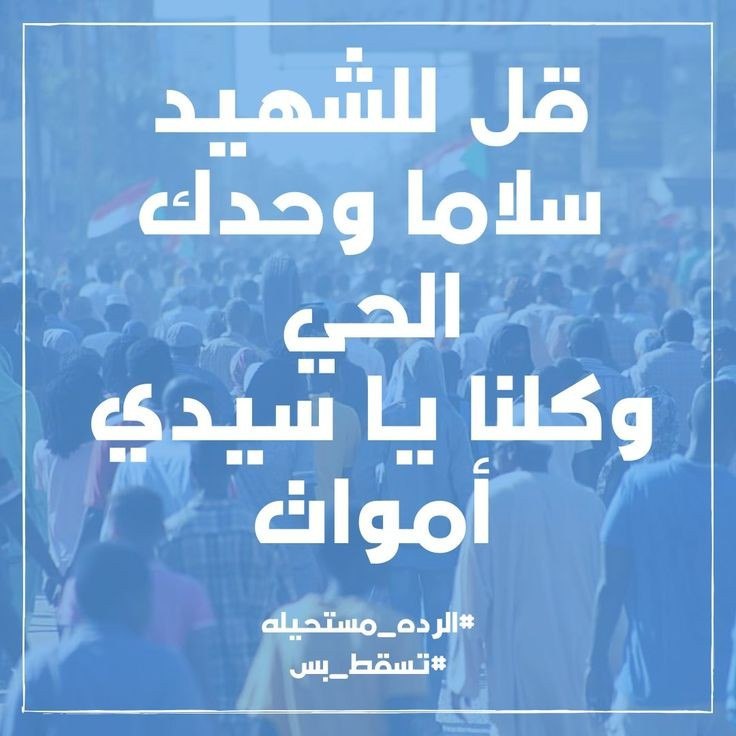
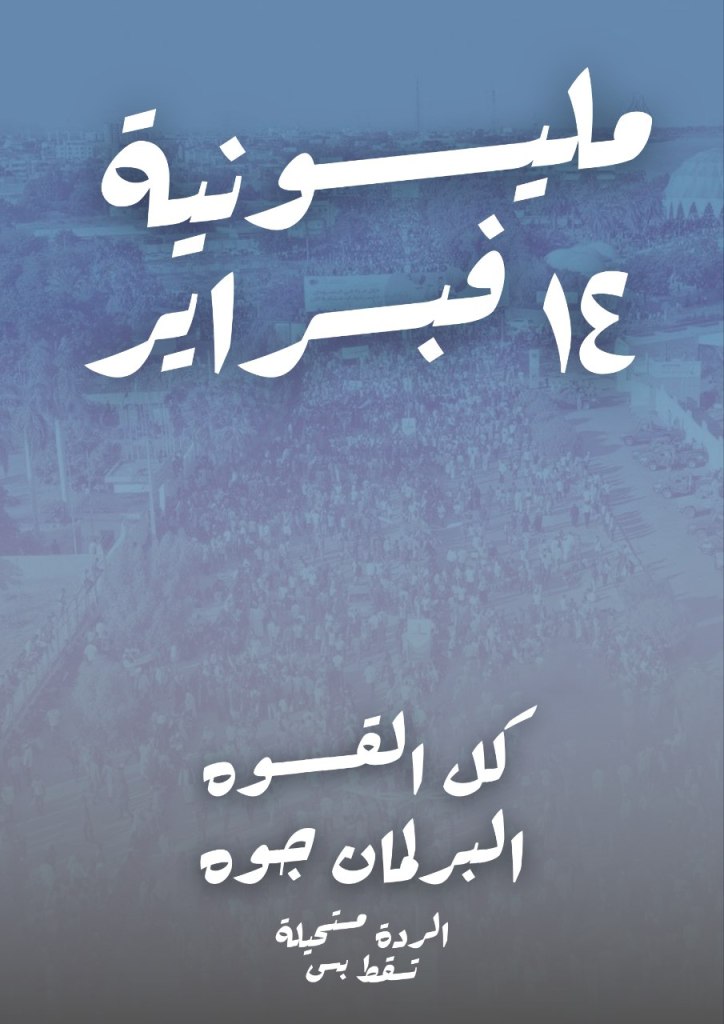
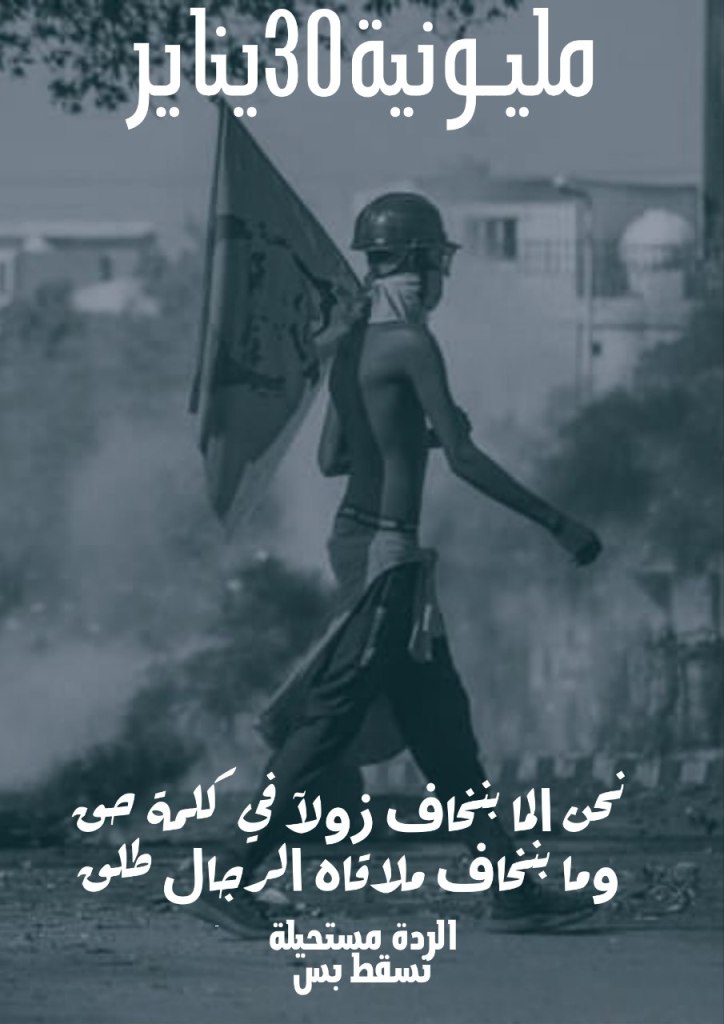
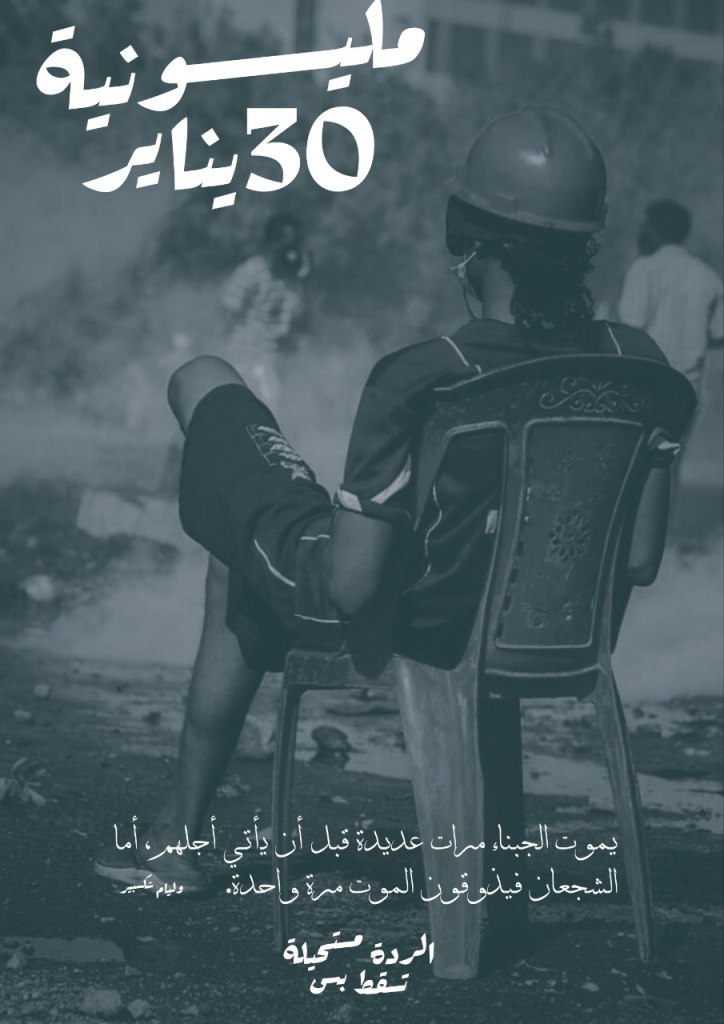
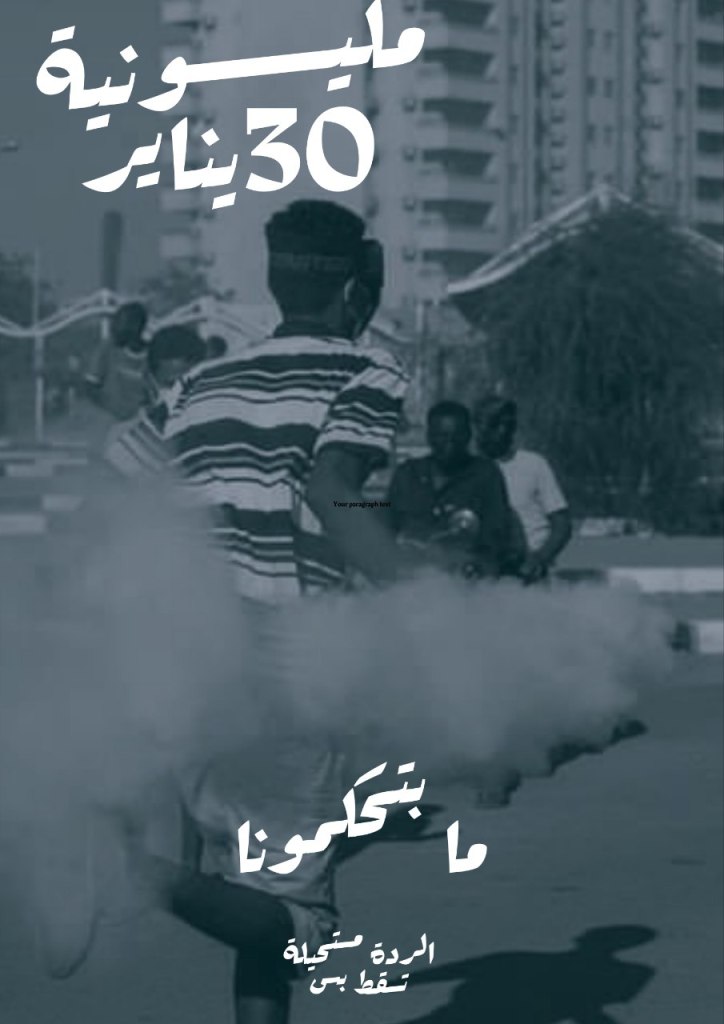
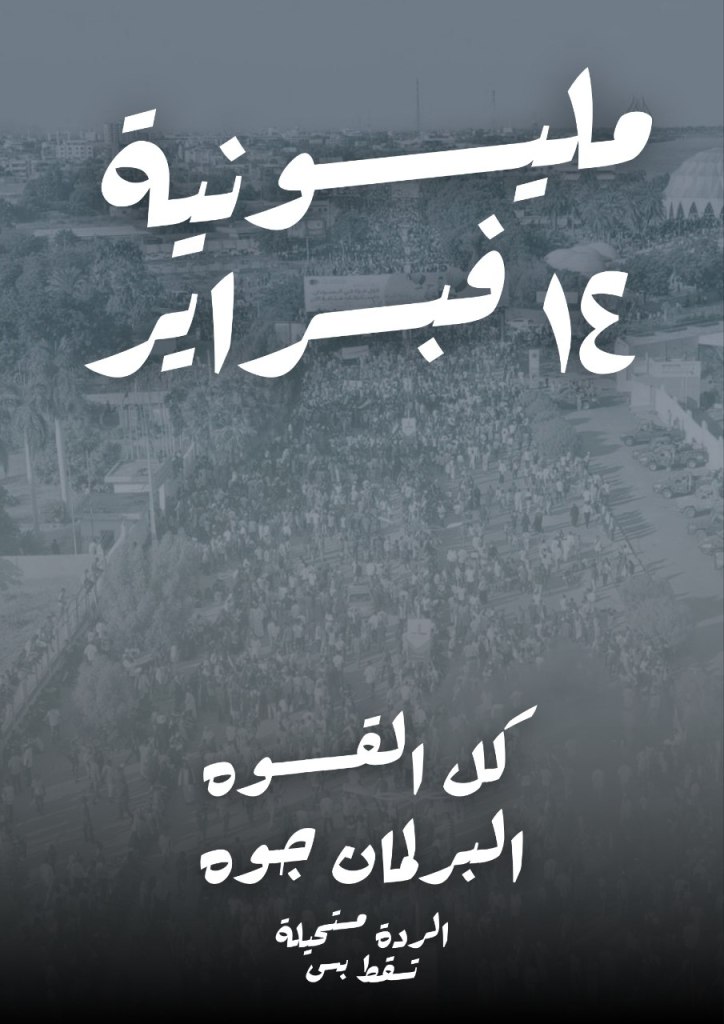
Now, young Sudanese women are at the heart of the uprising with the slogan
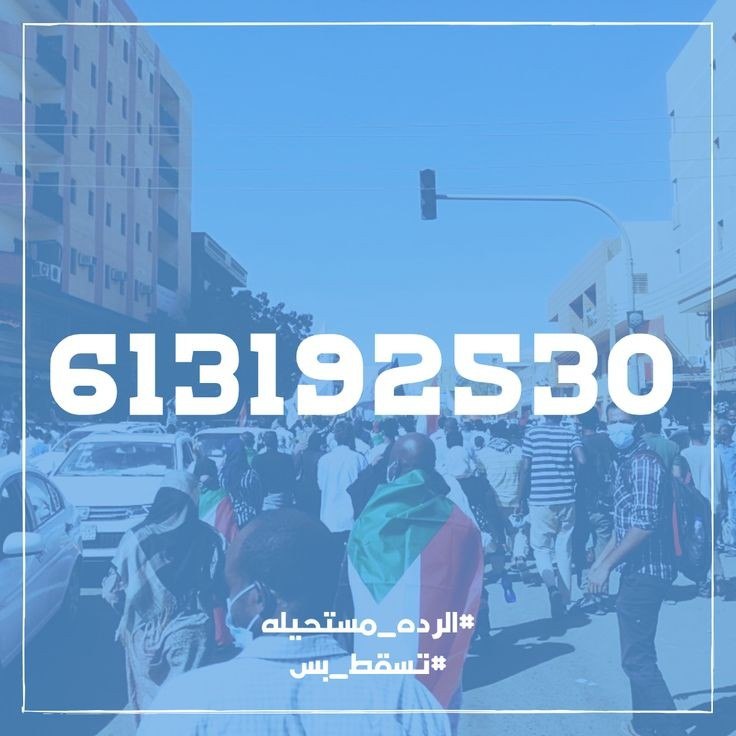
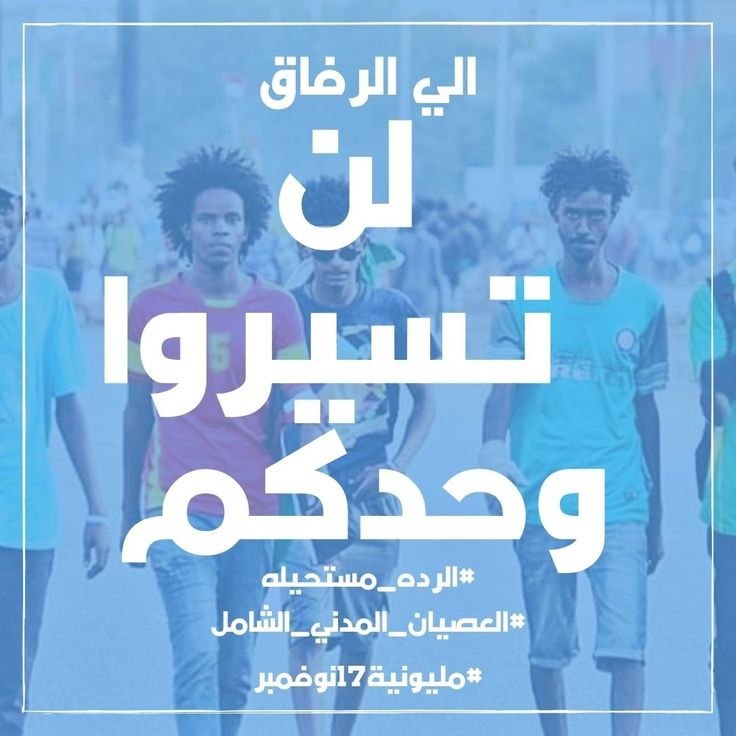
“Just fall that’s all!”
“We want a civil state that respects human rights and diversities ”

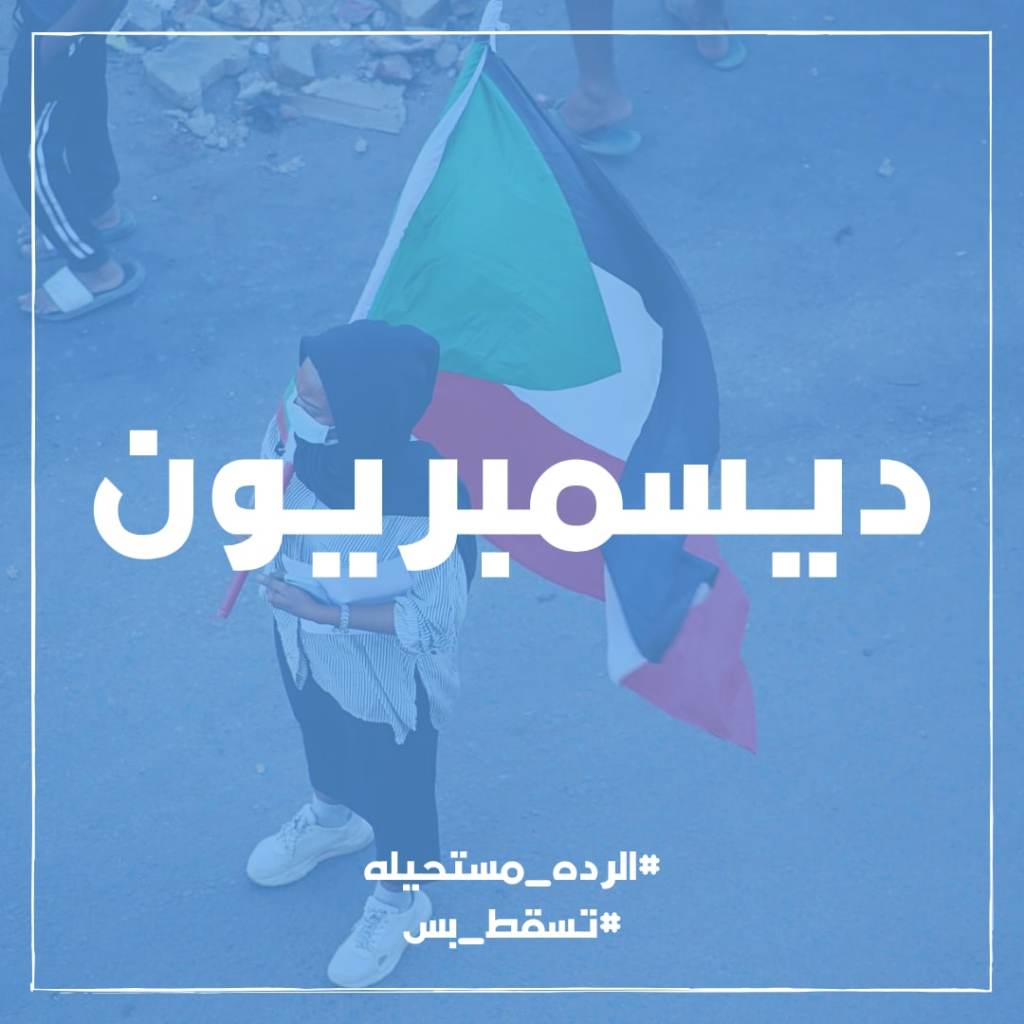
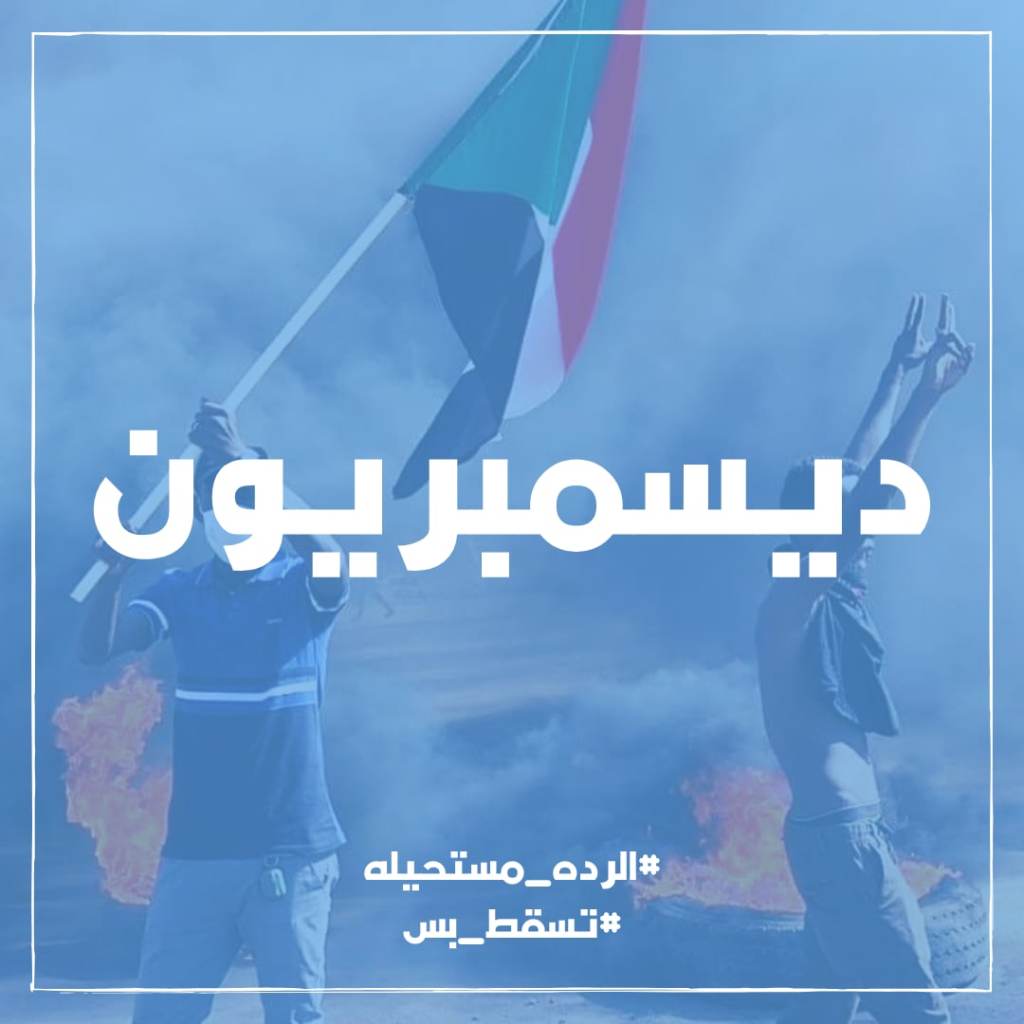
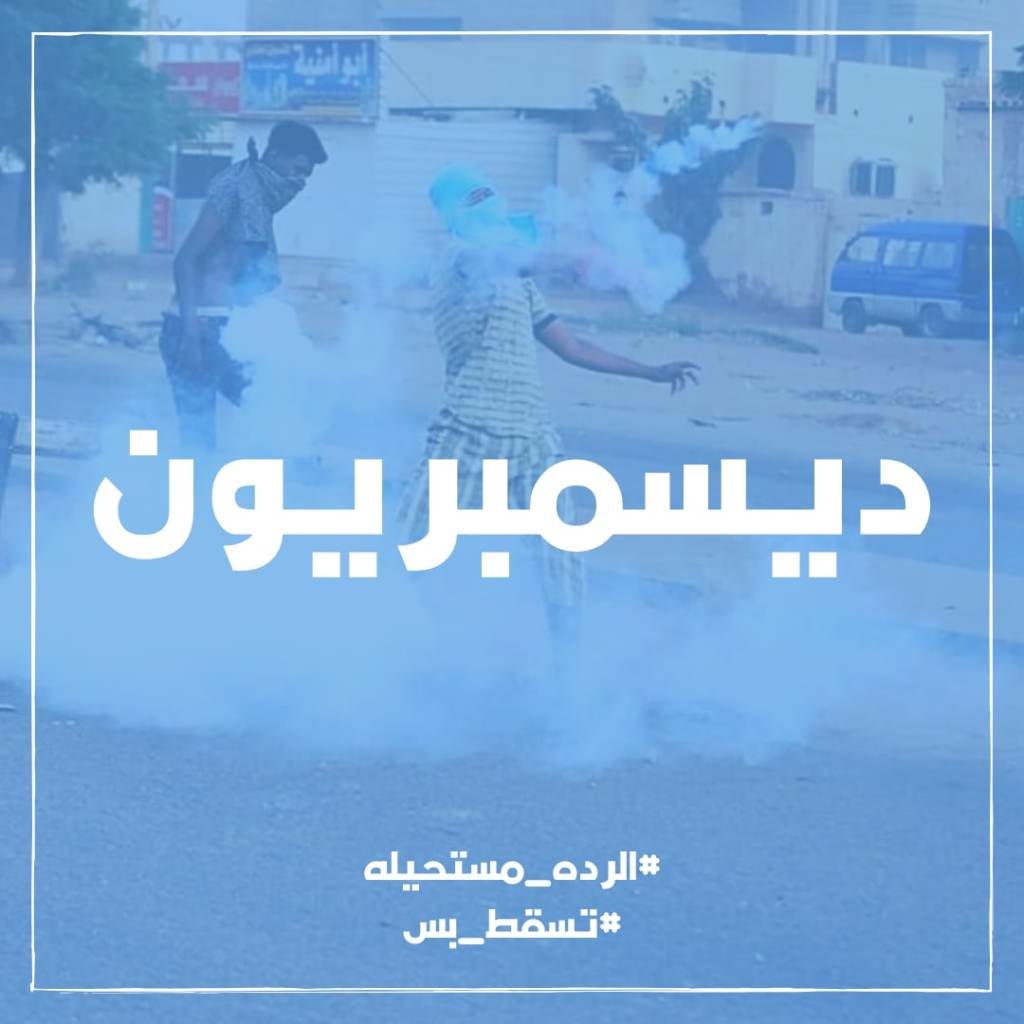
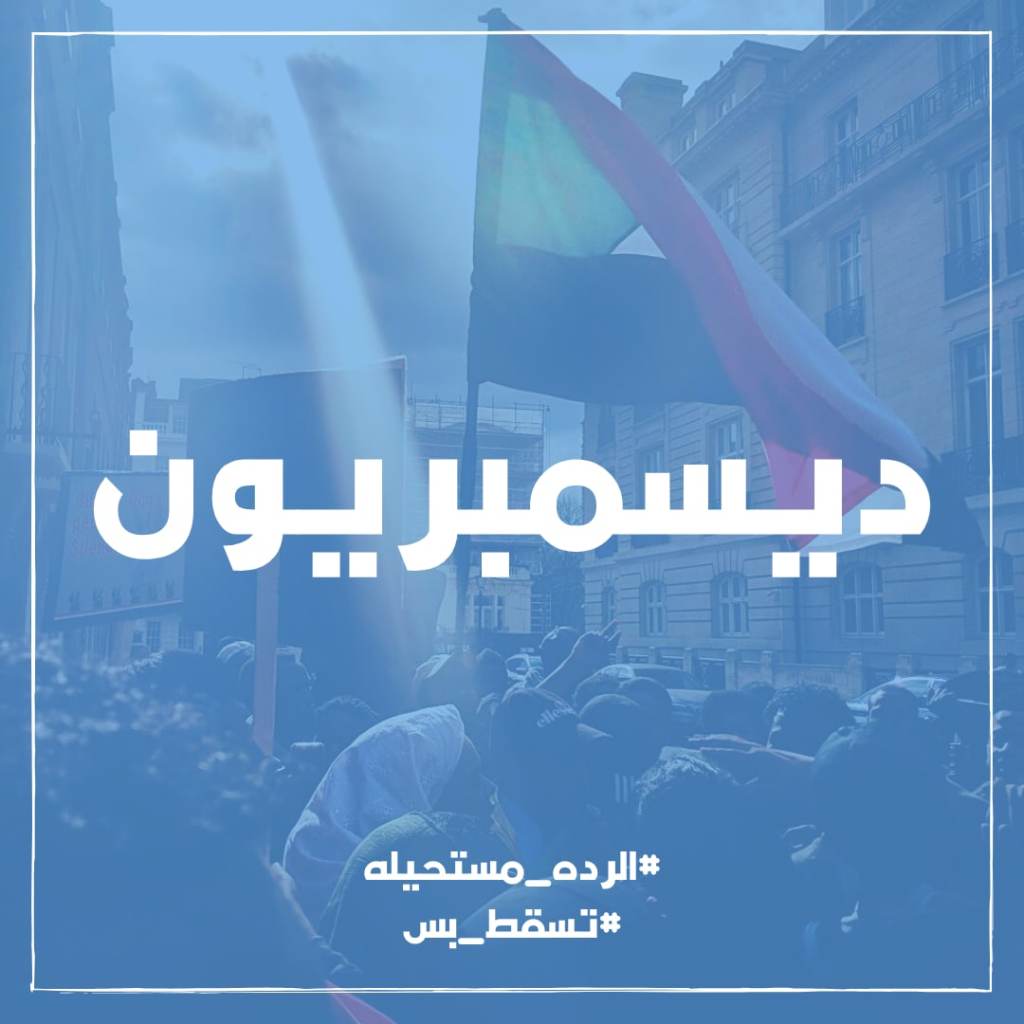
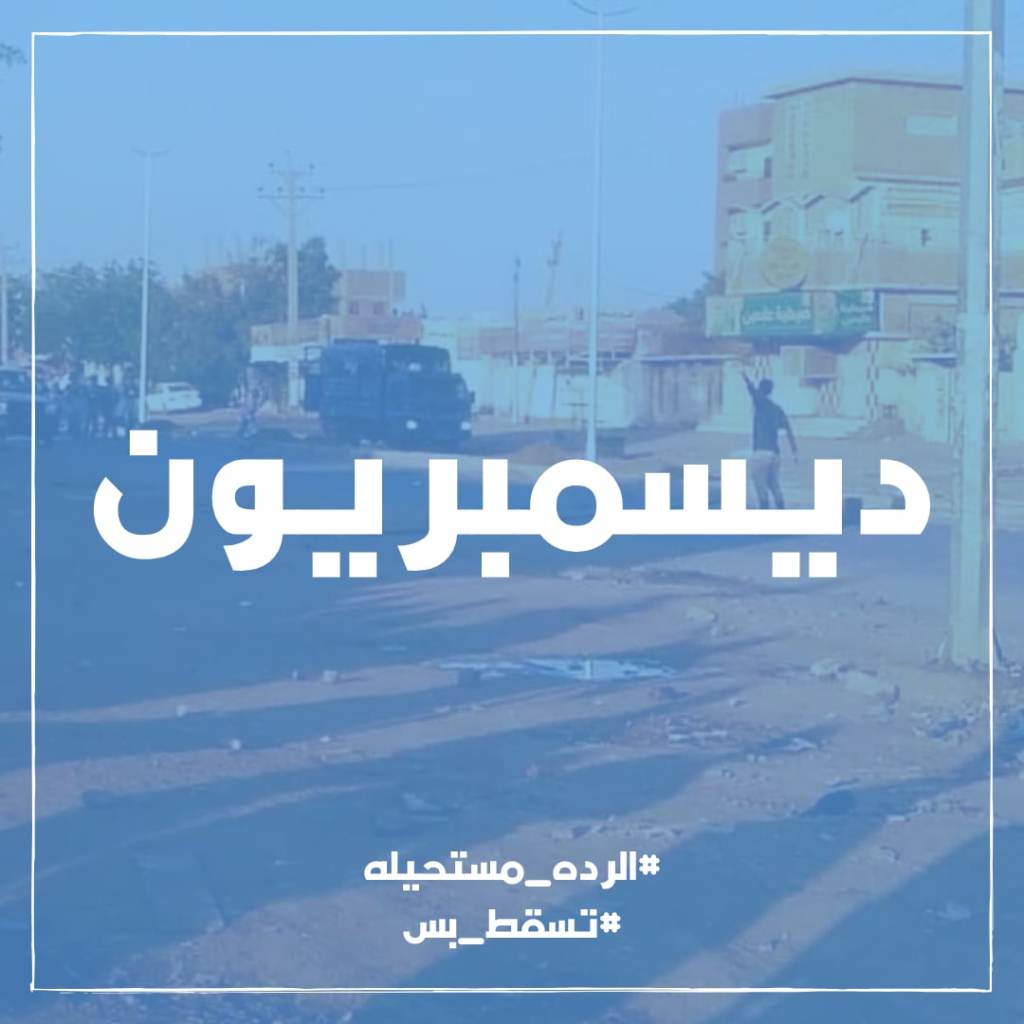
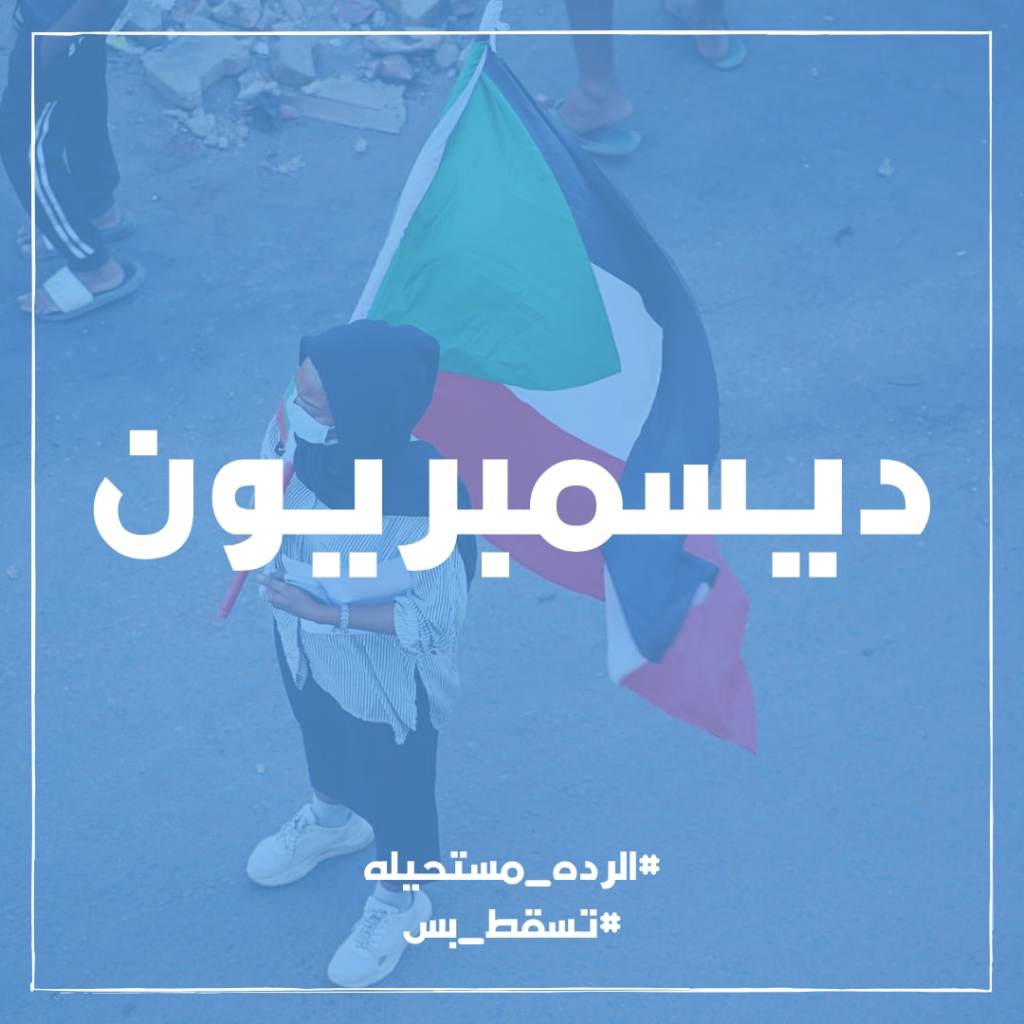
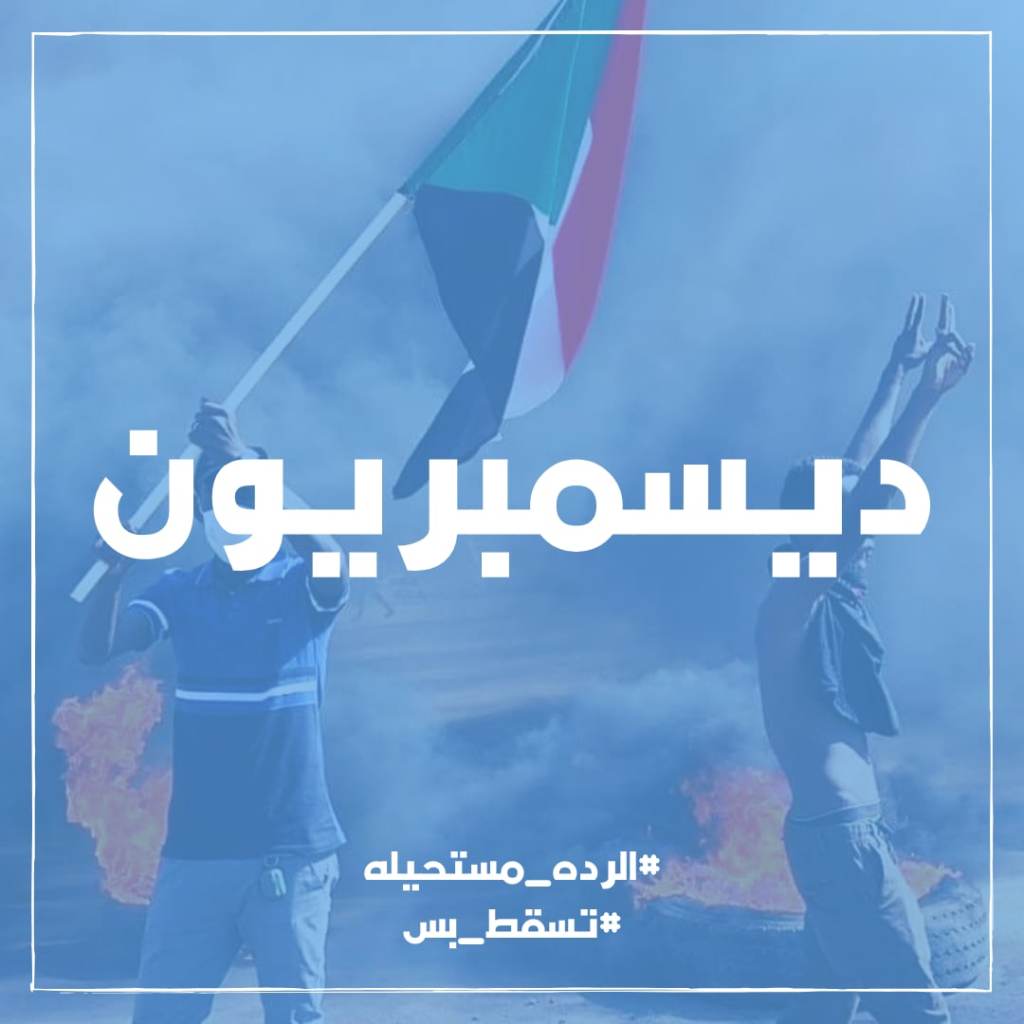
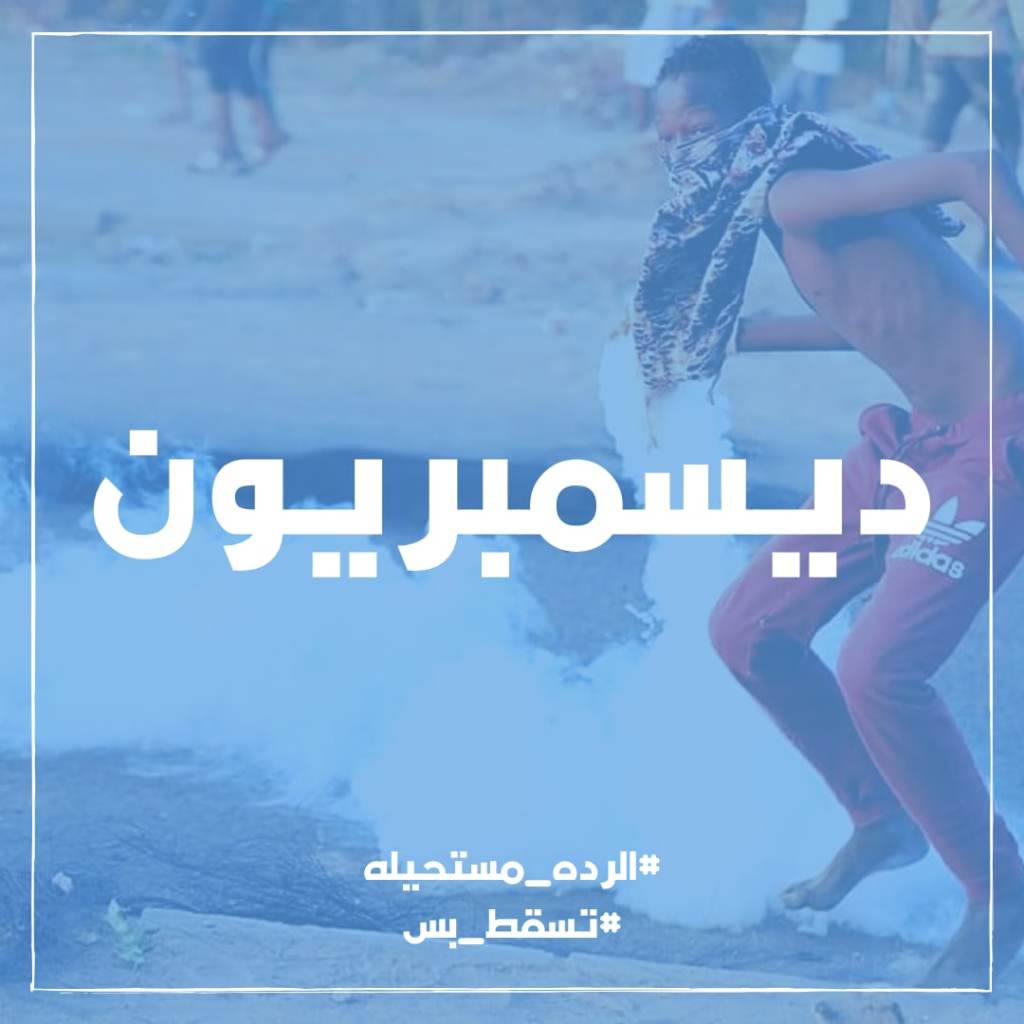
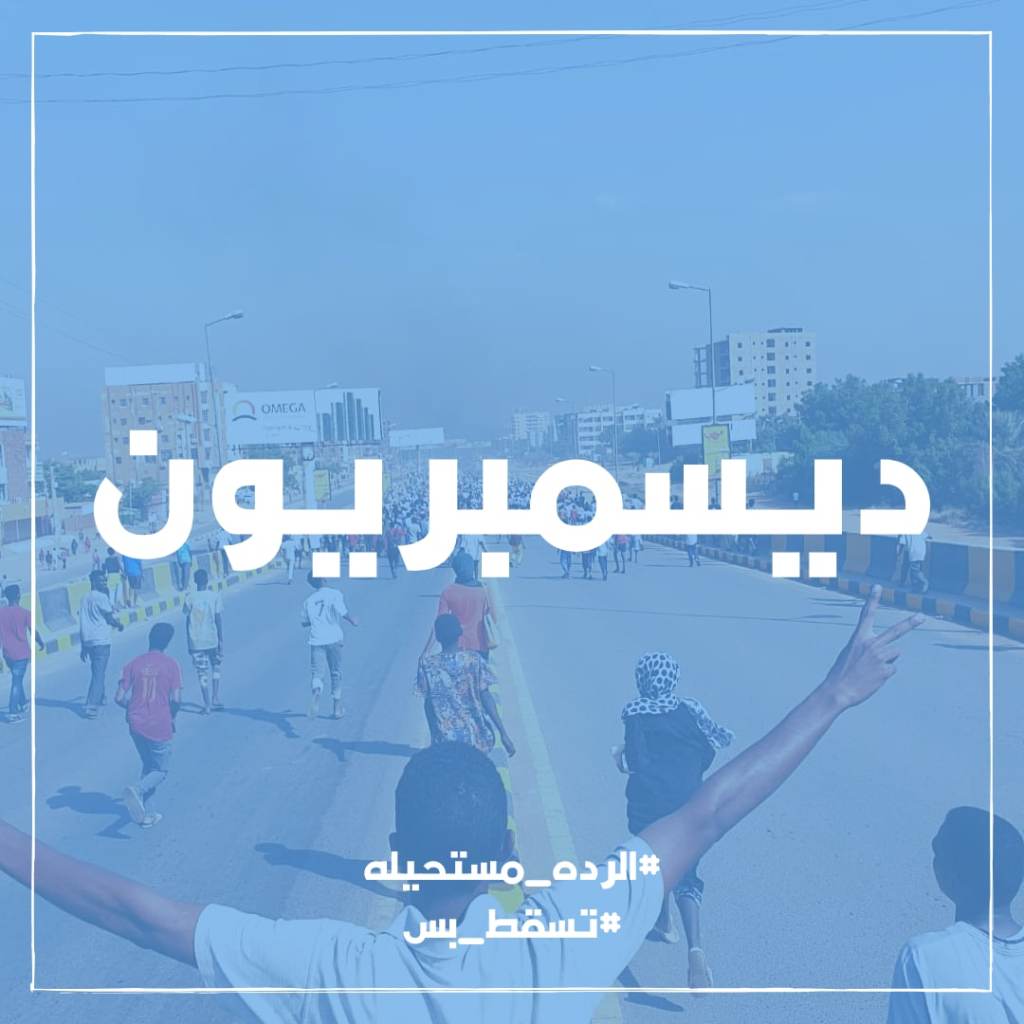
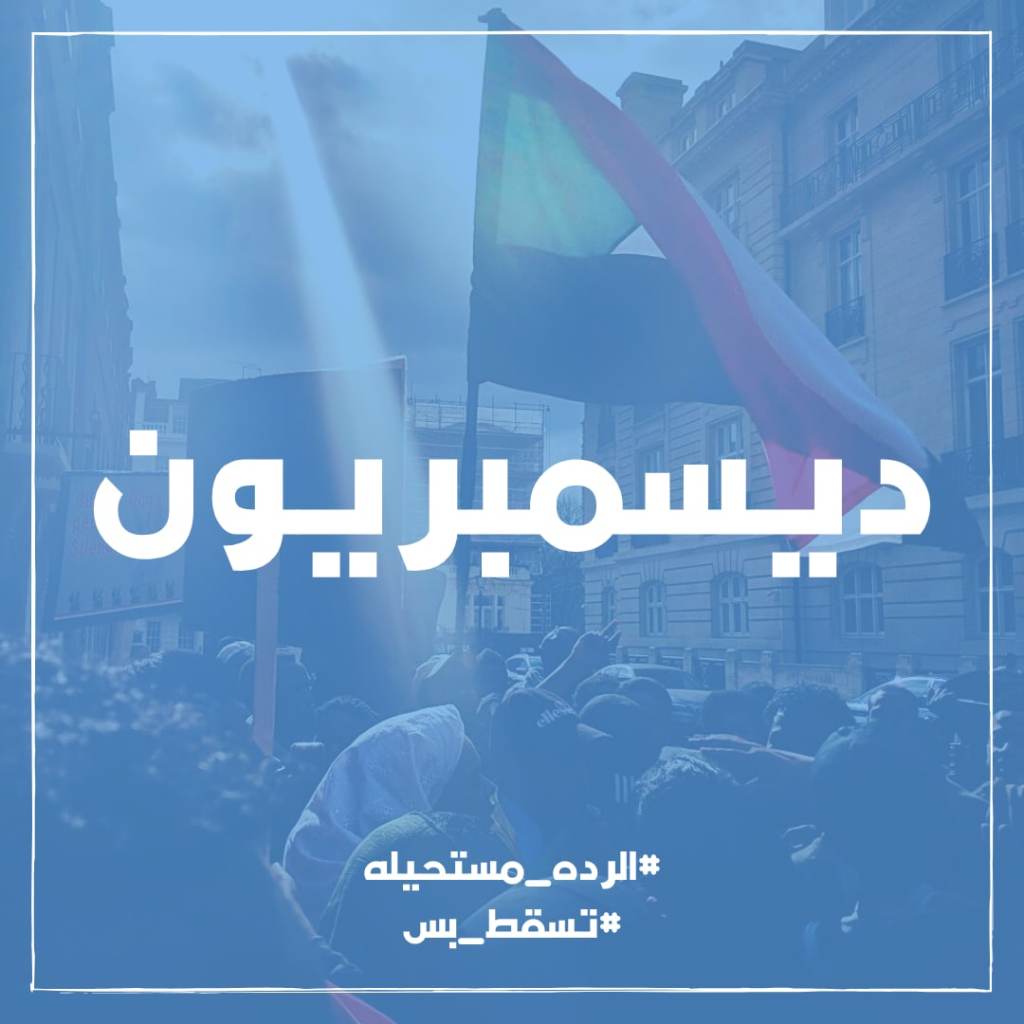
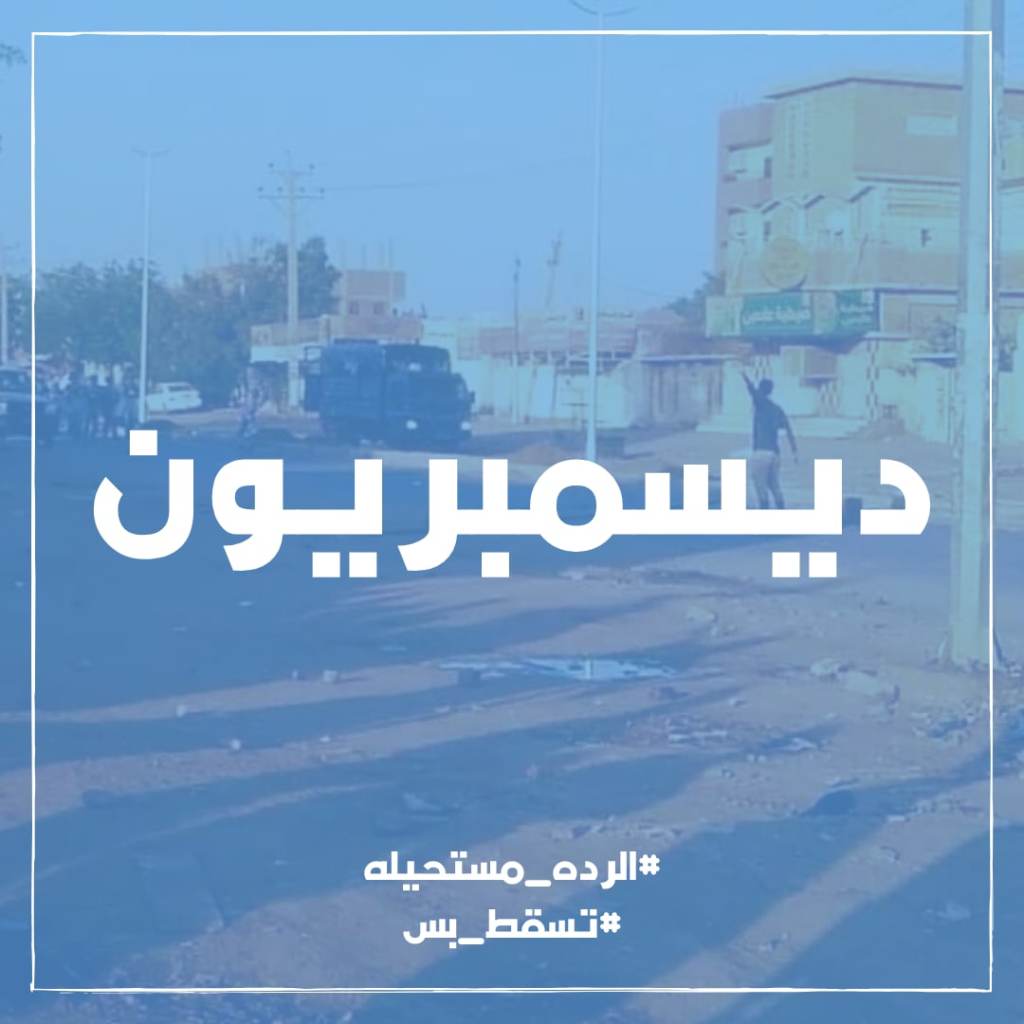
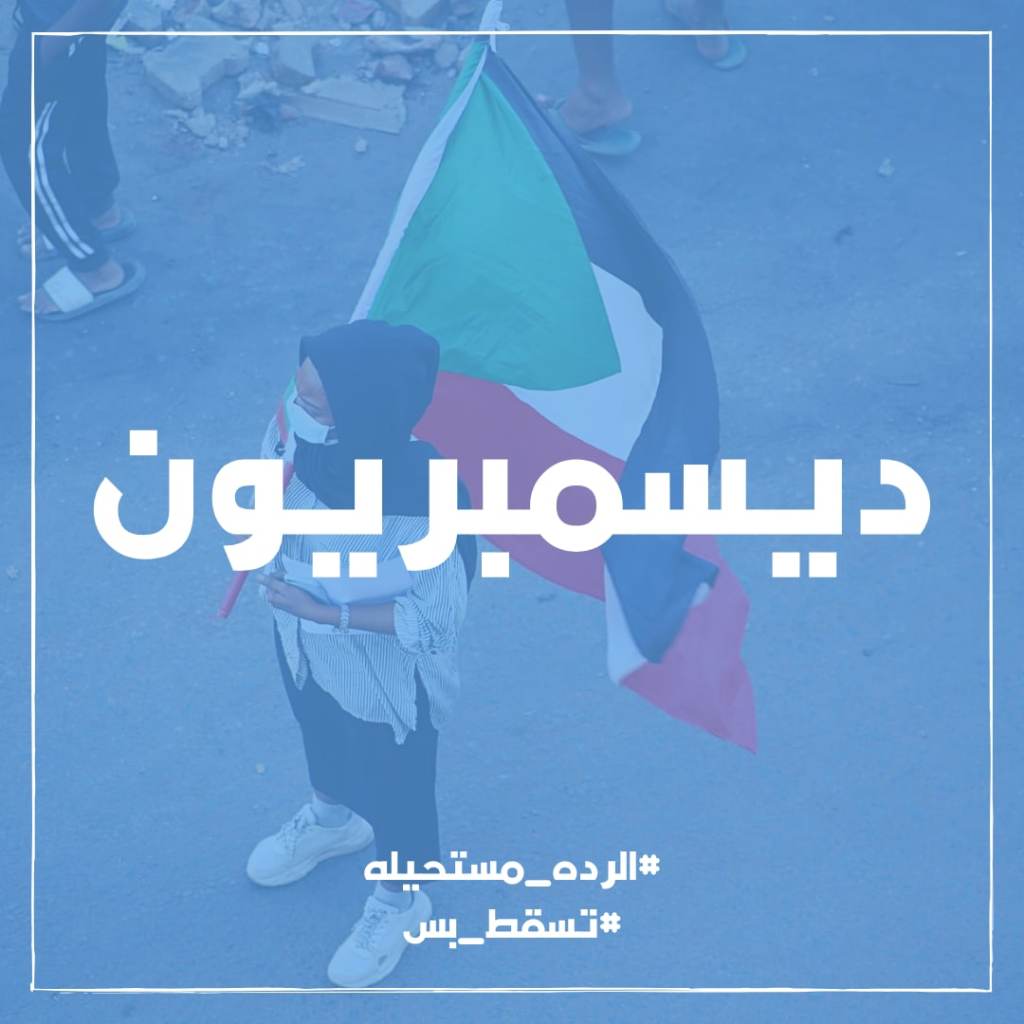
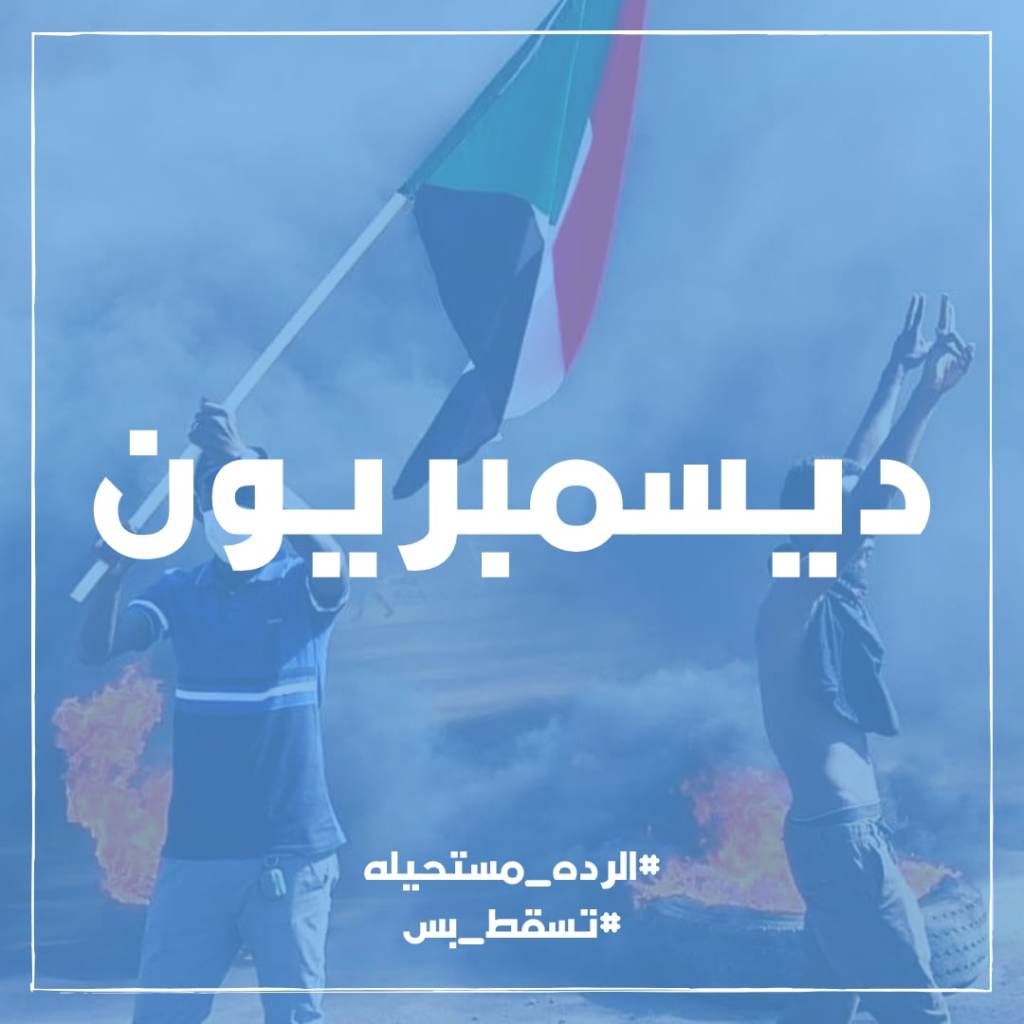
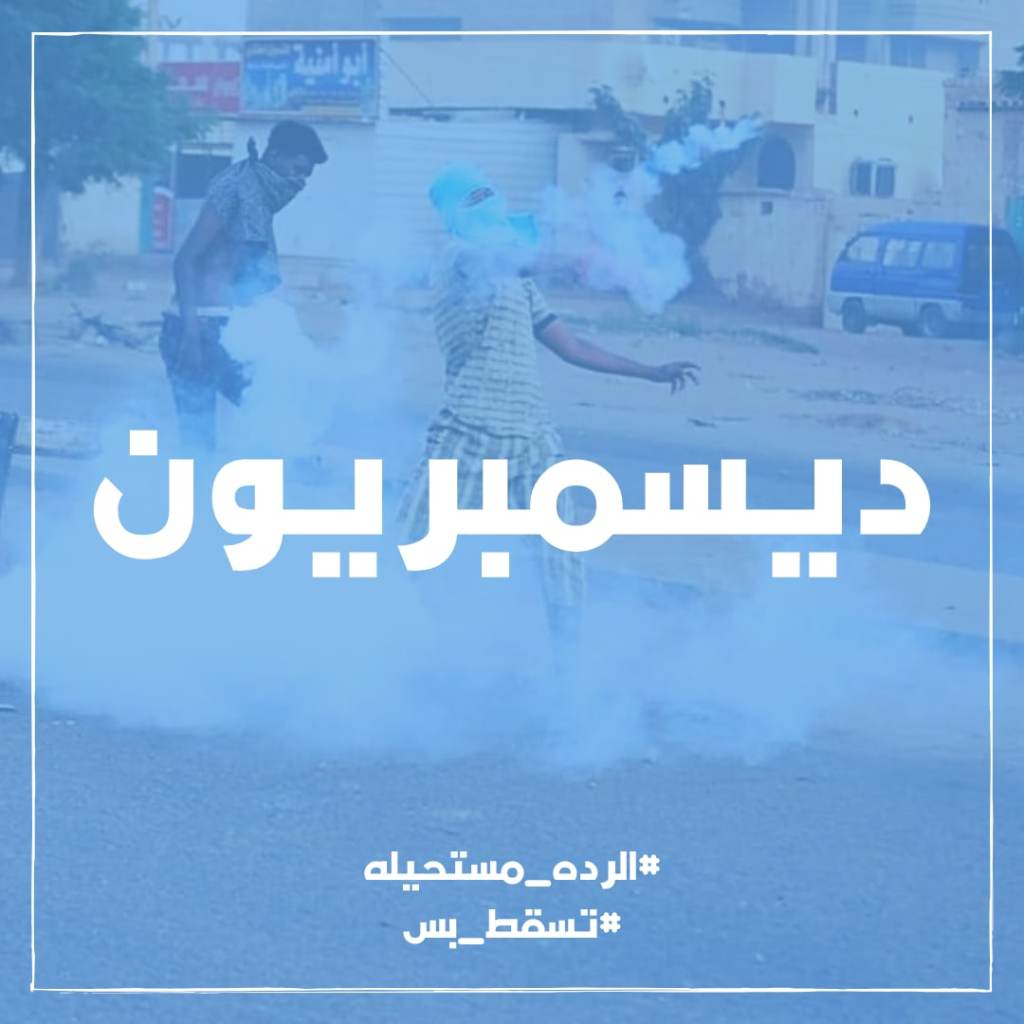
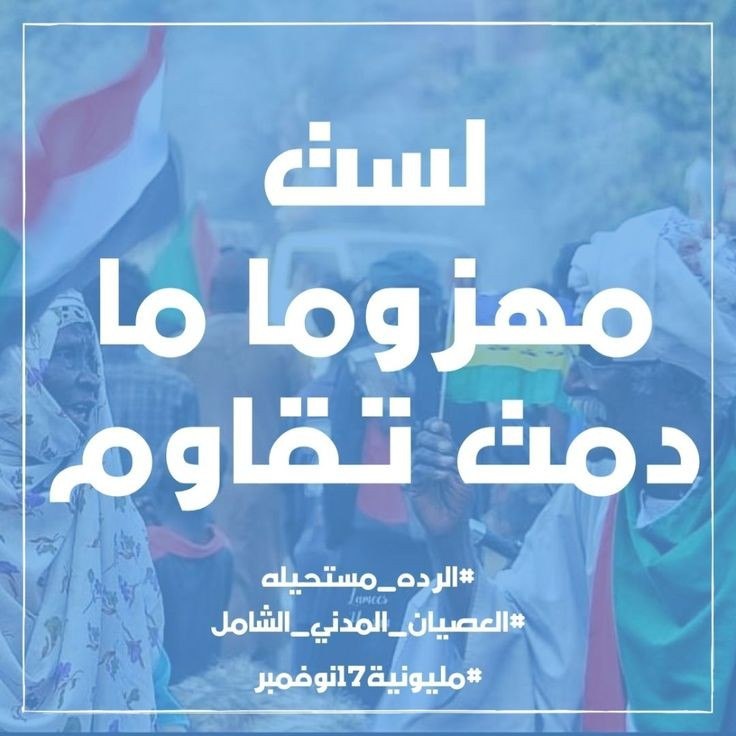
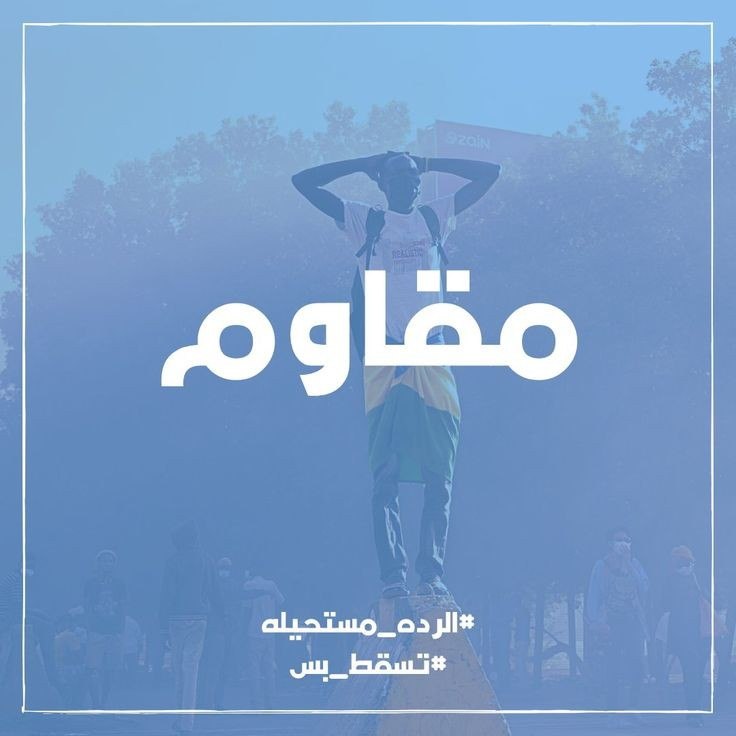
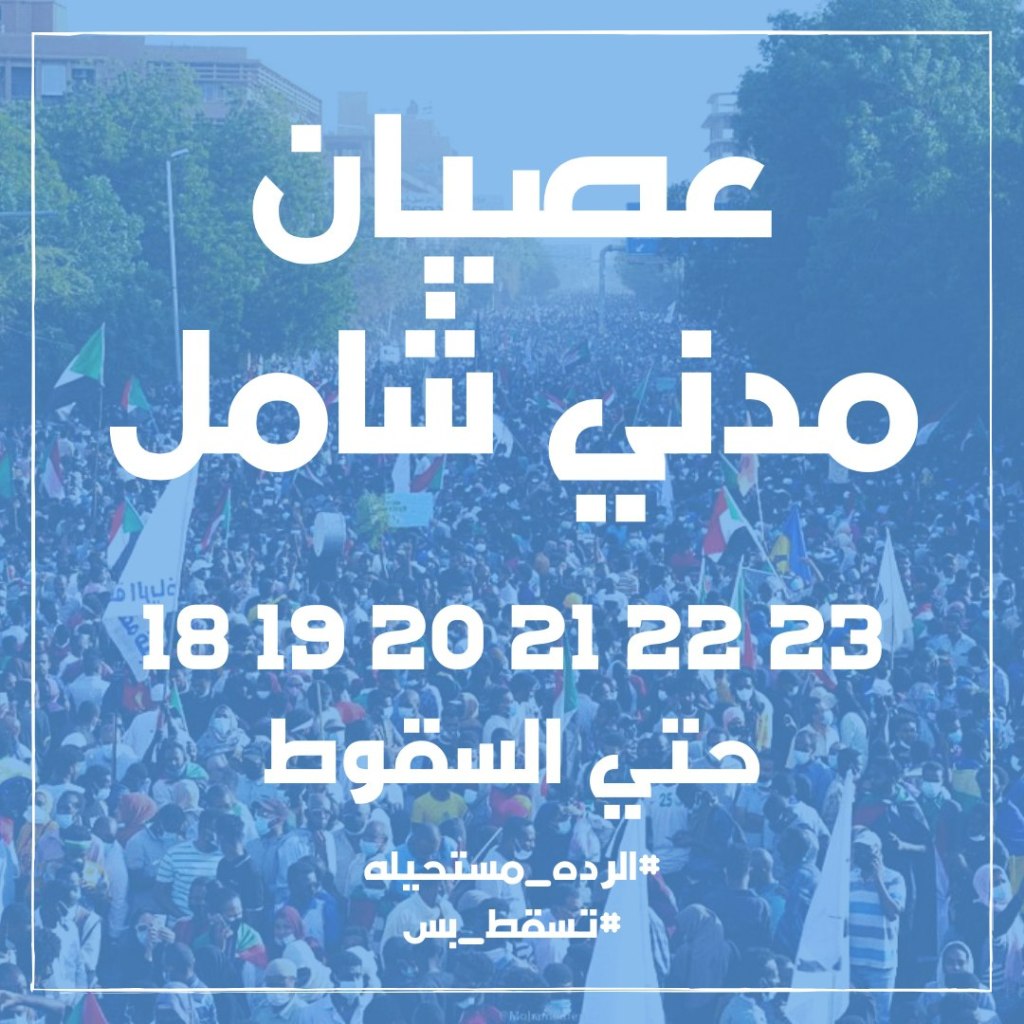
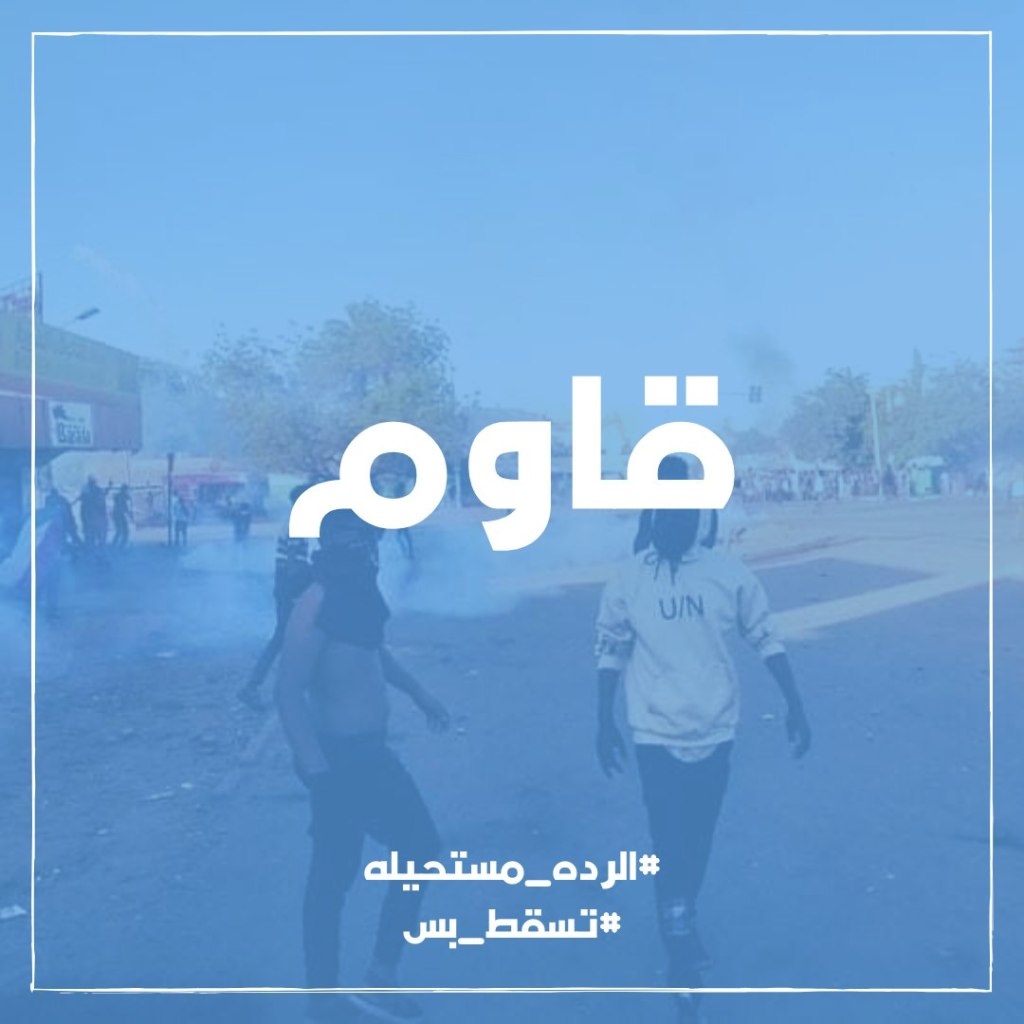
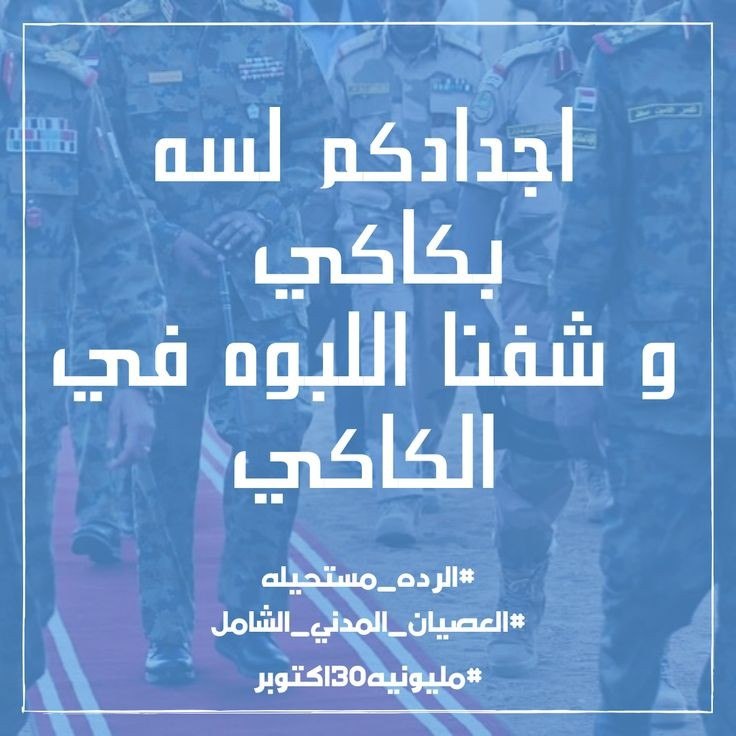
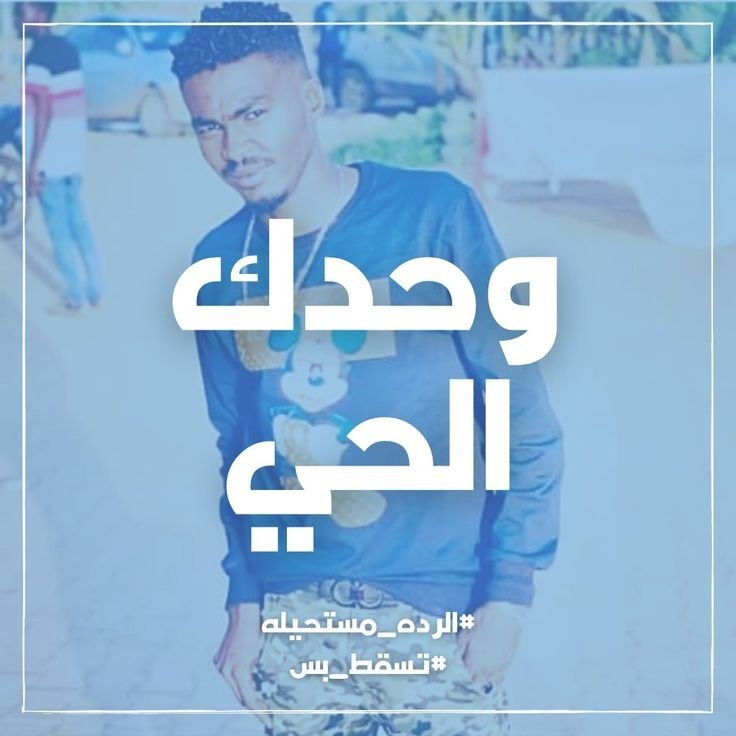
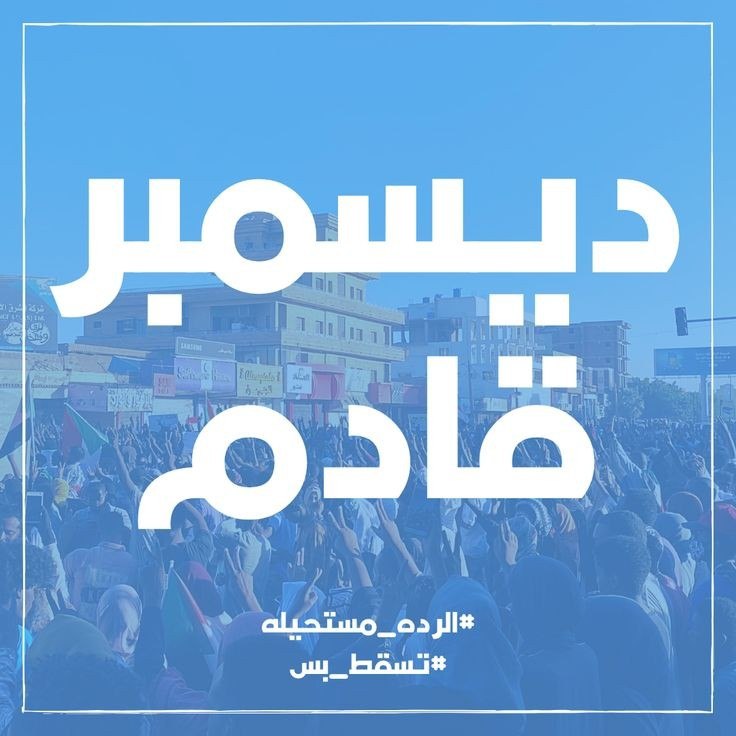
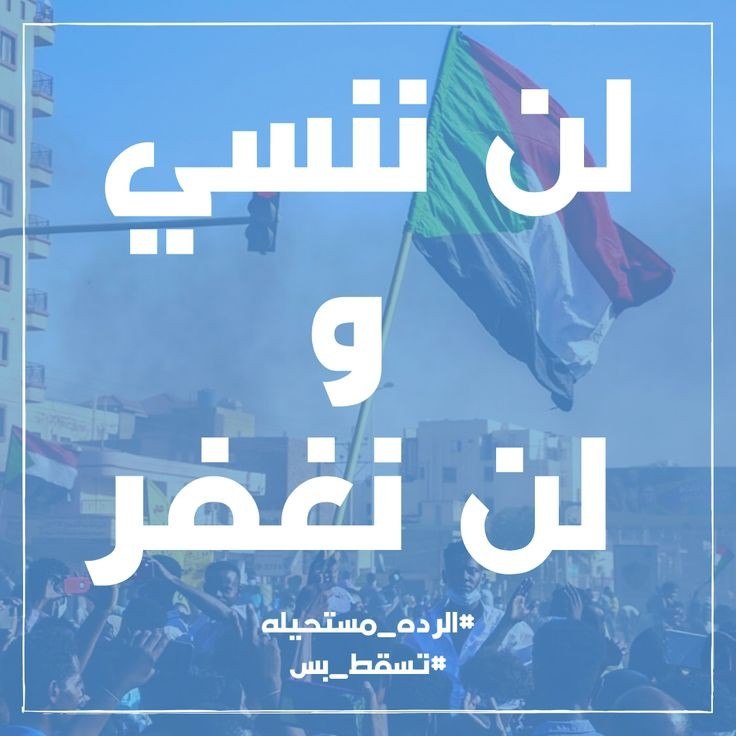
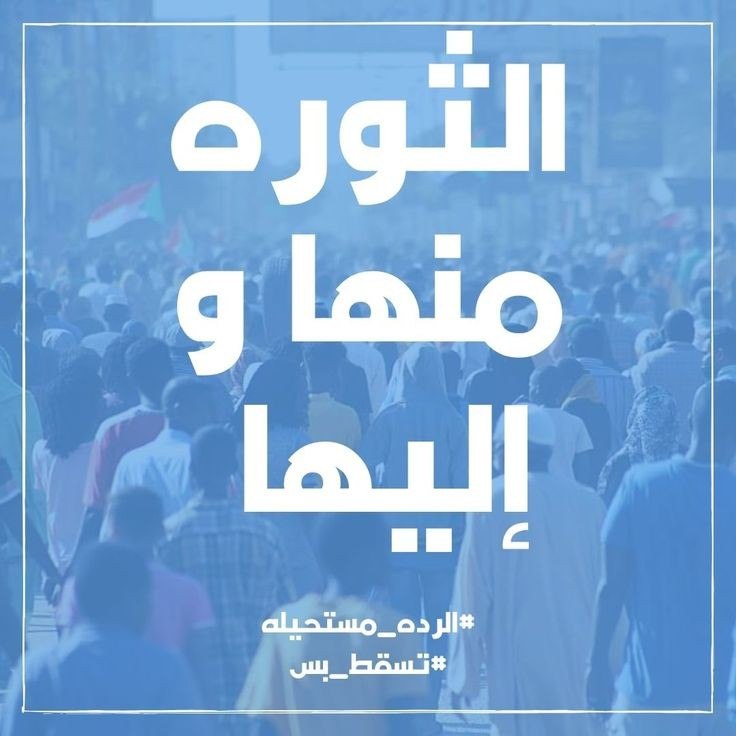
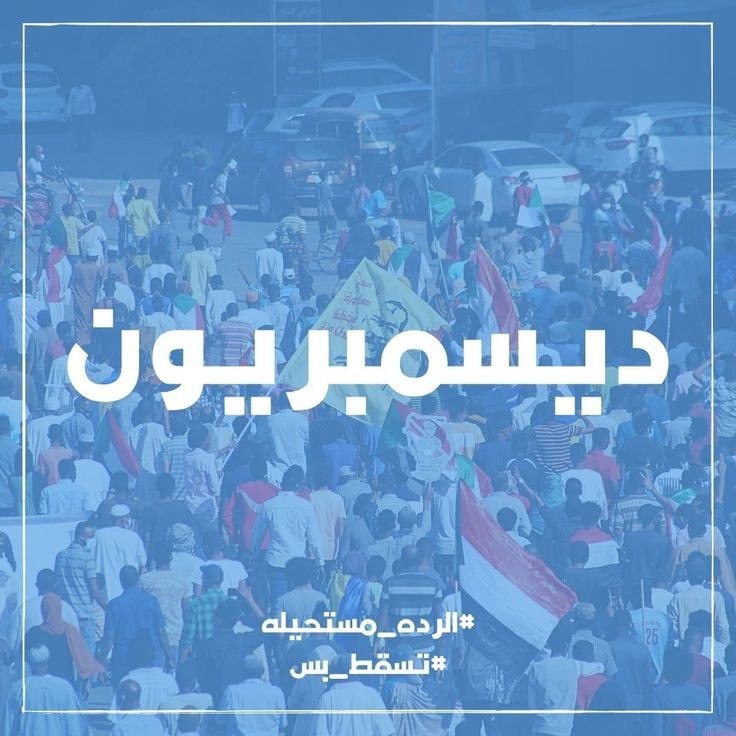
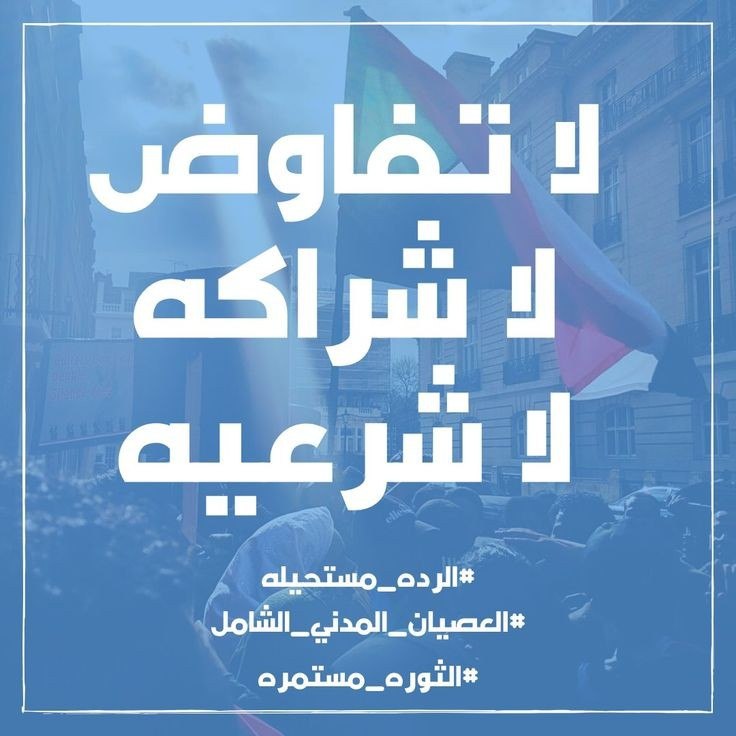
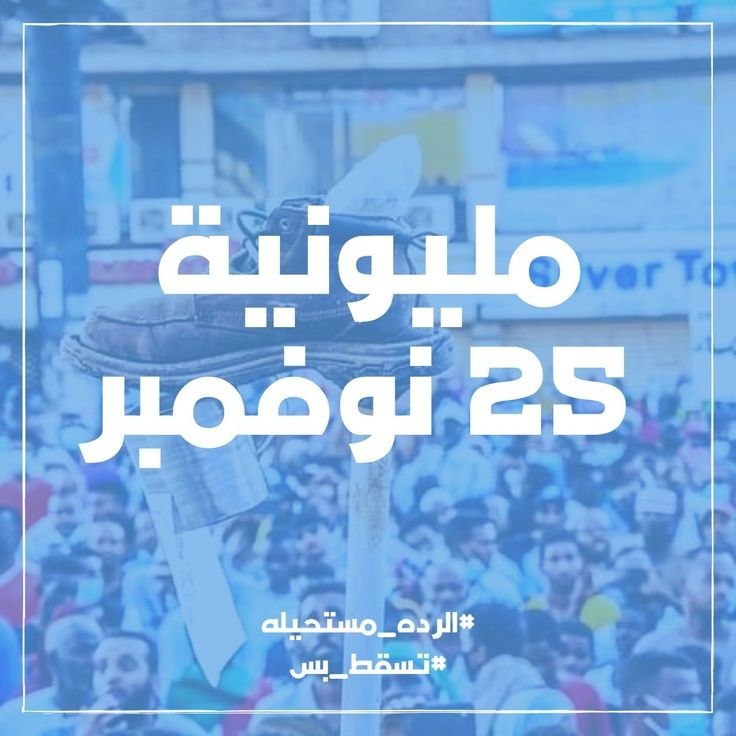

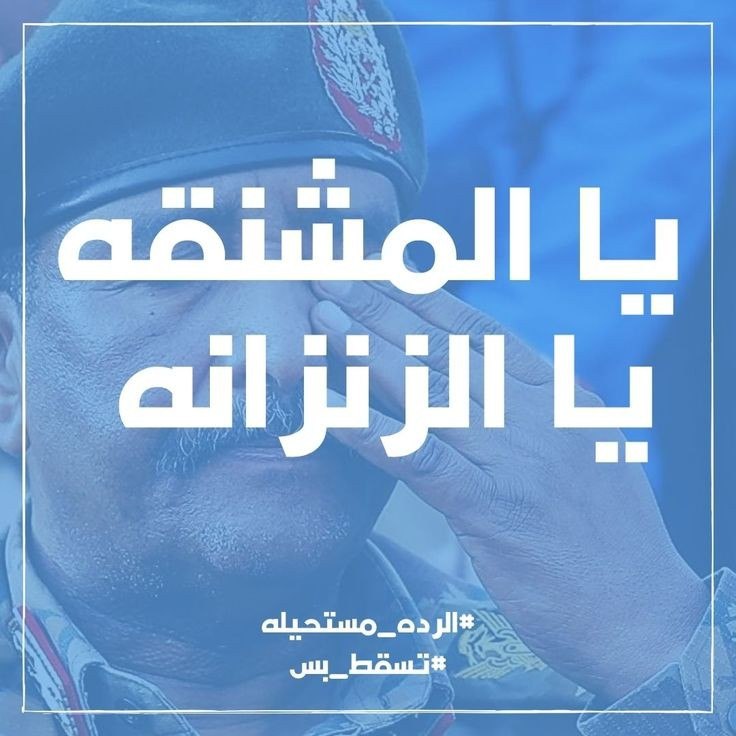
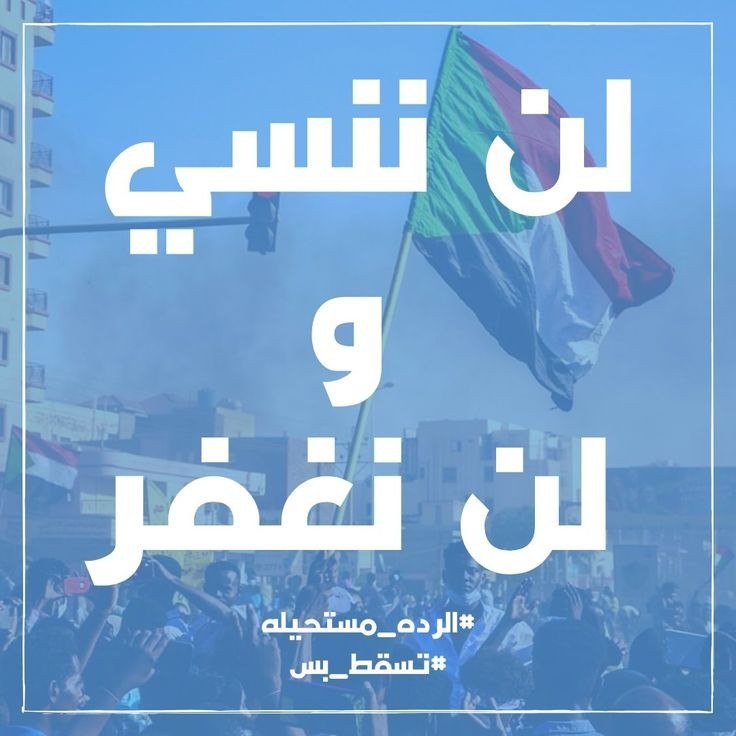
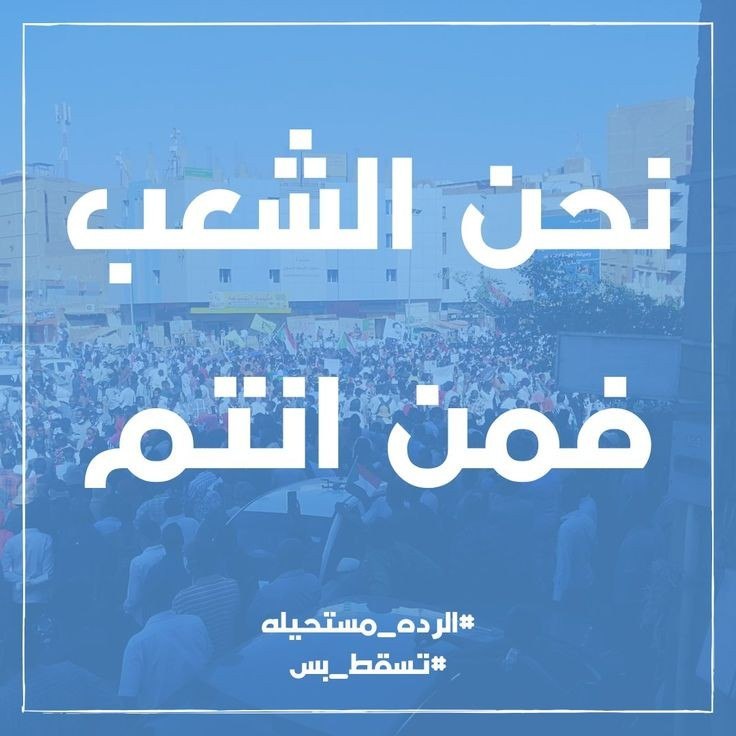
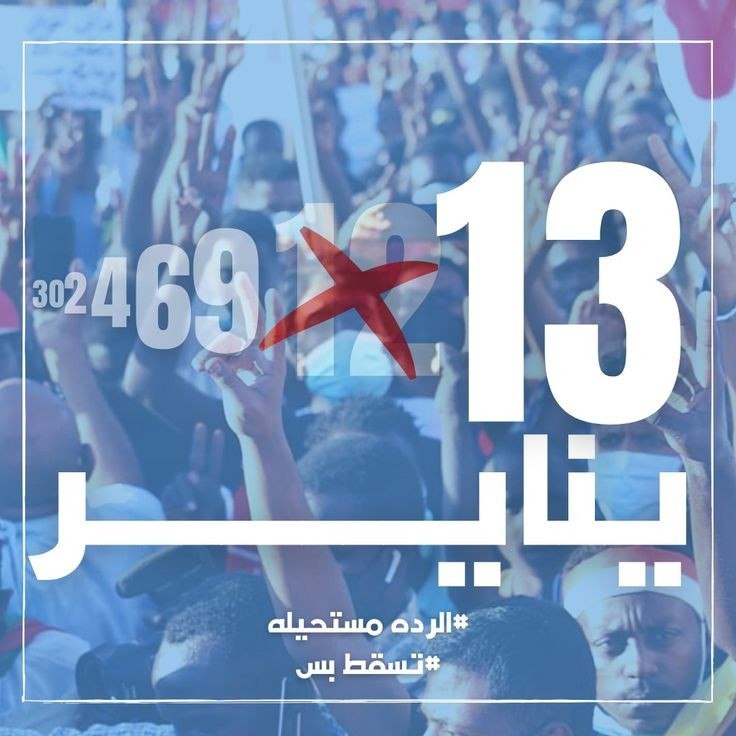
Since 1989, Omar al-Bashir has implemented the ‘Civilization Project’ which is an ideological venture aimed towards Arabization and Islamization of the country.
The regime has invested heavily in influencing the public opinion through disinformation and propaganda to stay in power.
Interestingly, the generation leading the current protests against Omar al-Bashir calling on him to resign is the product of his so-called ‘Civilization Project’.
This new generation has started questioning former truths (like the background for and the war crimes that have happened in Darfur), and are aided by their social media savviness.
The use of social media such as Facebook, Twitter and WhatsApp has evolved during the uprising despite the government’s attempts to block the use, and VPN has been used to access the ‘Minbar Chat’, a women-exclusive Facebook group to expose security forces officers who are involved in violence targeting peaceful protestors. Prior to the protests, Minbar Chat was mainly used by women to expose their husbands extra-marital affairs. Fear of potential exposure on Minbar Chat has caused NISS agents to cover their faces with masks. Videos recorded by the protestors have become very important in documenting the crimes perpetrated by the security forces during the peaceful protests, and they have become a main tool in informing the Sudanese people and the international community about the brutality of Al Bashir’s regime in a situation where there has been an almost complete blackout of information about the uprising in national TV channels and newspapers.
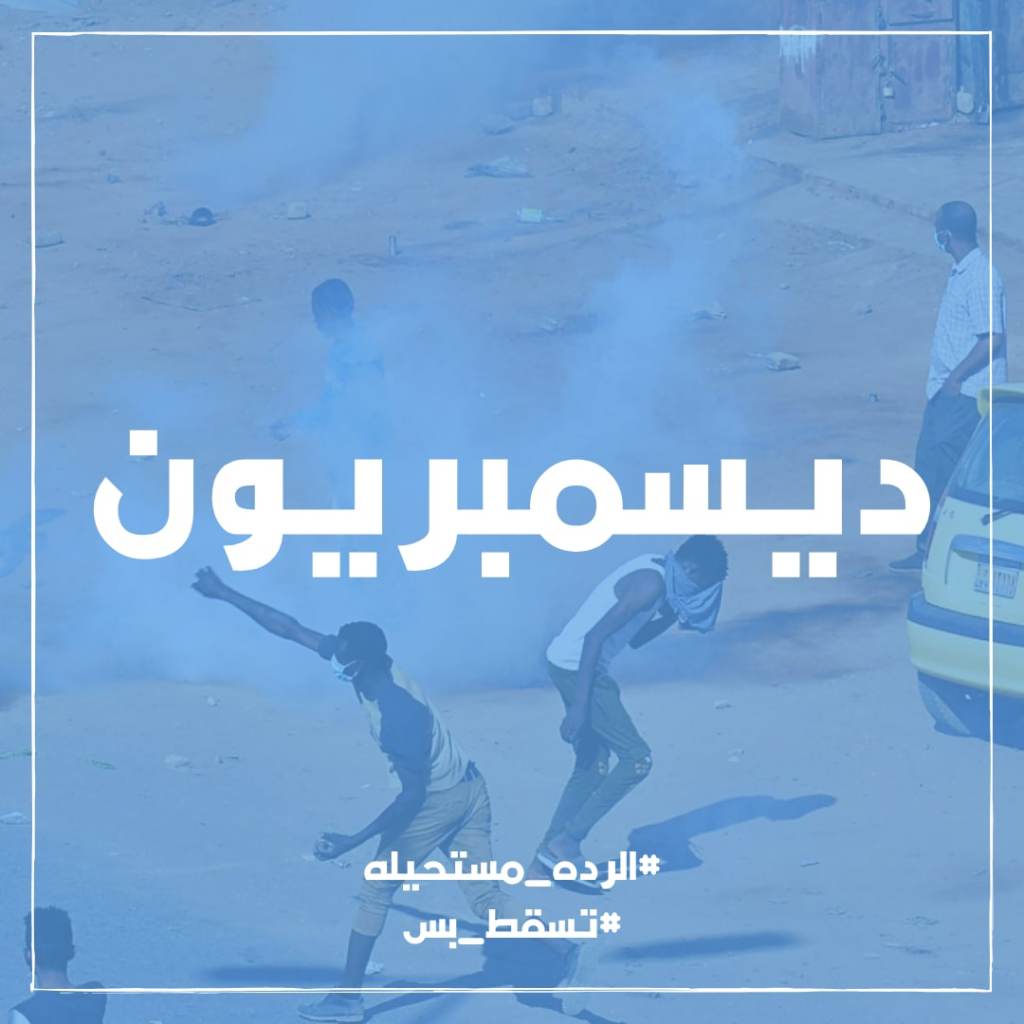
President Omar al-Bashir declared a year-long nationwide State of Emergency in an effort to stop the uprising that has now lasted for 12 weeks. The emergency state prohibits “unauthorized” gatherings and movements. The declaration of this state of emergency constitutes a genuine threat to the already bleak human rights situation in Sudan. It adds to the toil of the way the security forces already handle peaceful demonstrations in the streets and near university campuses with brutality and recklessness. Breaking a decree can give up to ten years in prison and a fine, and recently they included lashes in the punishing of female protestors. Detainees have been subjected to extreme torture, physical and psychological abuse, and are denied fair trials.
lashes after she manages to get out of his grip. “Hit me, but don’t touch me” the student named Azza cried, implicating that sexual harassment is way worse than physical abuse. Later, Azza’s mother posted on social media that her daughter’s psychological wellbeing was affected by the mortifying incident and that she might need professional psychological support to overcome the bad experience. Interestingly, this incident of sexual harassment by the NISS agent hardly caused any reactions from the religious community compared to their rage over Weam Shawgi speech on women’s rights and equality in a TV show on DW. The case of the UMST student is not an isolated incident when it comes to NISS agents targeting women in during the uprising. A similar episode was described by Ayat Magdi on her Facebook page “I won’t talk about being arrested or the physical abuse when I was peacefully protesting in Omdurman because this a small price to pay for asking for freedom in this country. But I will talk about the sexual harassment that happened to me and I hope that every girl who has experienced something like this will speak out” “The first thing happened when a security forces agent arrested me.
He grabbed hold of me by my hair and he pushed himself towards my back. At that moment, I started screaming at him and tried to get away from him. He pushed me towards another soldier for him to put me in the pick-up truck, and he grabbed my chest to the extent that my shirt was ripped open”. It should come as no surprise if many other female protesters have also encountered forms of sexual abuse that can culminate in rape in detention, but because this issue is so sensitive in Sudan, many of them will remain silent and most likely refrain from seeking medical and psychological support.
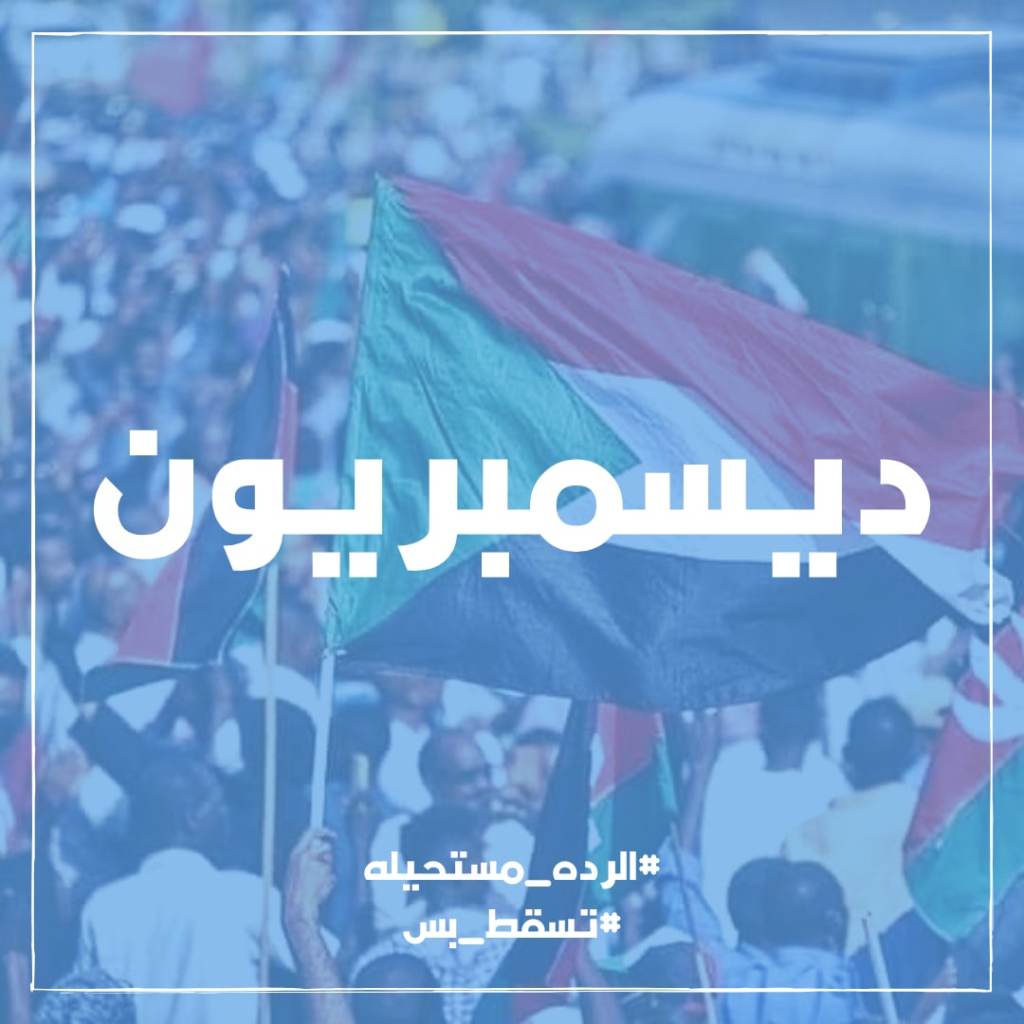
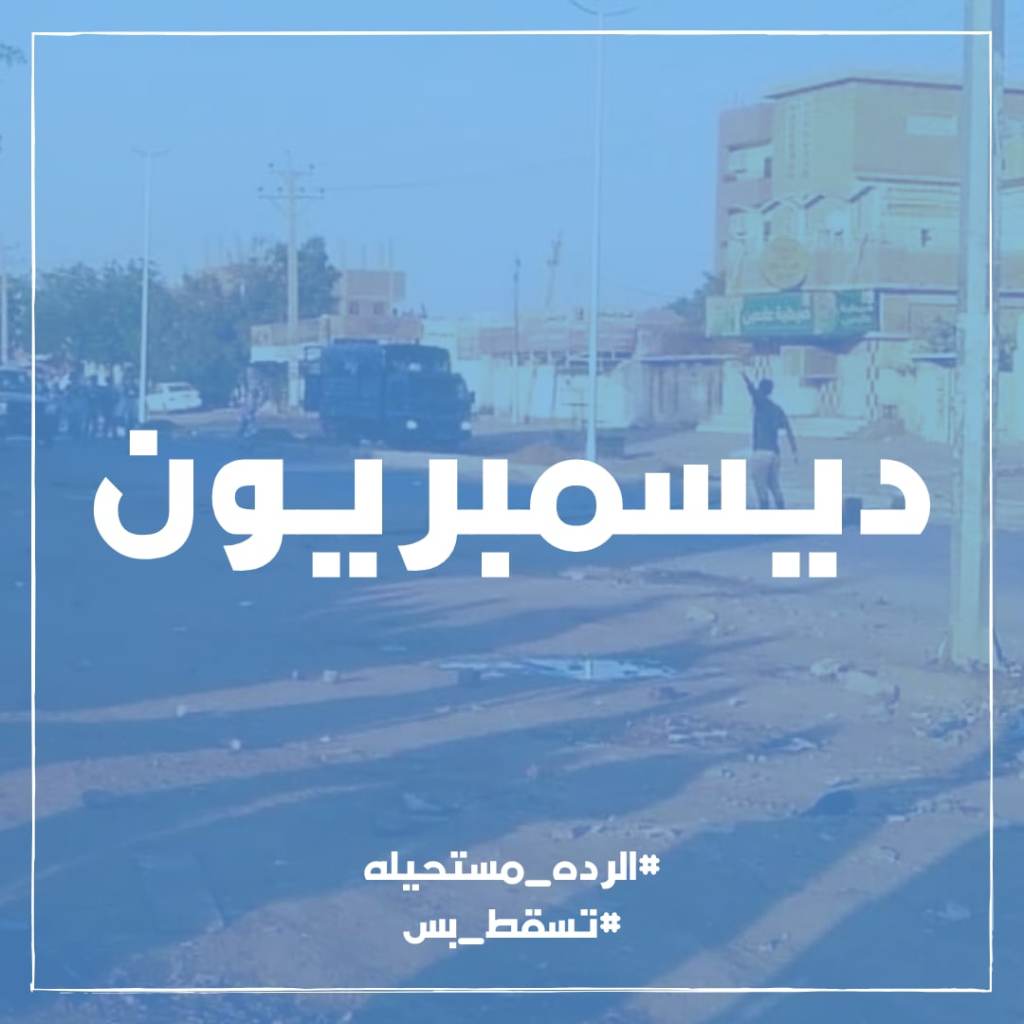
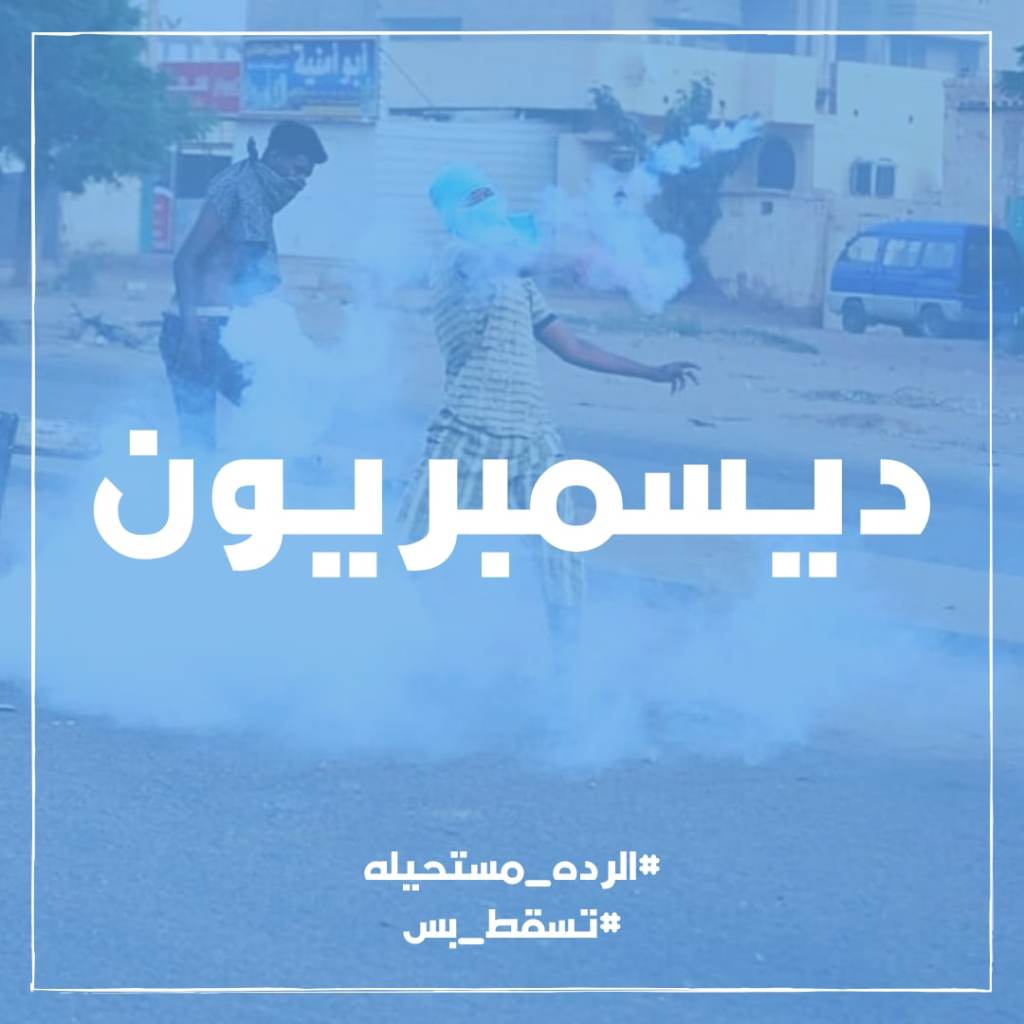
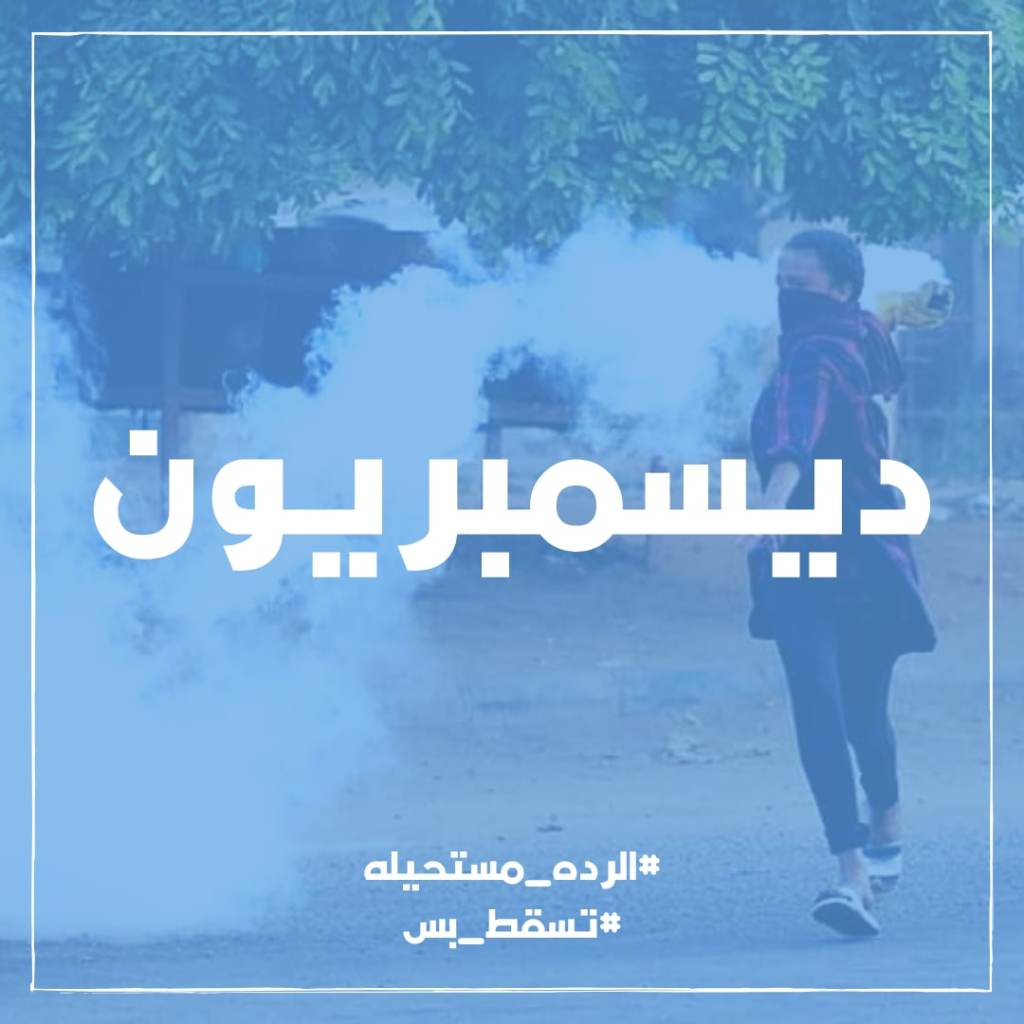
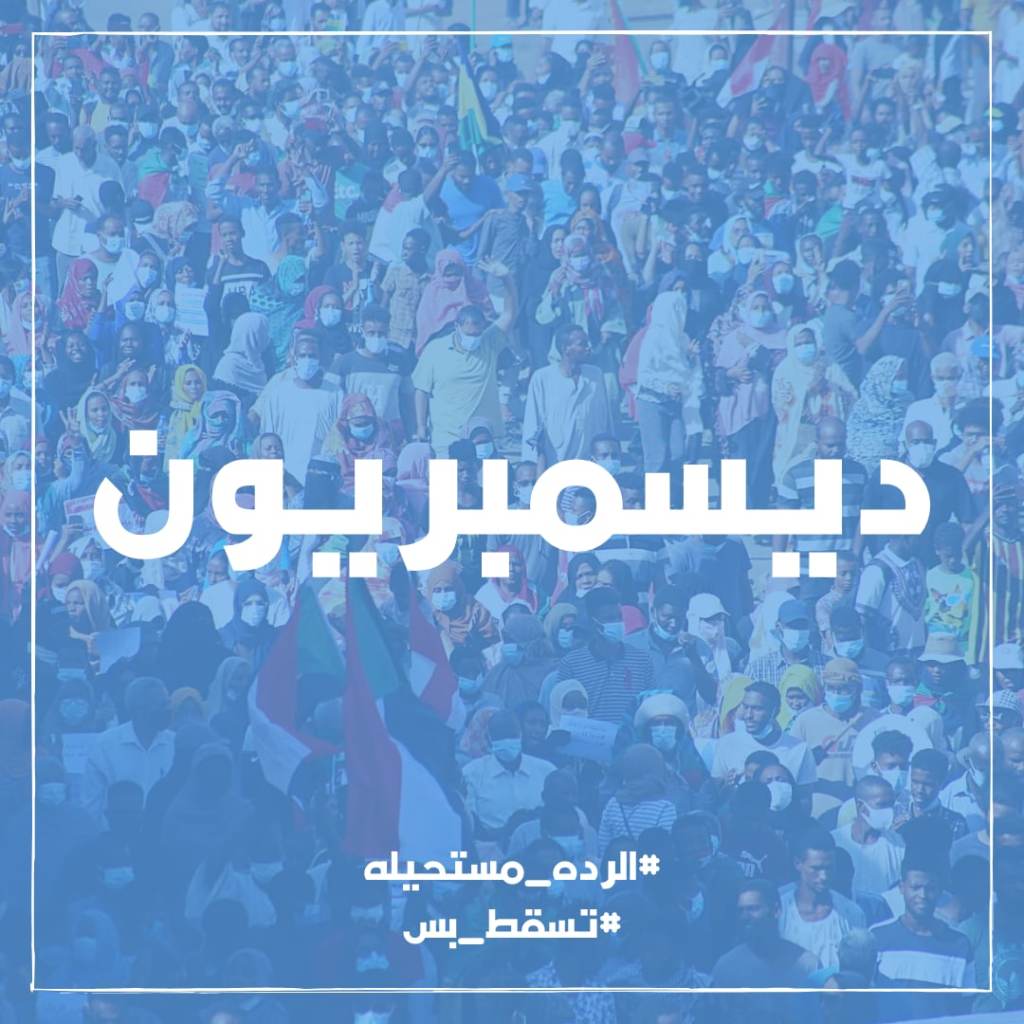
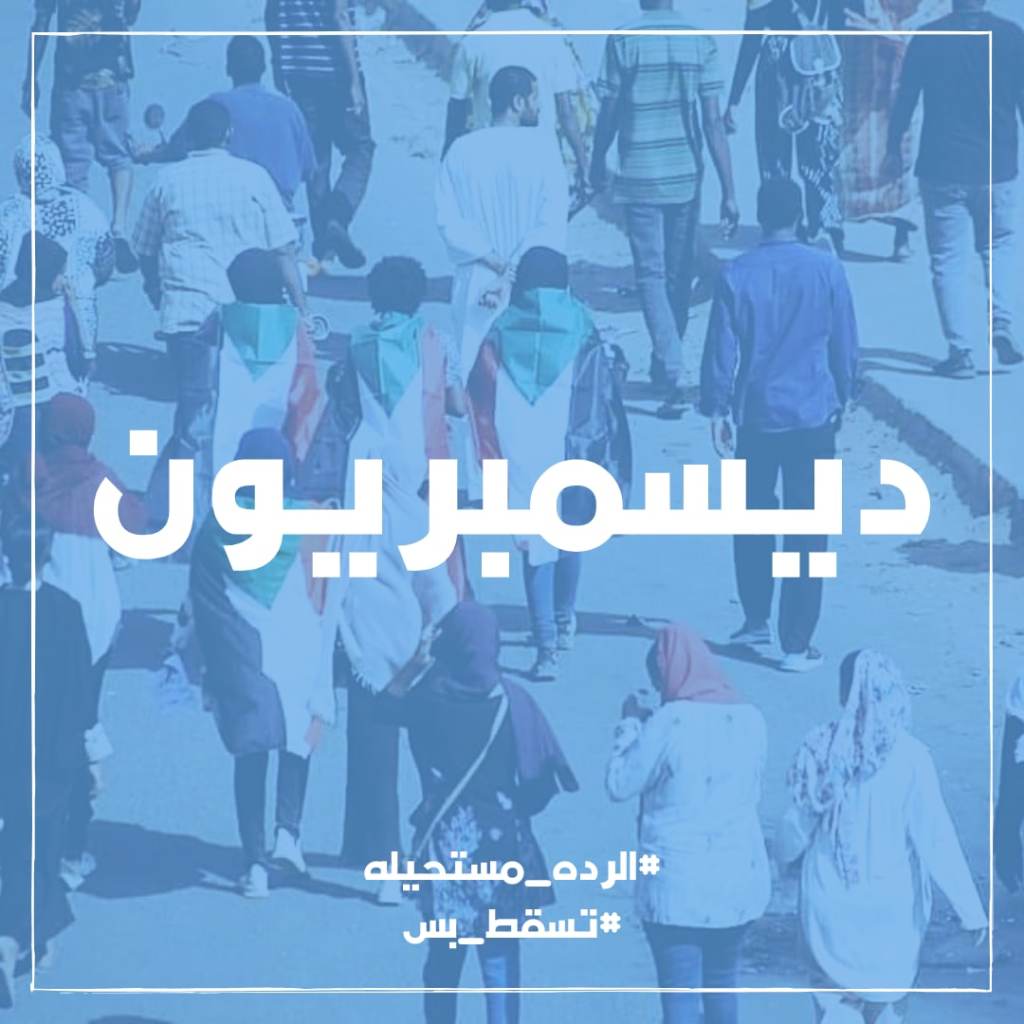
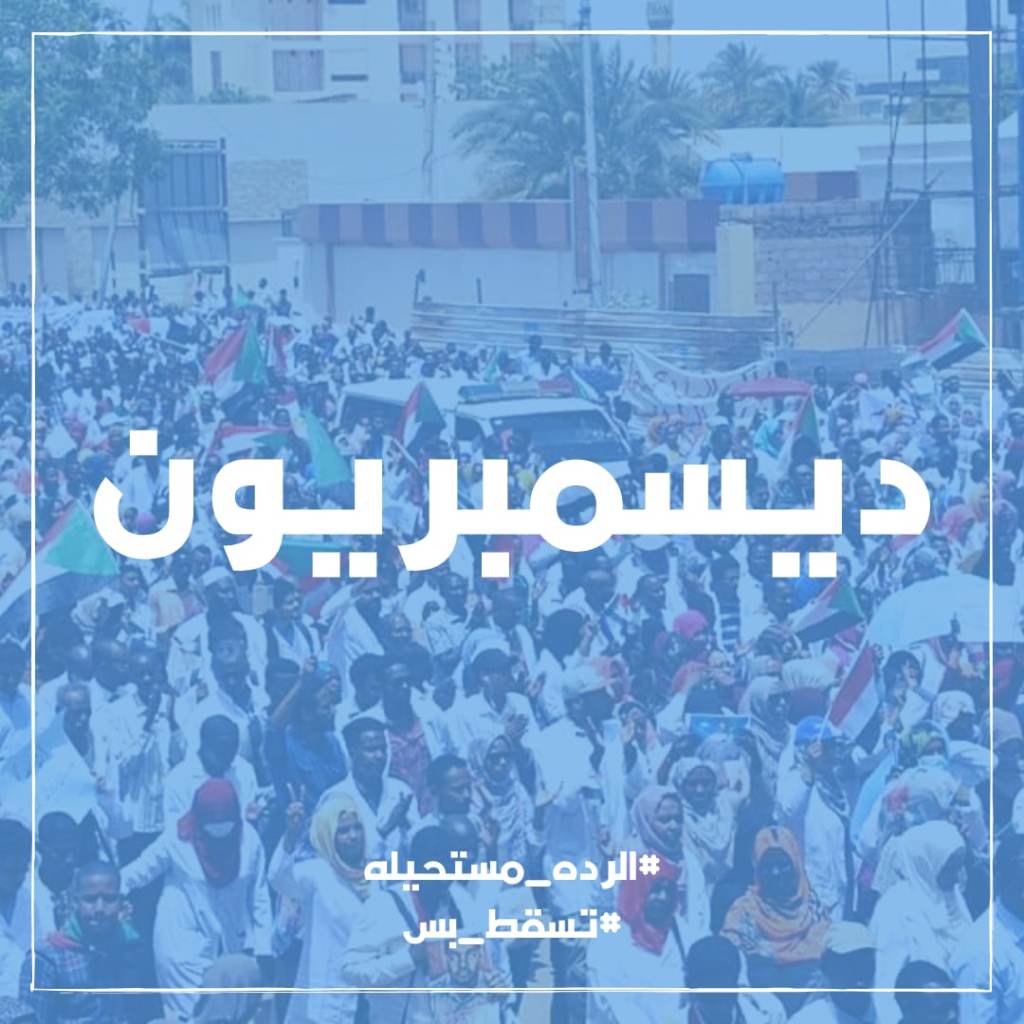
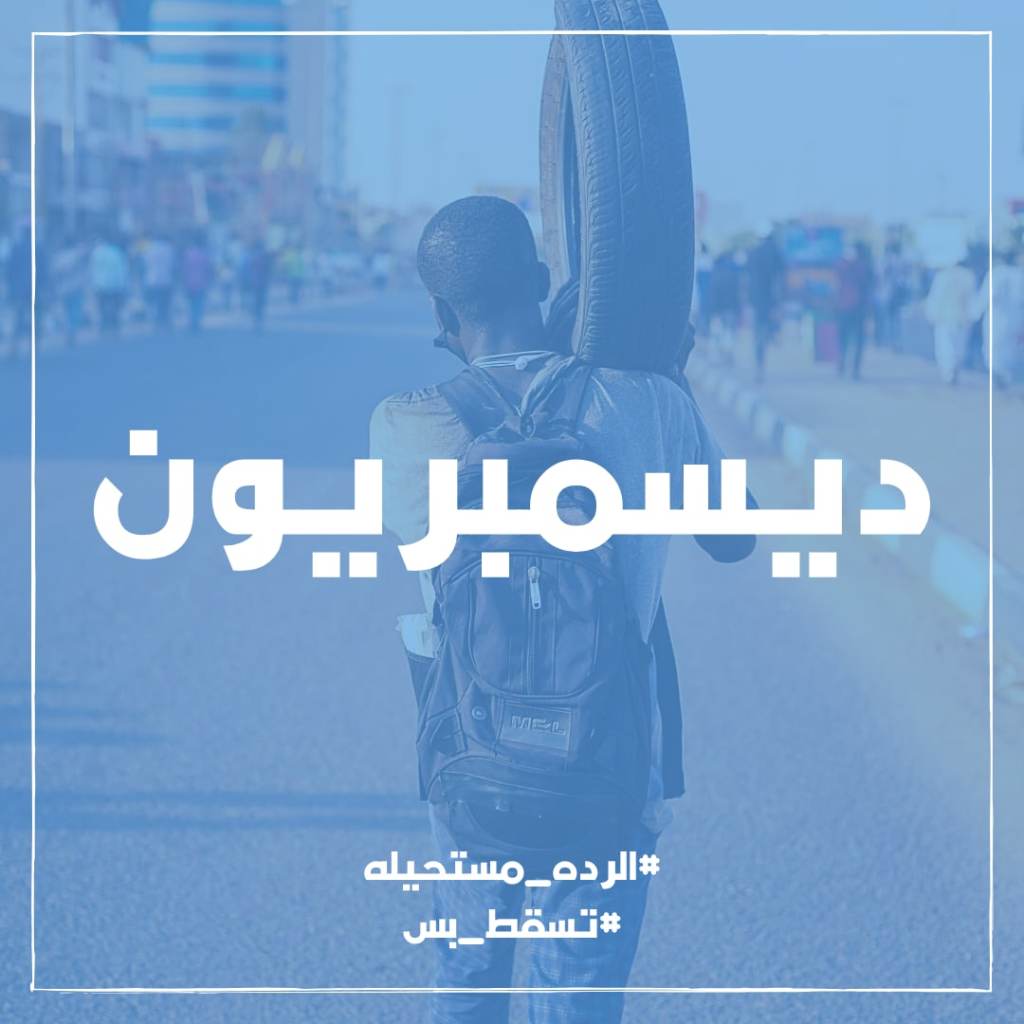
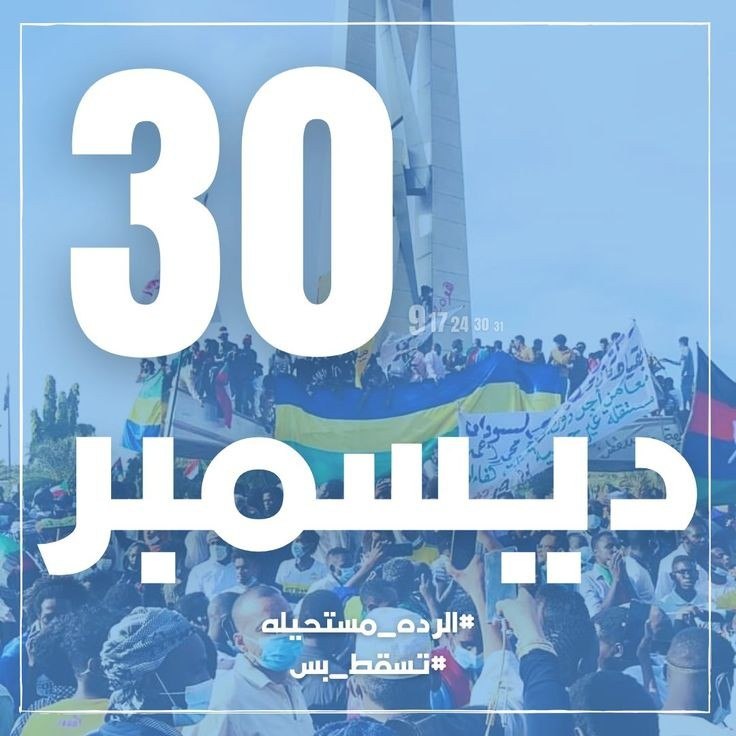
Young men and women in the Sudanese neighborhoods and the main streets are still protesting on a daily basis to express their right to a better future. They are well aware of the resilience of the regime, but it is very likely that the protests will continue until Omar al-Bashir’s regime falls.
 Emad Taha